TECH
Your Smartphone Could Soon Replace Your Driving Licence and Car Keys: Digital Identity Technology Is Changing Everyday Life
Imagine leaving home with just your smartphone and using it to verify your identity, unlock your car, access important documents and complete everyday transactions. What once sounded like science fiction is gradually becoming a reality as digital identity technology expands across smartphones, vehicles and online services.
Technology companies and governments are increasingly exploring secure digital credentials that allow people to prove who they are without carrying multiple physical cards. From digital driving licences to smartphone-based vehicle keys, these developments could make everyday tasks more convenient while changing how personal information is stored and shared.
What Is a Digital Identity Wallet?
A digital identity wallet is an application or secure digital system that stores identity credentials on a compatible device. Depending on the platform and the issuing authority, these credentials may include identity documents, driving licences, age-verification information or other official records.
Instead of presenting a physical document, a user may be able to display or electronically share an approved digital credential.
One important advantage is selective disclosure. Some digital identity systems are designed to let users prove a specific fact without revealing every detail on their identity document. For example, a service may need confirmation that someone is above a particular age without requiring access to their full date of birth.
However, not every digital wallet supports every credential, and digital copies are not automatically accepted everywhere. Official recognition depends on the issuing authority, the applicable law and the organisation requesting verification.
Can Your Smartphone Replace Your Driving Licence?
In some jurisdictions, officially issued mobile driving licences are already available. These can provide a convenient alternative to carrying a physical card, provided the licence is accepted by the relevant authorities.
India also has digital document services. DigiLocker and the mParivahan platform allow users to access certain official documents and vehicle-related records digitally.
However, there is an important distinction between an official digital document and a photograph or scan stored in a phone's gallery. A random image of a driving licence may not be accepted as valid proof, whereas an authorised digital record may be recognised under the applicable rules.
Before travelling, users should check which documents are accepted by traffic authorities and whether a particular digital credential is valid for the intended purpose. Keeping a physical backup can also be sensible when travelling to areas with limited connectivity.
Smartphone-Based Car Keys Are Becoming More Common
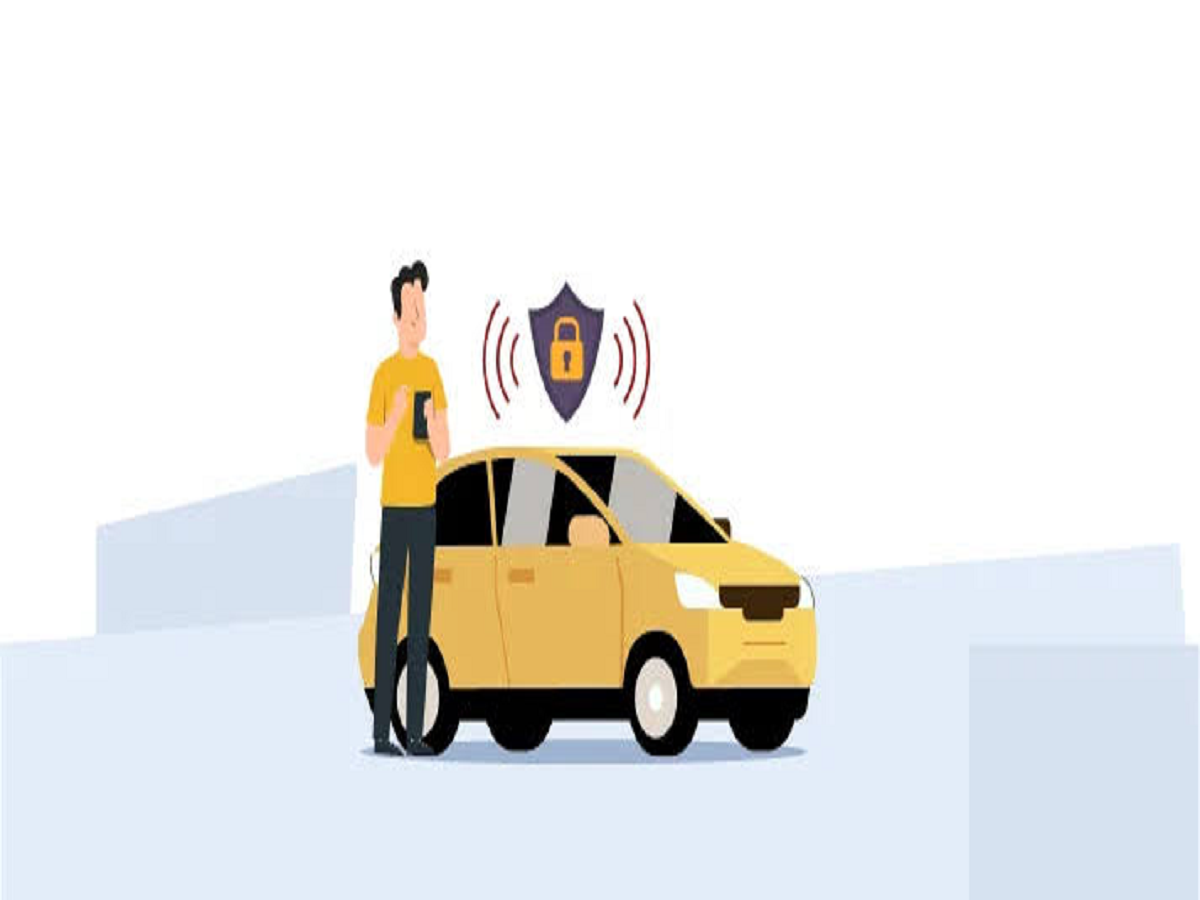
Digital car keys are another technology changing how people interact with vehicles. On compatible cars and smartphones, a digital key can allow the owner to lock, unlock or start the vehicle using the phone.
Some systems use near-field communication (NFC), while others rely on Bluetooth Low Energy or ultra-wideband technology. The exact capabilities depend on the car manufacturer, smartphone model and supported digital-key standard.
Certain systems can also allow owners to share a digital key with another person, subject to the manufacturer's restrictions.
This can be particularly useful for families that share a vehicle or for situations in which a physical key is inconvenient. However, digital car keys are not universal, and a smartphone cannot replace a traditional key in every vehicle.
What Happens If Your Phone Is Lost or Its Battery Dies?
Convenience creates a new question: what happens when the device holding your credentials is unavailable?
Modern digital identity and vehicle-key systems may include security measures such as device authentication, encrypted storage and remote account controls. Some compatible car-key implementations can also support limited operation when the phone battery is depleted, although this depends on the device and vehicle.
If a smartphone is lost, users should follow the relevant service's instructions to secure their account, disable access where possible and protect the device remotely.
For important journeys, maintaining a backup method of access is advisable. A physical driving licence or vehicle key can still be useful even when digital alternatives are available.
Is Digital Identity Safe?
Digital credentials can offer strong security, but no technology is completely risk-free.
Potential threats include stolen devices, compromised accounts, phishing attacks and unauthorised access to personal information. Poorly designed systems may also collect more information than necessary or make it difficult for users to control how their data is shared.
Users can reduce their exposure by enabling a strong screen lock, using multifactor authentication, installing software updates and avoiding suspicious links. They should also check the permissions requested by identity applications and download them only from official sources.
Governments and technology providers have a responsibility to build systems that protect personal information, support recovery when devices are lost and clearly explain how identity data is used.
What Does This Mean for India?
India already has a substantial digital infrastructure for identity verification, digital documents and electronic payments. Services such as Aadhaar-based authentication, DigiLocker and mParivahan illustrate how digital records can reduce dependence on physical paperwork in supported situations.
The next stage of digital identity could involve more interoperable credentials, stronger privacy protections and easier verification across different services.
However, widespread adoption will depend on reliable infrastructure, accessibility for people without modern smartphones, clear legal recognition and safeguards against misuse. Digital alternatives should improve convenience without excluding citizens who rely on physical documents.
The Bottom Line
Digital identity wallets and smartphone-based car keys show how the mobile phone is becoming more than a communication device. It is increasingly a gateway to documents, services and physical access.
These technologies could reduce paperwork, simplify verification and make everyday activities faster. But their benefits depend on security, privacy, official recognition and dependable backup options.
For now, the smartest approach is to use authorised digital documents where they are accepted, protect your device carefully and avoid assuming that a digital copy can replace every physical document or key.