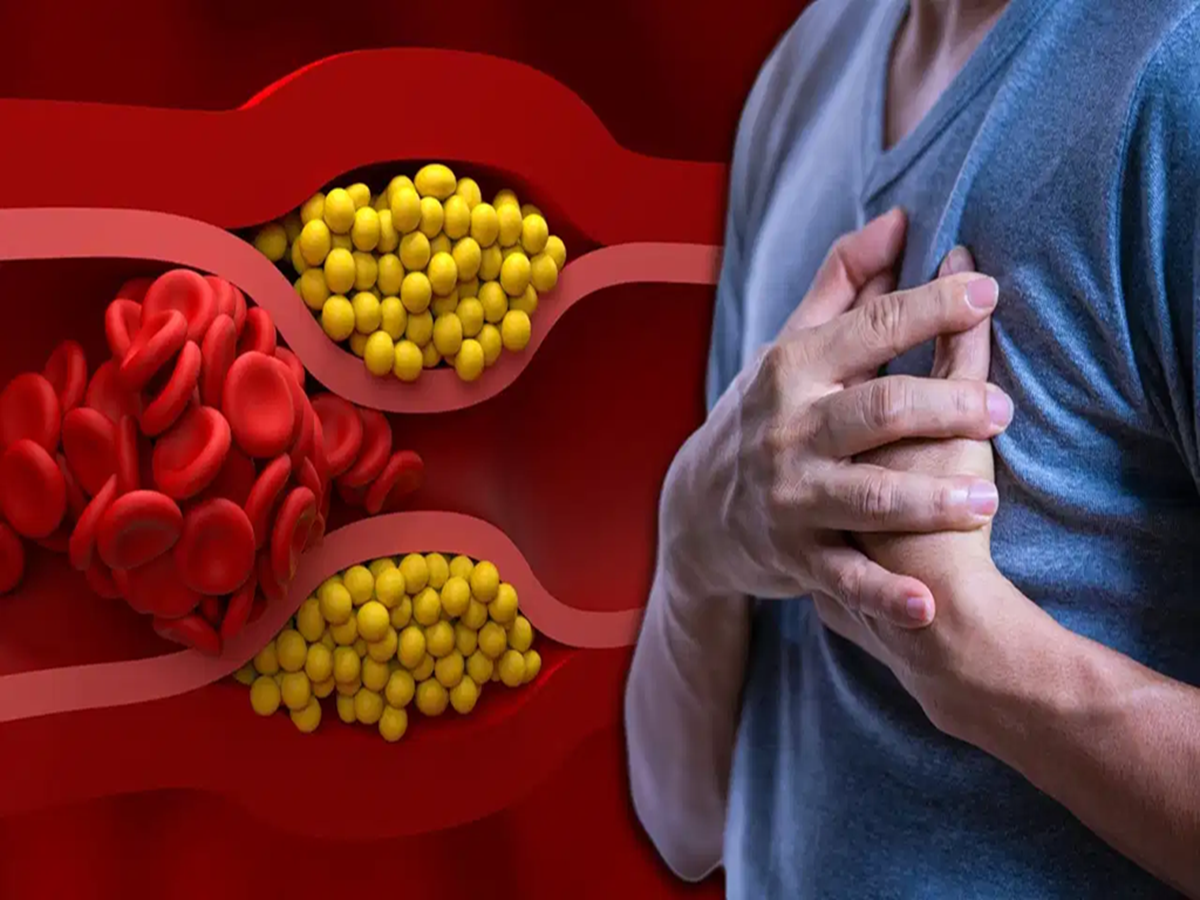
Air pollution is no longer just a respiratory problem — it is increasingly emerging as a serious threat to heart health. A major study by the National Institutes of Health (NIH) has revealed that polluted air can lead to blood clot formation in the veins of the heart, significantly increasing the risk of heart attack and other life-threatening conditions.
What does the study say?
According to the NIH research, tiny pollution particles (PM2.5) enter the body through breathing and travel into the bloodstream. Once inside the blood vessels, these particles can trigger venous thromboembolism (VTE) — a condition in which blood clots form inside veins.
These clots can:
-
Block blood flow in heart veins
-
Increase the risk of heart attack
-
Break loose and travel to the lungs, causing serious breathing problems
-
Become fatal if not treated in time
Pollution also causes swelling and inflammation in heart veins
Earlier studies had already established that PM2.5 damages the lungs and arteries. This latest research strengthens the evidence that pollution also causes:
-
Inflammation in heart veins
-
Swelling in blood vessels
-
Higher chances of stroke and cardiac arrest
The findings suggest that pollution-related heart damage goes beyond blocked arteries and includes dangerous clot formation.
What do doctors say?
Dr. Varun Bansal from the Cardiology Department at Apollo Hospital, Delhi, explains that polluted air causes continuous inflammation in heart veins, which can gradually lead to heart disease.
He points out that people with:
-
High blood pressure
-
Heart disease
-
Diabetes
-
Obesity
are at much higher risk. While blood clot formation linked to pollution has been observed more commonly in Western countries, similar cases are now being reported in India as well.
Symptoms of blood clots you should never ignore
Seek immediate medical attention if you notice:
-
Severe chest pain
-
Sudden breathing difficulty
-
Unconsciousness or fainting
-
Cold sweats
These symptoms may indicate a dangerous clot affecting the heart or lungs.
How to protect yourself from pollution-related heart risks
-
Wear a mask when stepping outdoors
-
Avoid heavily polluted areas whenever possible
-
Do not exercise outdoors during early morning or evening smog hours
-
Follow a heart-healthy diet and stay hydrated
-
People with existing health conditions should monitor their health closely
Bottom line
Air pollution is silently affecting the heart by increasing the risk of blood clots, heart attacks and lung complications. Early awareness, symptom recognition and preventive steps are crucial, especially for people already dealing with lifestyle diseases.