Ebola vs Dengue, Malaria & Viral Fever: Experts Explain the Key Symptoms You Should Never Ignore
- byPranay Jain
- 17 Jun, 2026
The recent Ebola outbreak in the Democratic Republic of Congo has prompted the World Health Organization (WHO) to declare a public health emergency. The virus, known for its high fatality rate, primarily infects animals such as fruit bats and can spread to humans through direct contact or consumption of infected animals.
Since Ebola symptoms can appear anywhere between 2 and 21 days after infection and often resemble common illnesses like dengue, malaria, and viral fever, recognizing the warning signs is crucial.
Why Is the Current Ebola Outbreak a Concern?
According to WHO, the latest outbreak involves the rare Bundibugyo strain of Ebola, for which no approved vaccine is currently available. Although no cases have been reported in India, authorities have increased surveillance at airports and advised people to avoid non-essential travel to affected regions.
Ebola, Dengue, Malaria or Viral Fever? Symptoms Can Look Almost Identical
Dr. D.K. Gupta, CMD of Felix Group of Hospitals, explains that distinguishing Ebola from dengue, malaria, or viral fever based on symptoms alone can be extremely difficult.
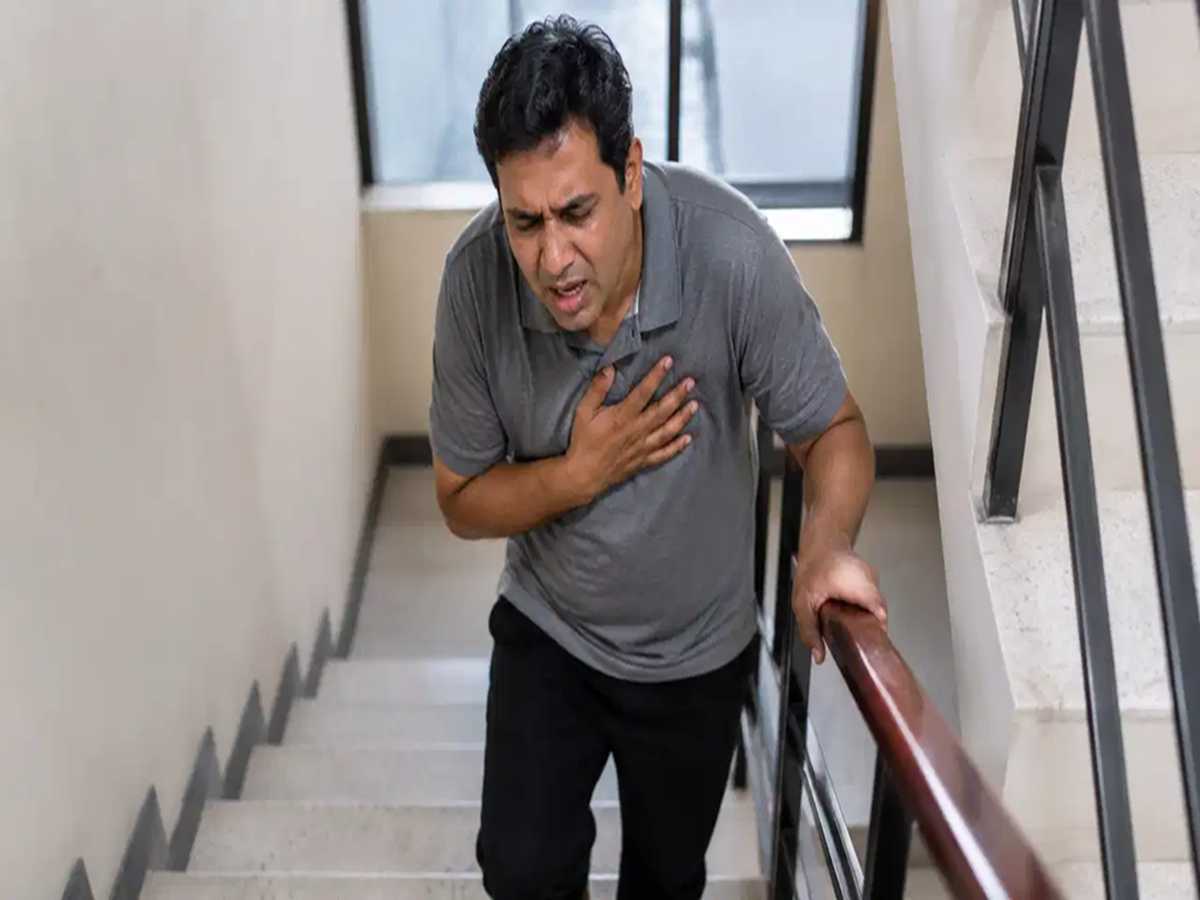
Common symptoms seen in all these illnesses include:
- High fever, often reaching 104°F
- Severe headache
- Chills and shivering
- Muscle and body pain
- Extreme fatigue and weakness
- Vomiting
- Dizziness
- Stomach pain
- Loose motions or diarrhea
In severe cases, patients may also experience neurological symptoms such as confusion, difficulty speaking, reduced awareness, or even loss of consciousness.
How Doctors Differentiate Ebola from Other Fevers
Dr. Gupta says that medical history plays a crucial role in diagnosis.
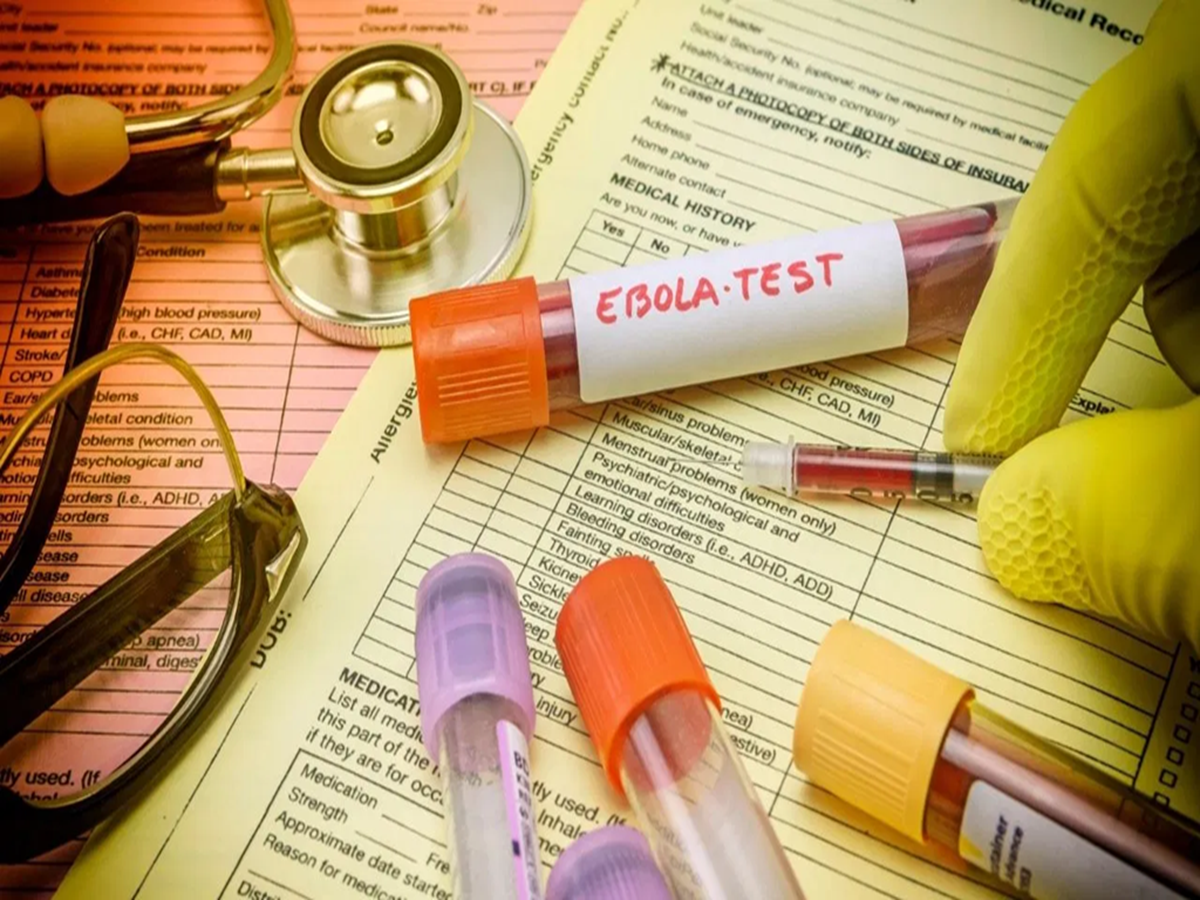
Dengue and malaria are common during the monsoon season and are frequently seen in India. When symptoms appear, doctors usually recommend immediate blood tests to confirm the cause.
However, when Ebola is suspected, doctors pay special attention to:
- Recent travel to Ebola-affected regions
- Contact with anyone diagnosed with Ebola
- Exposure to infected animals or contaminated materials
If these risk factors are present alongside symptoms, Ebola testing becomes essential.
How Does Ebola Spread?
Unlike some infectious diseases, Ebola does not spread through the air or water. Transmission occurs through direct contact with infected humans, animals, or contaminated objects.
The virus can spread through:
- Blood and body fluids of infected animals
- Consumption of infected animal meat
- Saliva, sweat, blood, vomit, or stool of an infected person
- Breast milk from an infected mother to her child
- Contaminated clothing, bedding, needles, and medical equipment
- Direct contact with the body of a person who has died from Ebola
An Important Fact About Ebola Transmission
Health experts emphasize that Ebola generally does not spread from an infected person until symptoms begin to appear. This makes early detection, isolation, and medical evaluation especially important.
Bottom Line
Because Ebola, dengue, malaria, and viral fever share many early symptoms, diagnosis cannot rely on symptoms alone. Travel history, possible exposure, and timely medical testing are the most effective ways to identify Ebola and prevent further spread.