LIFESTYLE
Is the Paneer on Your Plate Real or Artificial? Know What Analog Paneer Is, How It Is Made and Its Health Risks
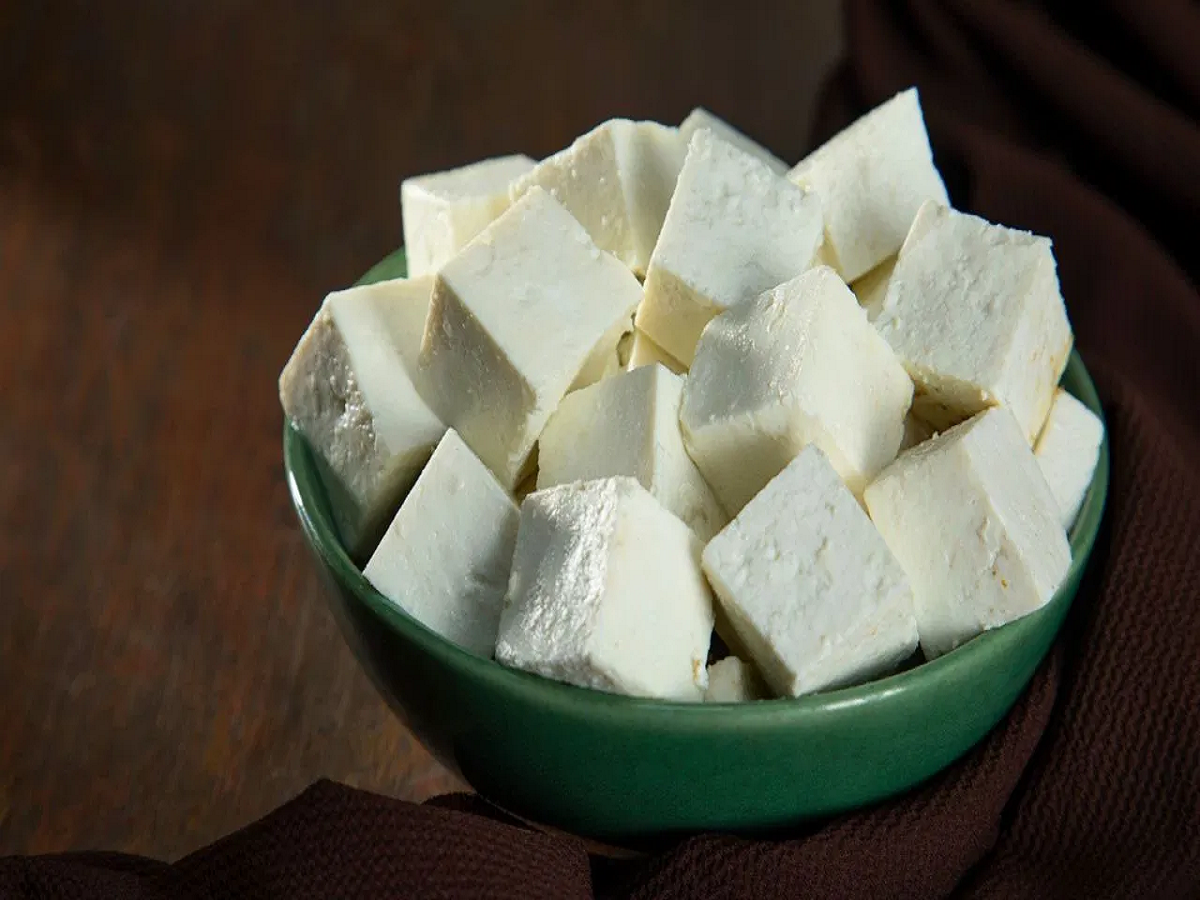
Paneer is a popular source of protein in Indian households. From paneer butter masala and chilli paneer to homemade paneer bhurji, it is a regular part of many people's diets. However, not every white, soft block sold or served as paneer is necessarily made from milk. Some food products are made using vegetable oils, starch and other ingredients and are known as analog paneer.
Analog paneer is generally cheaper to manufacture, has a longer shelf life in certain formulations and can resemble traditional paneer in appearance and texture. This makes it an attractive option for some commercial food businesses. However, its nutritional composition can be significantly different from that of milk-based paneer.
So, what exactly is analog paneer, how is it manufactured and what should consumers know before purchasing it?
What Is Analog Paneer?
Analog paneer is a paneer-like product in which milk fat or milk protein is partly or completely replaced with non-dairy ingredients.
Unlike traditional paneer, which is prepared by curdling milk using an acidic ingredient, analog paneer can be manufactured using vegetable fats, starch, water, emulsifiers and stabilisers.
Palm oil and other vegetable oils are commonly used as fat sources. Depending on the formulation, manufacturers may also add milk powder, casein or other ingredients to achieve a texture and flavour similar to conventional paneer.
The biggest difference is nutritional composition. Traditional paneer naturally contains milk protein, calcium and milk fat, whereas analog products may contain considerably less protein and more carbohydrates or vegetable fat.
What Ingredients Are Used to Make Analog Paneer?
The ingredients can vary depending on the manufacturer and the type of product. Common components include:
-
Vegetable oils: Palm oil and other vegetable fats may replace milk fat.
-
Starch: Helps provide structure, thickness and a paneer-like consistency.
-
Water: Forms an important part of the mixture.
-
Milk powder: Sometimes added to improve flavour and certain properties.
-
Emulsifiers: Help combine water and fat into a uniform mixture.
-
Stabilisers: Maintain the desired texture and consistency.
-
Acidity regulators: Help control the product's acidity and processing characteristics.
The final nutritional value depends on the exact ingredients and their proportions.
How Is Analog Paneer Manufactured?
The manufacturing process is different from traditional paneer preparation. Instead of directly curdling milk, manufacturers combine various ingredients to create a product with a similar appearance and texture.
Step 1: Preparing the mixture
Vegetable oil, water and other selected ingredients are combined to form a uniform mixture.
Step 2: Heating and mixing
The mixture is heated under controlled conditions. Starch, emulsifiers and stabilisers are incorporated to develop the required consistency.
Step 3: Adjusting the texture
Acidity regulators and other processing ingredients may be added depending on the formulation. The mixture is processed until it develops a smooth, cohesive structure.
Step 4: Moulding and cooling
The prepared mixture is transferred into moulds and cooled to achieve a firm, paneer-like block.
The finished product can then be cut, packaged and supplied to commercial kitchens or retailers.
How to Differentiate Real Paneer from Analog Paneer?
Identifying the difference can be difficult because both products may look similar. However, consumers can take a few precautions.
1. Check the ingredient list
This is one of the most reliable ways to understand what you are purchasing. Genuine milk-based paneer should primarily contain milk and an appropriate coagulating ingredient. Look for vegetable oils, starch and other non-dairy ingredients that indicate a different formulation.
2. Check the product label
Read the product name, ingredient declaration and nutritional information carefully. A product made using vegetable fats and starch should not automatically be assumed to have the same nutritional value as traditional paneer.
3. Compare nutritional information
Pay attention to protein, fat and carbohydrate content per 100 grams. Traditional paneer generally provides a substantial amount of milk protein, while some analog products may contain considerably less.
4. Be cautious when buying loose paneer
When purchasing paneer from local shops or restaurants, ask about its ingredients and whether it is made entirely from milk. Appearance and texture alone cannot establish authenticity.
Important: A popular home test involves adding iodine solution to paneer to check for starch. A blue-black colour reaction can indicate the presence of starch. However, this is not a reliable standalone test for identifying analog paneer or determining whether a product is safe. Laboratory testing and proper food labelling provide more dependable information.
What Are the Potential Health Risks of Analog Paneer?
Analog paneer is not automatically poisonous or unsafe. Its health impact depends on the ingredients, nutritional composition, quality of manufacturing and quantity consumed. However, replacing traditional paneer with a low-protein, high-fat alternative can have some nutritional disadvantages.
1. Lower Protein Intake
One of the biggest concerns is its potentially lower protein content. People who consume paneer regularly to meet their daily protein requirements may not receive the same nutritional benefits from an analog product.
This is particularly important for people who rely on paneer as a vegetarian protein source for muscle development and recovery.
2. Higher Consumption of Saturated Fat
Some analog products contain palm oil or other fats that can contribute significant amounts of saturated fat. Regularly consuming foods high in saturated fat can increase LDL cholesterol and raise cardiovascular risk over time.
3. Excess Calorie Consumption
Depending on its formulation, analog paneer may provide considerable calories from vegetable fats. Frequent consumption in large quantities can contribute to excess calorie intake and unwanted weight gain.
4. Lower Nutritional Value
Traditional paneer provides milk protein and minerals such as calcium. Depending on its formulation, analog paneer may contain lower quantities of these nutrients, making it a less nutritious replacement.
5. Digestive Discomfort
Some formulations contain starches, emulsifiers and other additives. Certain individuals may experience digestive discomfort depending on their sensitivity and the quantity consumed. However, there is insufficient evidence to claim that all analog paneer products damage the intestines or liver.
What Should Consumers Remember?
Analog paneer is not necessarily unsafe simply because it contains vegetable ingredients. The important factor is whether it is manufactured according to food safety standards and correctly labelled.
Under Indian food labelling requirements, consumers should be able to identify the nature and ingredients of the product. A product containing non-dairy ingredients should not be misleadingly sold as conventional milk-based paneer.
If you regularly consume paneer for its protein content, always check the ingredient list and nutritional information before purchasing it.
Being aware of what goes into your food can help you make better dietary choices. The next time you buy paneer, do not judge it only by its white appearance or soft texture. Check the label, understand its ingredients and make sure you are getting the nutrition you expect.