LIFESTYLE
Say Goodbye to Dull Skin! 5 Everyday Vegetables That Can Help Improve Your Skin's Natural Glow
Exposure to sunlight, pollution and changing weather conditions can leave your skin looking dull, tired and uneven. Tanning, dryness and excess oil can further affect your complexion. While skincare products are widely available, some everyday vegetables also contain nutrients and antioxidants that support healthy skin.
Vegetables such as beetroot, cucumber, tomatoes, potatoes and carrots are rich in vitamins and other beneficial compounds. Including them in your diet can support skin health, while some can also be used in simple homemade skincare preparations.
Here are five vegetables that can become a useful addition to your skincare routine.
1. Beetroot: For a Naturally Healthy-Looking Glow
Beetroot is rich in antioxidants and contains beneficial plant compounds that help protect the body against oxidative stress. It also provides nutrients that support overall skin health.
You can include beetroot in your daily diet through salads, juices or smoothies. It is also commonly used in homemade face packs.
For a simple preparation, mix a small amount of beetroot powder with yoghurt to create a smooth paste. Apply a thin layer to your face and wash it off after a few minutes if your skin tolerates it. However, beetroot may temporarily stain the skin, and its topical benefits are not well established.
2. Cucumber: For Fresh and Hydrated Skin
Cucumber is known for its high water content and cooling properties. It can help refresh the skin and provide temporary relief from the feeling of dryness or irritation.
You can apply chilled cucumber slices to your face or place them over closed eyes for a refreshing experience. Another option is to mix cucumber juice with a little sandalwood powder to prepare a simple face pack.
Cucumber slices can also help temporarily reduce puffiness around the eyes, making them a popular addition to home skincare routines.
3. Tomato: A Source of Antioxidants
Tomatoes contain vitamin C and lycopene, an antioxidant that helps protect the body against oxidative stress. Lycopene is particularly interesting for skin health because of its potential protective effects against environmental damage.
Including tomatoes in your regular diet is an easy way to benefit from their nutritional properties.
Some people also use tomato pulp in homemade face packs. However, tomatoes contain natural acids that may irritate sensitive skin. If you decide to try them topically, perform a patch test first and discontinue use if you experience burning or redness.
Remember that tomato application is not a proven treatment for tanning, pigmentation or acne.
4. Potato: A Popular Home Skincare Ingredient
Potatoes are commonly used in traditional home remedies for dull-looking skin and dark spots. Their juice is often applied using cotton, while thin potato slices are placed on areas of the face.
Another popular preparation involves mixing potato juice with rice flour and aloe vera gel to create a homemade face pack.
However, there is limited scientific evidence that applying potato juice can remove tanning or pigmentation. If you have sensitive skin, avoid experimenting with acidic or abrasive homemade preparations.
5. Carrot: Rich in Skin-Friendly Nutrients
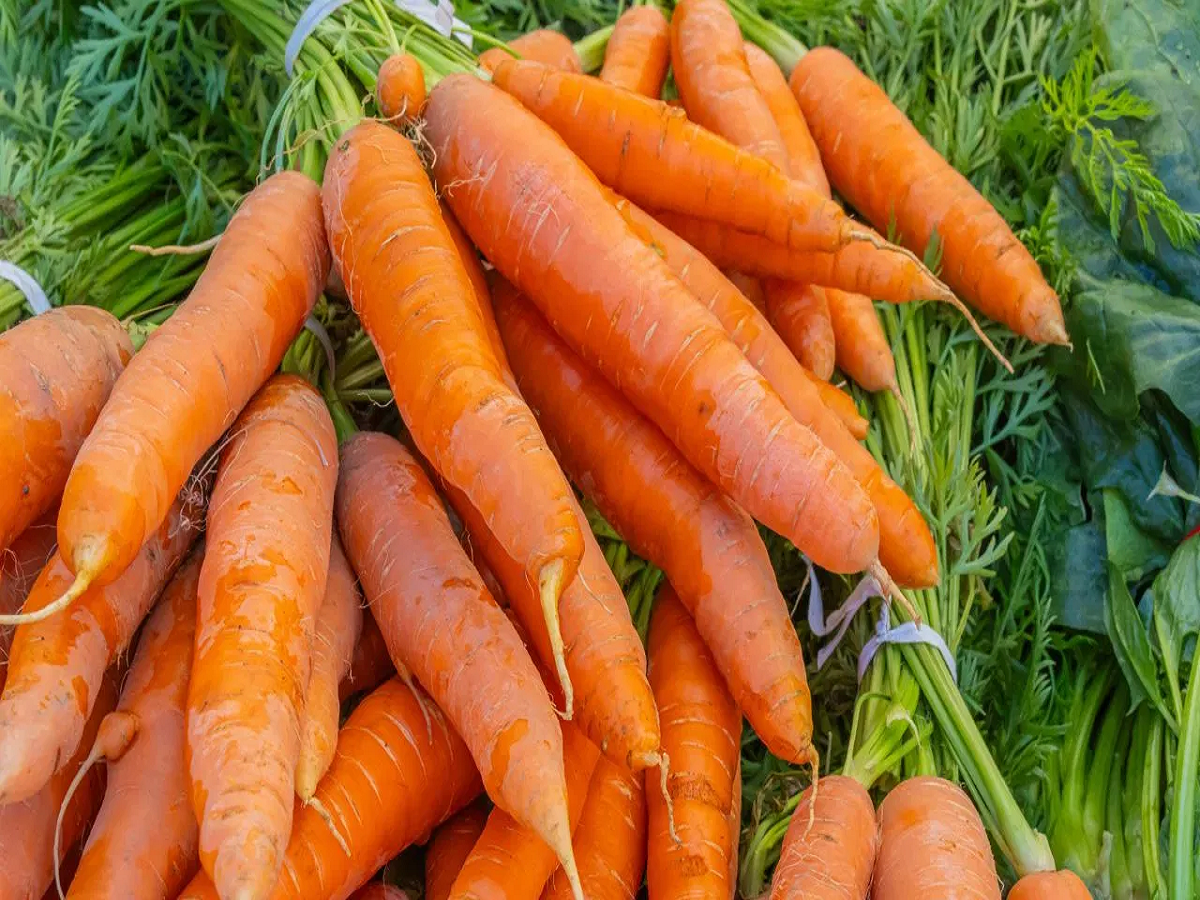
Carrots are an excellent source of beta-carotene, which the body converts into vitamin A. Vitamin A plays an important role in maintaining normal skin health and supporting cell growth.
Eating carrots regularly can help provide essential nutrients as part of a balanced diet.
You can also prepare a simple carrot-based face pack by steaming a carrot, mashing it and mixing it with a little yoghurt. Apply it to your face for a short period and rinse gently. Always test the mixture on a small area of skin before applying it more widely.
Additional Tips to Keep Your Skin Healthy and Glowing
While vegetables can contribute to healthy skin through their nutritional benefits, they cannot independently remove tanning or reverse pigmentation. A consistent skincare routine is equally important.
-
Use sunscreen daily: Apply a broad-spectrum SPF 30 or higher sunscreen to protect your skin from harmful UV rays.
-
Stay hydrated: Drink sufficient water throughout the day to maintain normal hydration.
-
Eat a balanced diet: Include vegetables, fruits, nuts and protein-rich foods in your meals.
-
Follow a moisturising routine: Use a suitable moisturiser to maintain your skin's protective barrier.
-
Avoid harsh home remedies: Lemon juice, strong scrubs and irritating ingredients can damage the skin and worsen pigmentation.
Healthy-looking skin is the result of consistent care, proper nutrition and sun protection. Adding beetroot, cucumber, tomatoes, potatoes and carrots to your diet can support overall health, while a gentle skincare routine can help maintain your skin's natural appearance.