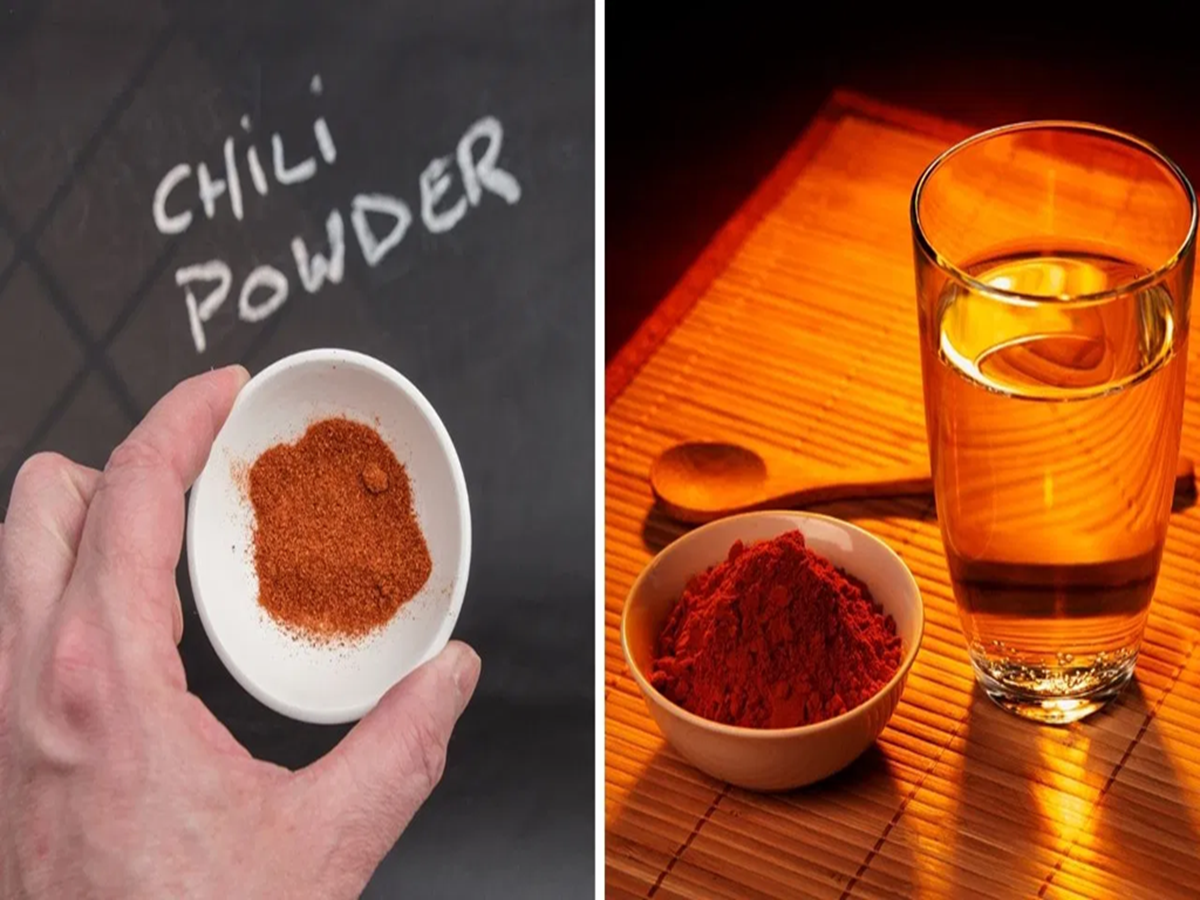
Red chili powder is a staple ingredient in most kitchens, adding color, flavor, and heat to everyday meals. However, reports of food adulteration have raised concerns about the quality of spices available in the market. To increase weight and improve appearance, some manufacturers may mix red chili powder with unwanted substances such as brick dust, sand, starch, sawdust, bran, or artificial colors.
The good news is that you can perform a few simple checks at home to identify possible adulteration in your chili powder.
1. The Water Test
One of the easiest ways to check chili powder is by using a glass of water.
How to do it:
-
Fill a transparent glass with water.
-
Add one teaspoon of red chili powder.
-
Let it sit undisturbed for a few minutes.
What to look for:
-
If the water quickly turns an intense red color, it may indicate the presence of artificial dyes.
-
If heavy particles settle at the bottom, they could be impurities such as sand or brick dust.
-
Examine any residue after filtering the mixture for signs of grit or unusual particles.
2. Rub It on Your Palm
This quick test can help identify artificial coloring agents.
How to do it:
-
Place a small pinch of chili powder on your palm.
-
Rub it gently with your fingers.
What to look for:
-
If it leaves a deep, bright red stain on your skin, artificial colors may be present.
-
Pure chili powder generally leaves a lighter, more natural tint.
3. The Lemon Test
Certain adulterants can react when exposed to acidic substances.
How to do it:
-
Place a small amount of chili powder in a bowl.
-
Add a few drops of lemon juice and a little water.
What to look for:
-
Excessive bubbling or fizzing may indicate the presence of substances such as washing soda or soap powder.
-
Noticeable color changes can also suggest artificial dyes.
4. Check the Taste and Texture
Your senses can often reveal a lot about food quality.
What to notice:
-
Pure chili powder has a strong aroma and a naturally pungent taste.
-
If the spice feels gritty between your teeth, it may contain sand or other unwanted materials.
-
A weak aroma or unusually mild heat could indicate dilution with fillers.
Common Adulterants Found in Chili Powder
Some substances reportedly used to adulterate chili powder include:
-
Brick dust
-
Sand
-
Sawdust
-
Bran
-
Starch
-
Soap powder
-
Artificial dyes and coloring agents
These additives can reduce product quality and may pose health risks if consumed regularly.
Buy Smart, Stay Safe
While these home tests can help identify suspicious products, they are not definitive laboratory analyses. To reduce the risk of adulteration:
-
Purchase spices from trusted brands and reputable sellers.
-
Check packaging and quality certifications.
-
Store spices properly to maintain freshness and quality.
A few simple checks can help you make safer choices and ensure that the spices in your kitchen are as pure as they should be.