BUSINESS
Paramount's Mega Media Deal Faces Legal Roadblock, Billion-Dollar Delay Could Shake Streaming Plans
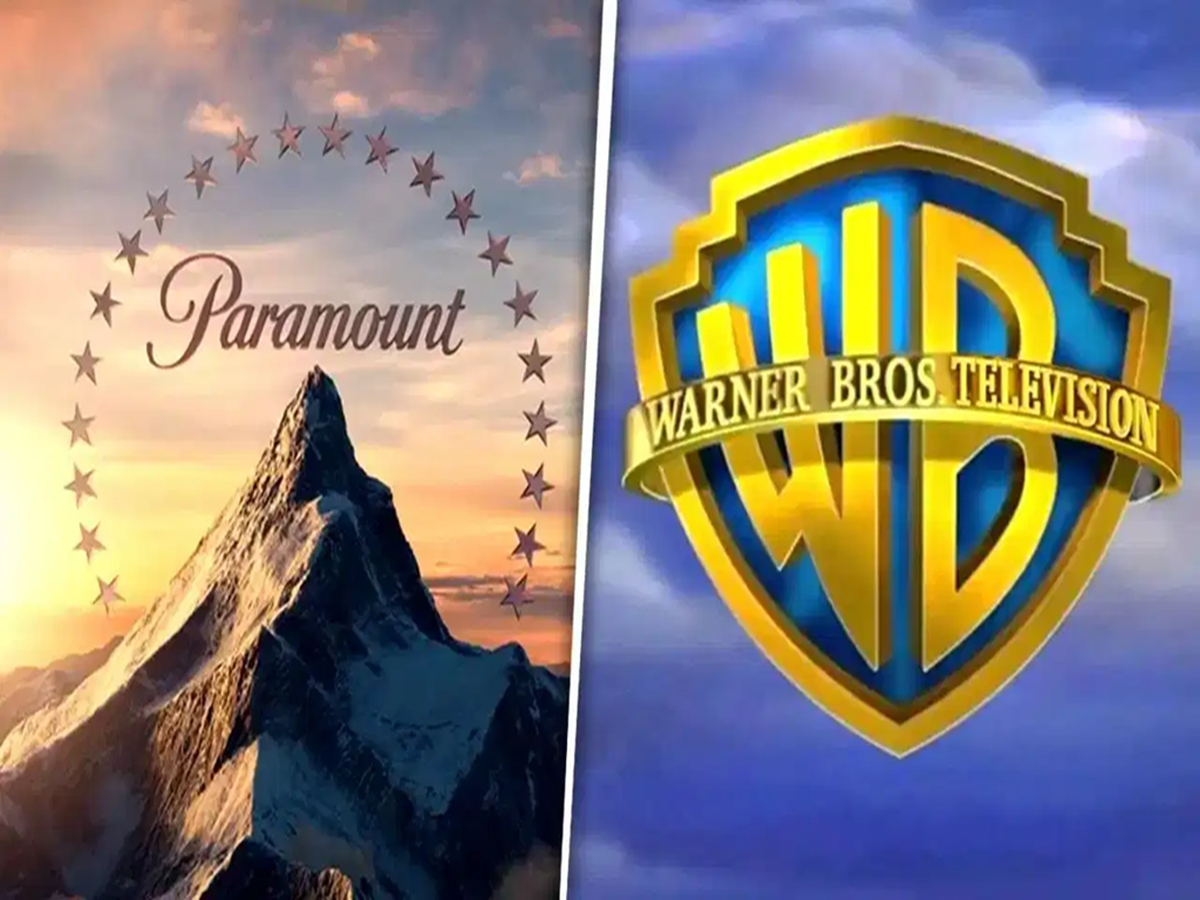
A proposed mega merger involving American entertainment giant Paramount has hit a major obstacle after legal challenges in the United States forced the company to pause its planned deal with Warner Bros. Discovery. The development has created uncertainty around one of the biggest transactions in the media industry and could delay Paramount's ambitions to strengthen its position in the global streaming market.
The acquisition will now remain on hold until the courts decide whether the merger can proceed.
Court Battle Puts Deal on Hold
Under the revised agreement, the companies have agreed to wait for a judicial ruling before moving ahead with the transaction. While the updated timeline slightly shortens the legal process, the final decision could still take several months.
If the case extends into next year, the prolonged delay may significantly increase the overall cost of the deal.
Delay Could Lead to Massive Financial Burden
One of the biggest concerns for Paramount is the financial impact of the postponement.
According to the agreement, if the transaction is not completed by the specified deadline, the company could be required to pay $7 million per day to Warner Bros. Discovery shareholders. If the legal dispute continues for several more months, the cumulative cost could reach around $1.7 billion, adding substantial financial pressure to the proposed merger.
Despite the legal setback, Paramount has expressed confidence in its position and says it intends to defend the transaction in court.
Why Are US States Challenging the Merger?
The merger has drawn opposition from a group of US states, which argue that combining two major entertainment companies could reduce competition in the media industry.
According to the legal challenge, the proposed merger may create an entertainment company with significant influence over television, film, and streaming services. Critics fear that such market concentration could lead to higher prices for consumers and fewer choices in the entertainment sector.
The lawsuit seeks to prevent the transaction from moving forward until the court completes its review.
Concerns Over Market Competition
Competition regulators and state officials believe the merger deserves careful scrutiny because of its potential impact on the media landscape.
If approved, the combined company would own an extensive portfolio of film studios, television networks, and streaming assets, giving it a stronger position in negotiations with advertisers, distributors, and consumers.
Supporters of the legal challenge argue that preserving competition is essential for protecting consumer interests and encouraging innovation.
Streaming Expansion Plans Face Uncertainty
The proposed merger was widely viewed as part of Paramount's broader strategy to strengthen its position in the rapidly evolving streaming industry.
By combining resources and content libraries, the company aimed to become a stronger competitor in a market currently dominated by global streaming platforms. However, the ongoing legal battle has cast doubt over those expansion plans, with the final outcome now depending on the court's decision.
Decision May Take Several Months
Large corporate merger cases often require lengthy legal review before a verdict is reached.
With proceedings expected to continue for an extended period, the entertainment industry will be closely watching the outcome, as the ruling could influence future mergers involving major media companies.
The Bottom Line
The proposed Paramount-Warner Bros. Discovery merger has entered a critical phase as legal challenges delay one of the entertainment industry's biggest deals. While Paramount remains confident that the transaction will ultimately receive approval, the ongoing court battle could result in significant financial costs and postpone the company's plans to strengthen its presence in the highly competitive streaming market. The final decision is likely to shape not only the future of the merger but also the competitive landscape of the global media industry.