INTERNATIONAL
Trump Signs Major White House Order After Midterm Election Defeat! Oval Office and Cabinet Room Get National Monument Status
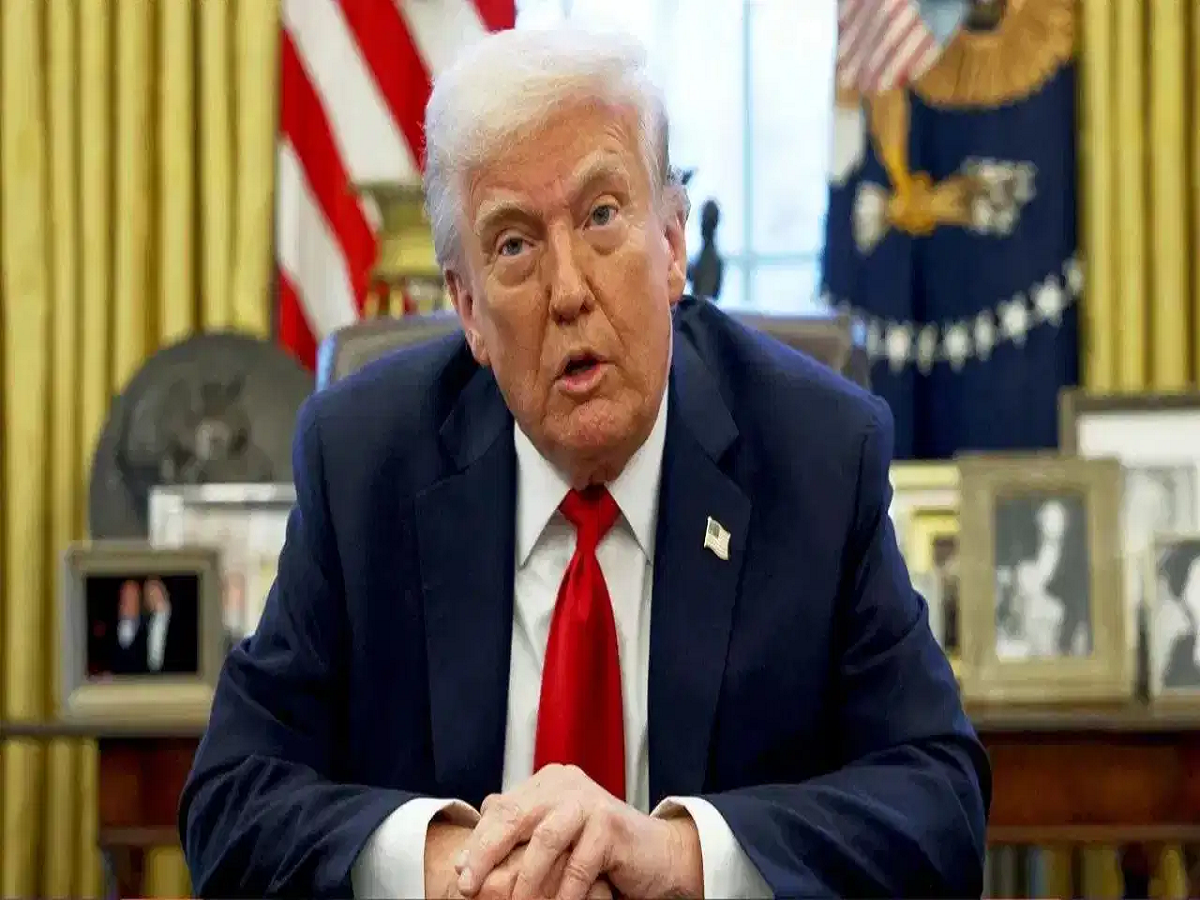
US President Donald Trump has made an unusual decision following the Republican Party's setback in the midterm elections. In his first official move after the election defeat, Trump signed an executive order designating the White House's Oval Office and Cabinet Room as national monuments.
The decision aims to protect the historical identity and original architectural structure of these two important rooms from major demolition or permanent alterations in the future.
Trump said the Oval Office represents America's identity and should be preserved for generations. However, the order does not completely restrict future presidents from making changes to the rooms. They can still modify the furniture, decorations and other interior elements.
What Does Trump's New Executive Order Say?
Under the new order, the Oval Office and Cabinet Room will receive special protection against major structural modifications.
Trump has argued that these rooms are important symbols of American history and presidential leadership. According to him, nobody should be allowed to demolish their original walls or make significant structural changes without proper consideration.
The order allows future presidents to change furniture, update decorations and introduce modifications required for security and daily administration.
However, any proposed changes that could significantly affect the original structure or historical identity of the rooms must undergo an evaluation, with alternative options considered.
The Secretary of the Interior will oversee the preservation arrangements.
Interestingly, the order does not permanently prevent a future president from reversing the decision. A subsequent administration could rescind the designation, just as Trump himself has previously reversed certain national monument decisions made by earlier administrations.
Trump Also Talks About His Changes to the White House
Trump has repeatedly discussed construction and renovation work taking place at the White House.
On Wednesday, he signed the final structural beam being installed as part of the proposed grand ballroom project. Earlier in the week, he also visited the Lincoln Memorial Reflecting Pool and discussed ongoing improvement work.
Trump has introduced several decorative changes to the Oval Office during his presidency. These include additional portraits, gold-coloured decorations and a copy of the American Declaration of Independence.
The Cabinet Room has also received changes, including the installation of new chandeliers.
Trump has defended these modifications, saying that improvements should be made while preserving the historical importance of the White House.
Why Is Trump's Ballroom Project Facing Questions?
Apart from the new preservation order, Trump's White House renovation plans have also attracted political attention.
Democratic lawmakers are preparing to examine the administration's construction activities, particularly the proposed ballroom project.
Senator Richard Blumenthal has reportedly sought information from donors associated with the ballroom project. He has indicated that further steps could be taken if the requested information is not provided.
Several legal challenges have also raised questions about whether certain construction activities received the necessary approvals.
The controversy has increased scrutiny of how major changes to the White House are being planned and funded.
Can a Future President Change the Oval Office Again?
Despite Trump's announcement, the new order does not give the Oval Office permanent protection against every possible change.
A future president can still replace furniture, modify the interior design and introduce new decorative elements.
However, significant structural changes that could damage the building's original character would require additional evaluation under the order.
Trump has also made it clear that he strongly opposes the demolition or alteration of the Oval Office's original walls.
His decision highlights the political and historical importance of the White House, while also raising questions about how much authority a president should have over changes to one of America's most recognisable buildings.