LIFESTYLE
Winter alert for parents: These symptoms in newborns indicate infection, do not ignore them

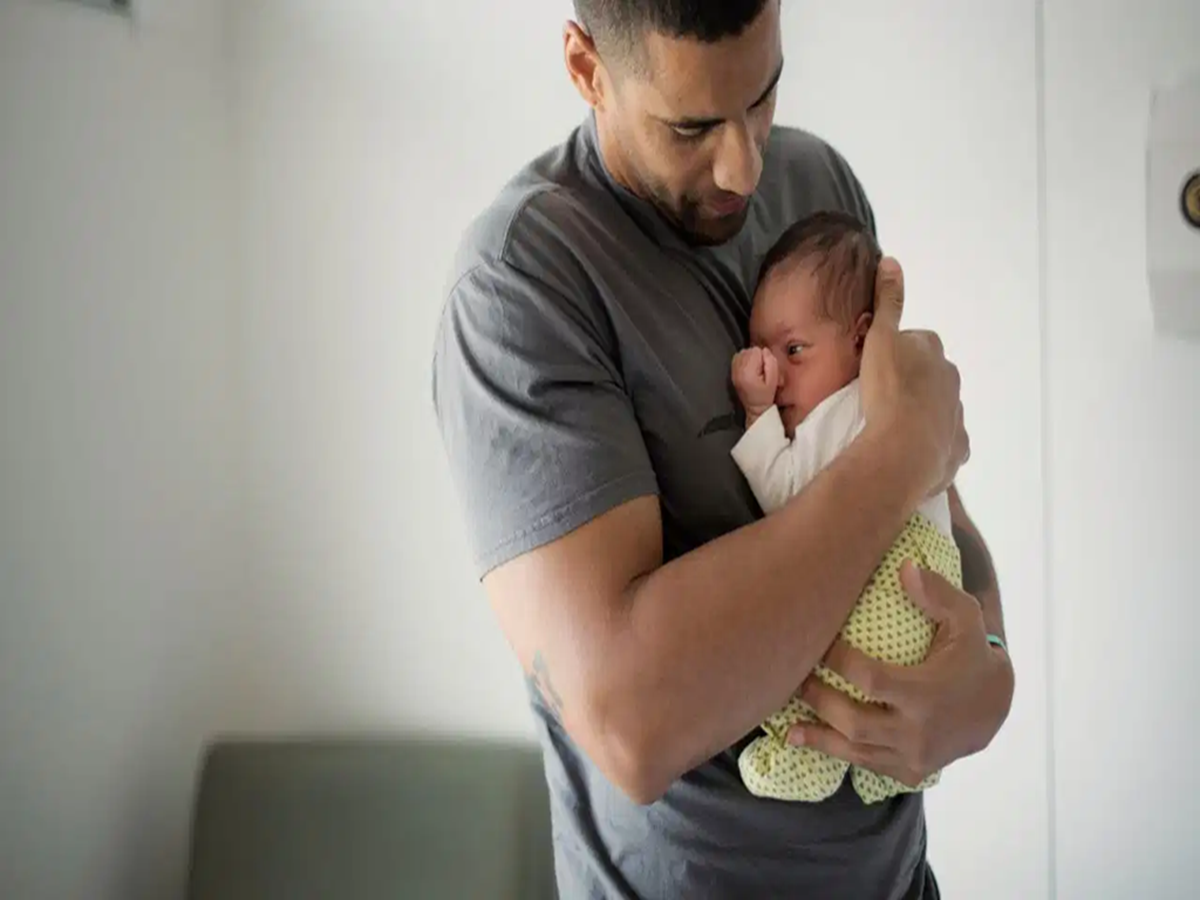
Newborn babies need extra care, especially during the first month after birth. During this period, even a minor infection can spread quickly and become serious. In winters, the risk increases further, as symptoms are often mistaken for common cold or seasonal discomfort. Many times, parents either fail to notice the early signs or ignore them, which can prove dangerous for the baby.
Doctors warn that parents should stay alert and immediately consult a doctor if certain symptoms appear in newborns.
Signs of infection in newborn babies
According to Dr Vipinchandra Upadhyay, Head of the Pediatric Department at the District Hospital in Ghaziabad, newborns are extremely sensitive and even small health issues should not be taken lightly.
One of the most important warning signs is fever. If a newborn’s body temperature rises above 100 degrees Fahrenheit, it should not be ignored. Parents can notice fever if the baby’s hands, feet, head, or stomach feel unusually warm. The correct way to check is by placing a thermometer under the baby’s armpit. If the reading is above 100 degrees, immediate medical advice is necessary.
Refusal to drink milk
If a newborn suddenly stops breastfeeding or feeding properly, it is a serious sign. Babies usually feed every few hours. While they may skip feeds during deep sleep, they should feed normally when awake. If the baby appears unusually weak, lethargic, or refuses milk, it may indicate an infection. Constant or excessive crying is also a warning sign that should not be ignored.
Vomiting and diarrhea
Frequent vomiting or loose motions in a newborn can also be signs of infection. These symptoms can quickly lead to dehydration and require immediate medical attention.
Why newborns get infections
Newborn infections can occur due to several reasons, including:
– Exposure to bacteria or viruses
– Touching the baby with unclean hands
– Weak immunity of the newborn
– Premature birth
How to protect newborns from infection
To reduce the risk of infection, parents should take a few essential precautions:
– Avoid allowing too many people to touch the newborn
– Always wash hands before touching the baby
– Use clean clothes, blankets, and bedding
– Ensure vaccinations are given on time