INTERNATIONAL
A New Middle East Order? Why the US is Pushing Saudi Arabia, Qatar, and Pakistan to Join the Abraham Accords
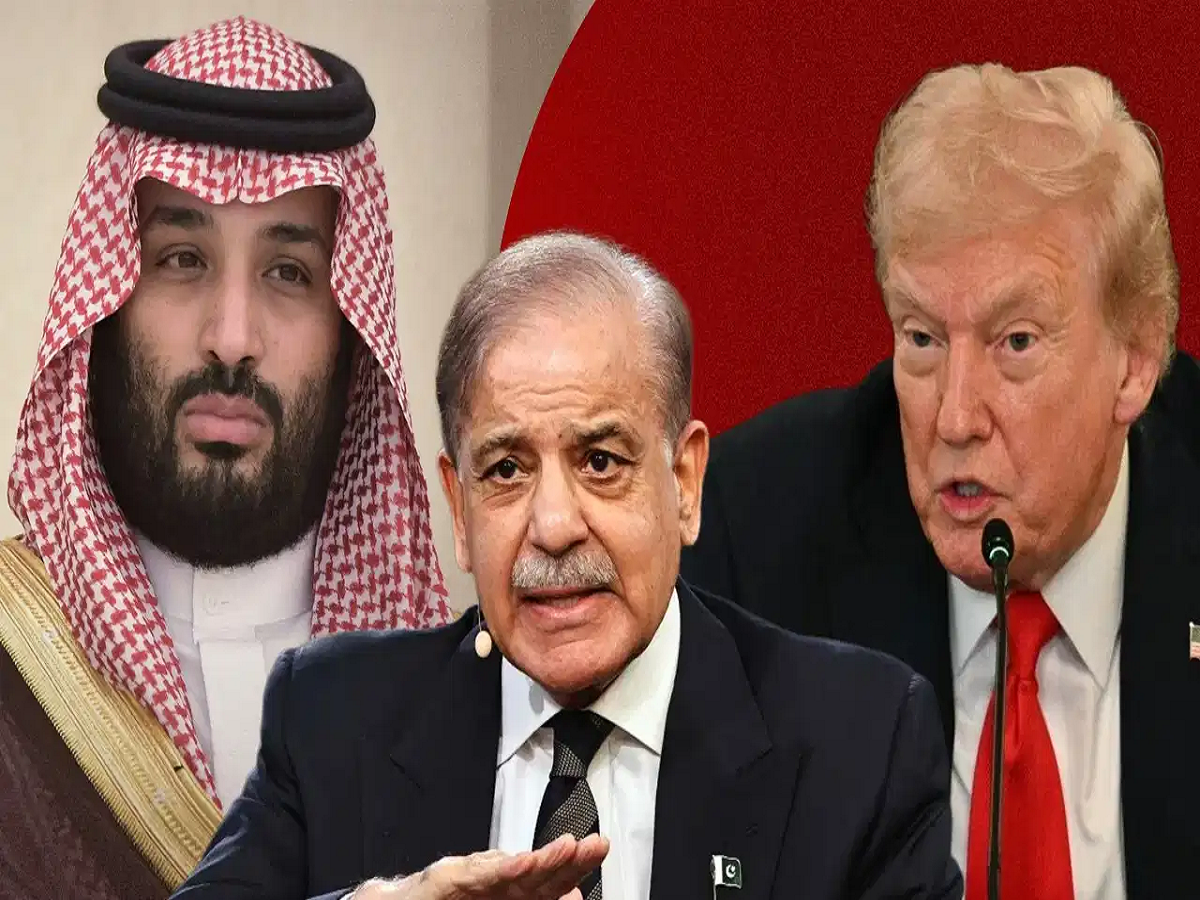
Amidst intense diplomatic maneuvering over the Iran nuclear deal, the United States has officially urged powerhouse Muslim nations—specifically Saudi Arabia, Qatar, and Pakistan—to sign onto the Abraham Accords.
Initiated in 2020 during President Donald Trump’s first term, the Abraham Accords serve as a historic framework to normalize diplomatic, trade, and defense relations between Arab-Muslim nations and Israel. While the United Arab Emirates (UAE), Bahrain, Sudan, and Morocco have already signed the pact, a new push led by Republican Senator Lindsey Graham indicates that Washington is aggressively expanding the treaty's reach. According to a report by Axios, the current administration is applying significant diplomatic pressure on these three vital nations to permanently reshape global geopolitics.
Remind Me: What Are the Abraham Accords?
Named after the biblical prophet Abraham—revered as the common patriarch of Judaism, Christianity, and Islam—the Accords represent a monumental shift in Middle Eastern alignment. Historically, most Arab and Muslim nations refused to recognize the state of Israel due to the ongoing Israeli-Palestinian conflict. The Accords bypass this deadlock, allowing signatory nations to open embassies, launch direct flights, and forge economic partnerships with Israel.
Washington's Master Plan: Why These Three Countries?
The push to bring Riyadh, Doha, and Islamabad to the negotiating table is driven by four major strategic objectives:
1. Countering China and Russia via MESA
The US is quietly constructing MESA (Middle East Strategic Affairs), an ambitious geopolitical alliance bridging the Middle East and South Asia. Securing a coalition of Israel, Saudi Arabia, Qatar, and Pakistan is seen as vital to completely checking and eliminating the growing economic and military influence of Russia and China in the region.
2. Normalizing Israel in the Muslim World
Due to the military conflicts in Palestine, public acceptance of Israel remains incredibly low across Islamic nations. If Saudi Arabia (the custodian of Islam's holiest sites), Qatar (a premier regional mediator), and Pakistan join the pact, it would signal a massive wave of legitimacy, vastly improving Israel's defense and trade integration in the region.
3. Ringfencing Iran and the Taliban
To isolate hostile regimes in Iran and Taliban-led Afghanistan, the US needs a solid regional anchor. Bringing Pakistan into the fold is a massive priority because Pakistan is the world's first and only nuclear-armed Muslim nation. Wrapping Islamabad into a US-backed security architecture creates a powerful deterrent.
4. Trump's Domestic Political Strategy
According to Trita Parsi, Vice President of the Quincy Institute, resurrecting the Accords serves a distinct domestic purpose for Donald Trump. Certain elements of current US-Iran negotiations are perceived by critics as anti-Israel. By aggressively expanding the Abraham Accords, Trump can firmly project a pro-Israel stance and appease influential pro-Jewish voter bases at home.
The Religious and Public Dilemma
While the geopolitical benefits for the ruling elites might be tempting, experts warn that signing the Accords could trigger explosive domestic instability.
-
The Pakistani Roadblock: Michael Kugelman, a Senior Fellow for South Asia at the Atlantic Council, notes that joining such an alliance is a political minefield for Islamabad. The Pakistani public holds deep, unyielding solidarity with the Palestinian cause. Even though Pakistan’s Defense Minister Khawaja Asif has vocally opposed the proposal, the military-led policy establishment finds itself in a tight spot. As Kugelman puts it: "This is the risk of working with the US. Washington can make an unthinkable proposal at any time."
-
The Saudi Caution: Saudi Arabia faces a similar religious dilemma. As the spiritual heart of the Islamic world, Riyadh cannot simply ignore the Palestinian issue without risking severe backlash from the global Muslim community, making any official signature a highly calculated, slow-moving gamble.
The Bottom Line: Forcing Saudi Arabia, Qatar, and Pakistan into a diplomatic embrace with Israel is the boldest American gamble in the Middle East in a generation. If successful, it constructs an ironclad defense wall against Iran, Russia, and China. However, by asking these governments to completely ignore decades of deep-rooted public sentiment regarding Palestine, Washington risks sparking severe domestic unrest within the very allies it is trying to protect.