NATIONAL
Amid War Fears, Iran Threatens to Exit NPT: What Are the Key Nuclear Treaties and Where Does India Stand?
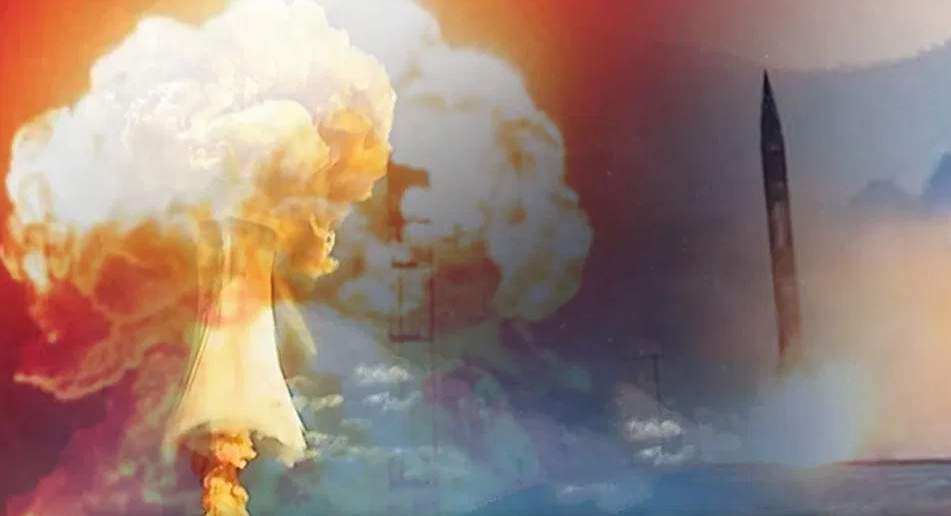
As missiles rain down and explosions rock cities in the ongoing conflict between Israel and Iran, global fears are intensifying—not just about conventional war, but about the threat of a nuclear conflict. In a move that has alarmed the international community, Iran has hinted that it may withdraw from the Nuclear Non-Proliferation Treaty (NPT), signaling a dramatic shift in its nuclear stance.
Iran’s Warning on NPT Exit
Amid escalating tensions, Iran’s Foreign Ministry spokesperson Esmail Baghei said that Tehran may review its position on the NPT in response to current geopolitical developments. He clarified that while the proposal is under parliamentary consideration, no final decision has been made yet. This statement comes as Israeli strikes reportedly target Iranian nuclear facilities, further fueling anxiety about a nuclear escalation.
What Are the Major Global Nuclear Treaties?
1. Nuclear Non-Proliferation Treaty (NPT)
-
Signed: 1968 | Enforced: 1970
-
Purpose: To prevent the spread of nuclear weapons, promote peaceful use of nuclear energy, and ultimately lead to global disarmament.
-
Members: 191 countries (including the 5 recognized nuclear-weapon states: US, Russia, China, UK, France).
-
India’s Stand: India is not a signatory. India argues the NPT is discriminatory because it recognizes only those nations that tested nuclear weapons before 1967 as nuclear powers.
2. Comprehensive Nuclear-Test-Ban Treaty (CTBT)
-
Signed: 1996 (Not yet in force)
-
Purpose: To ban all nuclear explosions for any purpose—military or civilian.
-
Status: 187 signatories, but 8 key countries including India, the US, and China have not ratified it.
-
India’s Stand: India has not signed the CTBT, citing concerns about the treaty’s inequities and its inability to ensure universal compliance.
3. Treaty on the Prohibition of Nuclear Weapons (TPNW)
-
Adopted: 7 July 2017 | In force: 22 January 2021
-
Purpose: To legally ban all nuclear weapons—possession, development, use, or threat of use.
-
Members: 70+ countries have ratified it, mostly non-nuclear states.
-
India’s Stand: India has not joined this treaty, maintaining that it supports global disarmament through a step-by-step approach under UN consensus rather than outright bans.
4. Strategic Arms Limitation Talks (SALT I & II)
-
Period: 1969–1972 (SALT I), 1972–1979 (SALT II)
-
Between: The US and the Soviet Union
-
Purpose: To cap the number of strategic nuclear weapons and missile defense systems.
-
India’s Role: These treaties are bilateral and India is not a participant.
Why Iran's Threat Matters
Iran’s potential withdrawal from the NPT would remove international inspections and accountability measures, allowing it to legally pursue nuclear weapons without UN oversight. This could lead to a nuclear arms race in the Middle East and further destabilize the region.
India’s Nuclear Policy
India maintains a “No First Use” nuclear doctrine and supports universal, non-discriminatory disarmament. However, it refuses to join treaties like the NPT or CTBT unless they acknowledge India’s legitimate nuclear status and provide equal terms for all nations.