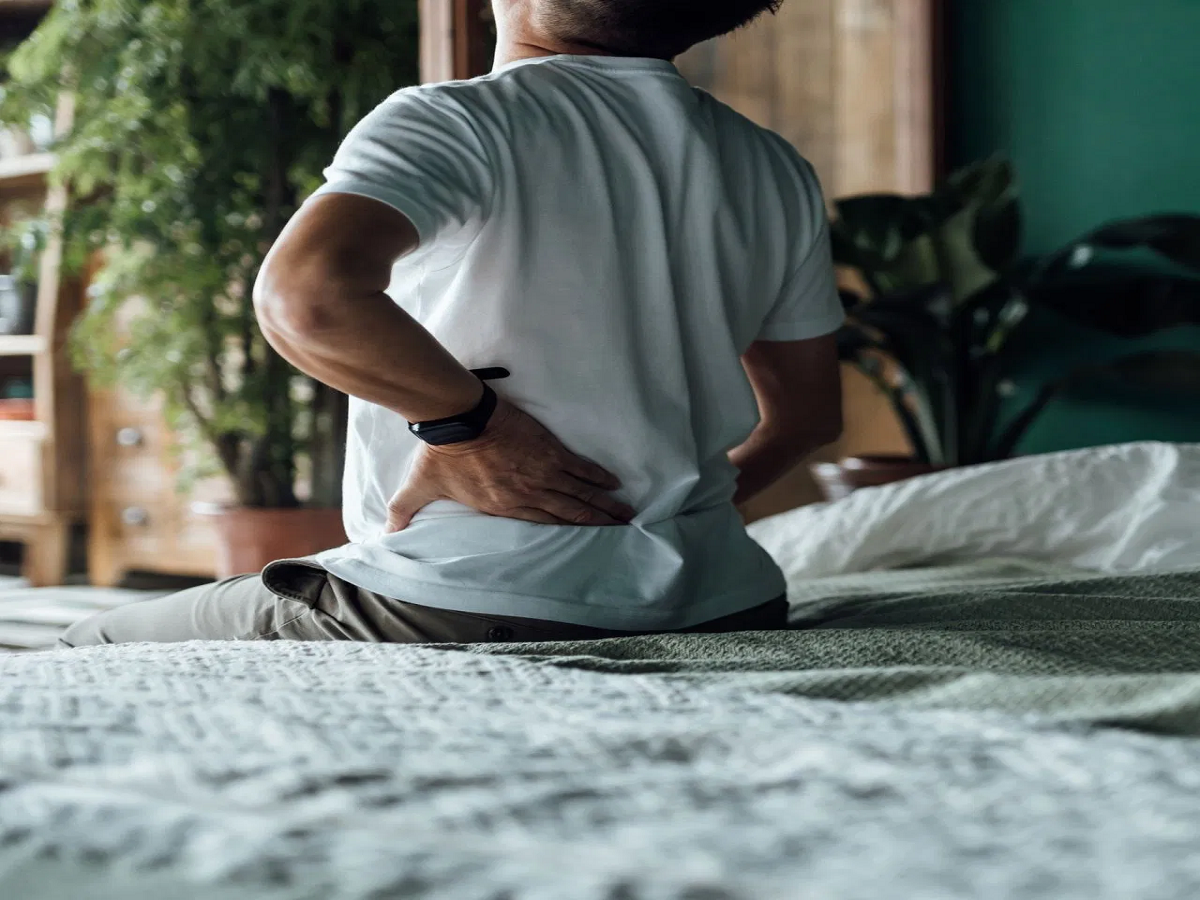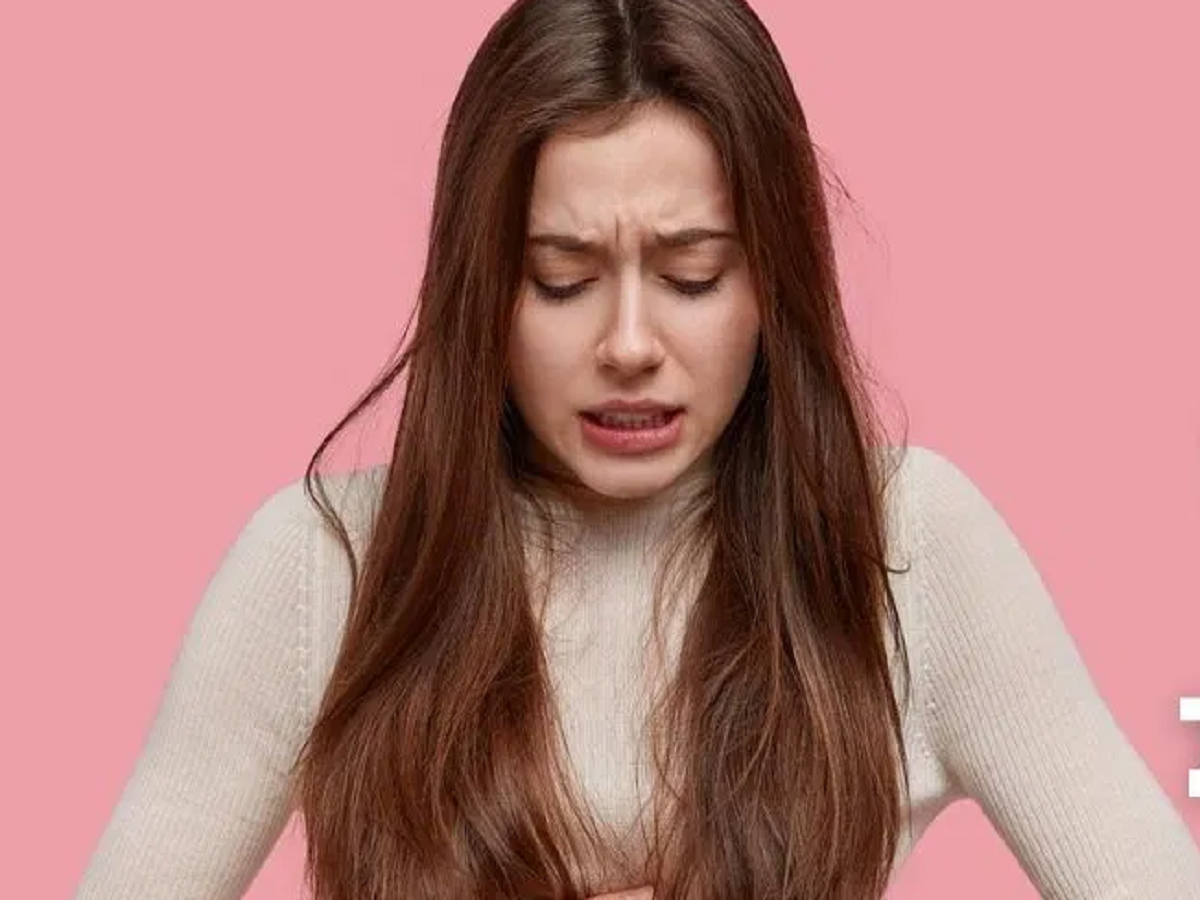
Periods are a natural process that’s closely linked not just to fertility, but also to overall health. Every woman’s experience is different—some sail through with ease, while others struggle with back pain, lower abdominal cramps, fatigue, bloating, and mood swings. Interestingly, some of these problems can be triggered or worsened by our own habits.
Celebrity nutritionist Shweta Shah points out two common mistakes women often make during menstruation. While these may seem harmless now, their impact can become noticeable between the ages of 40 and 45. Let’s understand what to avoid during your period.
Mistake 1: Doing heavy workouts
You may have heard elders say not to jump, run, or lift heavy weights during periods. While this advice often sounds outdated, it actually makes sense. According to Shweta Shah, the body needs rest during menstruation—especially in the first 2–3 days.
Heavy workouts, weight training, or intense abdominal exercises can disturb hormonal balance during this time. Instead, opt for gentle movement like light stretching, easy yoga, or a relaxed walk. Even if you don’t feel the impact immediately, such strain can show its effects later in life, particularly after 40–45.
Mistake 2: Consuming cold foods and drinks
Cravings during periods are common, but giving in to cold coffee, ice cream, or chilled drinks can worsen cramps, bloating, and mood swings. Nutritionists advise avoiding cold foods during menstruation, as they may aggravate discomfort and slow down digestion further.
Other important things to keep in mind
During periods, the body needs extra care and nourishment. Include iron-rich and nutritious foods in your diet, and try to limit fried or very heavy foods, as digestion tends to slow down. Maintain proper hygiene by changing pads every 5–6 hours.
Don’t ignore severe pain
While mild discomfort is common, severe pain or very heavy bleeding is not something you should brush off. If pain makes it difficult to sit, stand, or function normally, consult a doctor. Simple remedies like ginger tea or warm compresses can help ease pelvic discomfort, but persistent symptoms need medical attention.