TECH
Battery Anxiety Could Soon Be History: How Next-Generation Batteries Are Set to Transform Everyday Tech
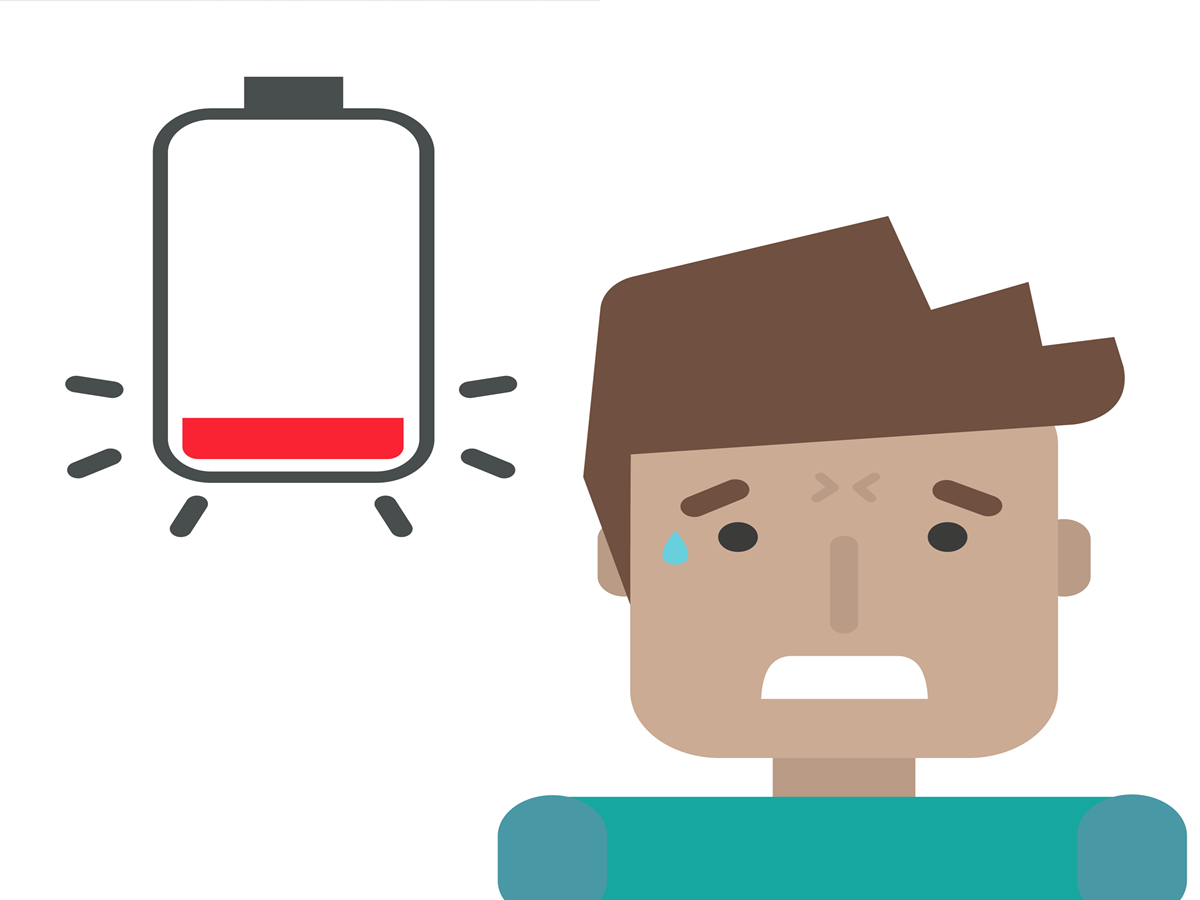
One of the biggest frustrations for smartphone, laptop, and electric vehicle users is running out of battery at the wrong time. While today's lithium-ion batteries have powered devices for years, researchers and technology companies are working on next-generation battery technologies that promise longer life, faster charging, and improved safety.
These innovations could reshape the way people use technology in the coming years.
Why Current Batteries Have Limits
Most modern electronic devices rely on lithium-ion batteries, which have become the industry standard because they are lightweight and rechargeable. However, they also have limitations. Battery capacity gradually declines with repeated charging, charging times can still be lengthy, and overheating remains a concern under certain conditions.
As devices become more powerful, the demand for better energy storage continues to grow.
What's Changing?
Researchers are developing new battery technologies designed to overcome these challenges. Some next-generation batteries aim to store more energy in the same amount of space, allowing devices to run longer on a single charge.
Other innovations focus on:
-
Faster charging times
-
Longer battery lifespan
-
Improved safety with reduced overheating risks
-
Better performance in extreme temperatures
-
Lower environmental impact through improved recycling and sustainable materials
What It Means for Smartphones
Future smartphones could last several days on a single charge without becoming bulkier. Fast-charging technology may also reduce charging times significantly, making low-battery warnings far less stressful for users.
These improvements could also support more advanced AI features that require greater processing power without sacrificing battery life.
Benefits for Electric Vehicles
Battery improvements are expected to play a major role in the future of electric vehicles. Longer driving ranges and shorter charging times could make EVs more practical for daily commuting as well as long-distance travel.
Durable batteries may also lower maintenance costs and extend the overall lifespan of electric vehicles.
Smarter Wearables and Portable Devices
Smartwatches, wireless earbuds, fitness trackers, and portable medical devices all depend on compact batteries. Higher-capacity batteries could allow these devices to operate for longer periods while remaining lightweight and comfortable to use.
A More Sustainable Future
Many companies are also investing in battery recycling technologies to recover valuable materials and reduce electronic waste. More efficient manufacturing methods and eco-friendly materials could help make future batteries both more sustainable and more affordable.
Looking Ahead
Battery technology is evolving rapidly, and its impact will extend far beyond smartphones. From electric vehicles and renewable energy storage to wearable devices and smart homes, better batteries could become one of the most important technological advancements of the next decade.
While widespread adoption of some next-generation battery technologies may still take time, the progress being made today is laying the foundation for a future where longer-lasting, faster-charging, and safer batteries become the new standard.