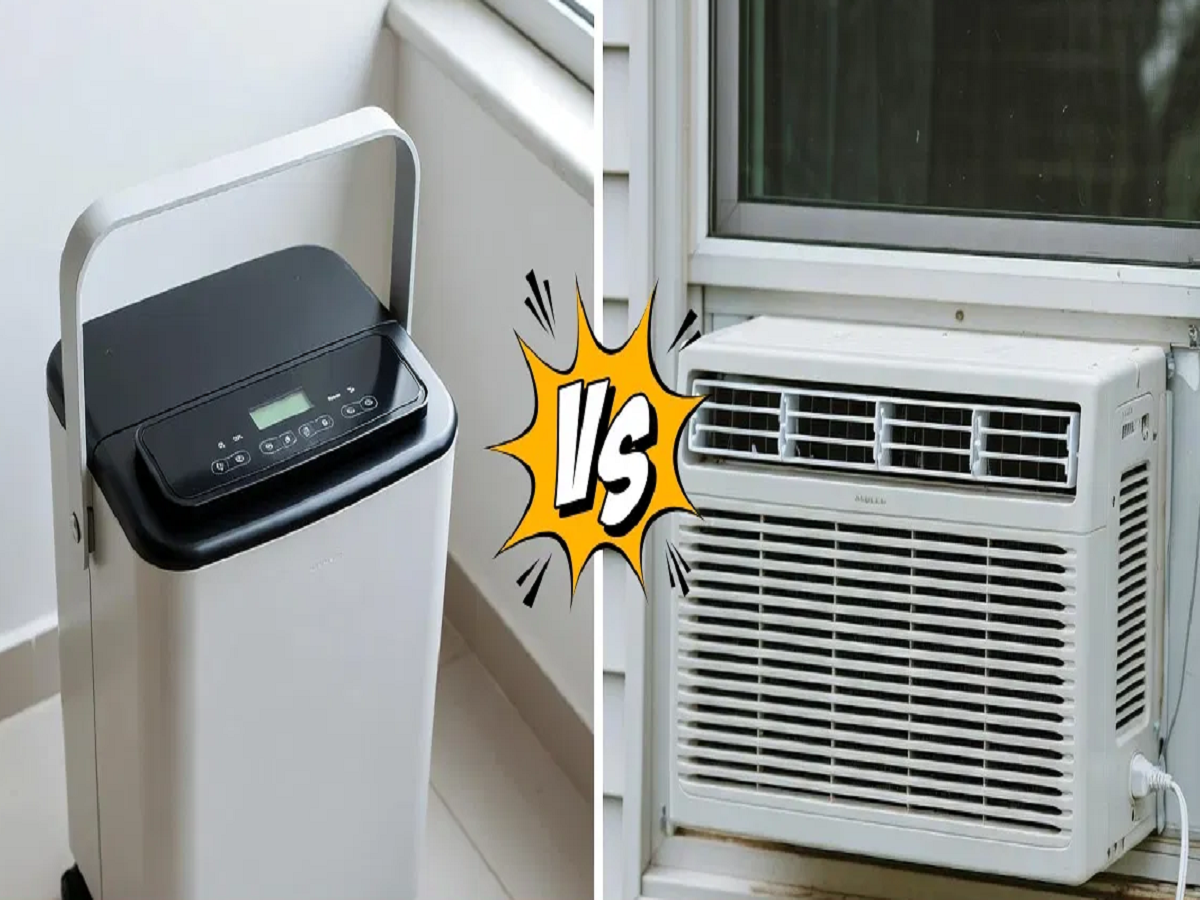
With the arrival of summer, the demand for air conditioners rises sharply as households prepare to beat the heat. While window ACs remain a popular choice, portable ACs are increasingly gaining traction, especially in smaller homes and rented accommodations. Choosing the wrong type of AC can affect electricity bills, cooling efficiency, and comfort. Here’s what buyers need to know before making a purchase.
Design and Installation
Window ACs are fixed units installed in a window or wall, requiring cutting and fitting for a permanent location. In contrast, portable ACs are movable, needing only an exhaust pipe directed out of a window. This flexibility makes portable units ideal for rented homes or frequent relocations.
Cooling Power and Room Size
Window ACs typically provide more powerful and stable cooling, making them suitable for medium to large rooms. The system is optimized as a single unit, ensuring faster temperature control, even in spaces with frequent door openings. Portable ACs are better suited for small to medium rooms, but may struggle in larger or extremely hot spaces.
Energy Consumption and Noise
Window ACs generally have better energy efficiency, helping to manage electricity costs. Portable ACs house the compressor inside the room, often making them noisier. In comparison, window ACs emit most of their noise outdoors, making them a quieter choice for bedrooms or study areas.
Price and Maintenance
While portable ACs may start at similar or higher prices than window ACs due to their mobility, window ACs are available in a broader range of sizes and budget options. Both require regular filter cleaning, but portable ACs may need frequent water disposal and inspection. Window ACs benefit from wider service networks for easier maintenance.
Which AC Should You Choose?
For rented homes or flexible use, a portable AC is convenient. However, for fixed rooms requiring efficient cooling and long-term use, a window AC is more practical. Understanding factors such as room size, budget, and frequency of use is essential before making a purchase decision.
By carefully evaluating your needs, households can ensure cool comfort throughout the summer without unnecessary costs or inconvenience.