If your smartphone has stopped receiving updates, it could quietly turn into an open invitation for hackers. Many people are alarmed by the word “expired” and wonder—can a phone really expire? The answer is yes, and using an expired smartphone can put your personal data and bank balance at serious risk.
What does “smartphone expired” really mean?
A smartphone is considered “expired” when the manufacturer stops providing software and security updates for that device. At the time of launch, companies usually promise updates for a fixed period—typically five to seven years. Once this support ends, the phone no longer receives critical security patches, making it increasingly vulnerable to cyberattacks.
Why expired phones are dangerous
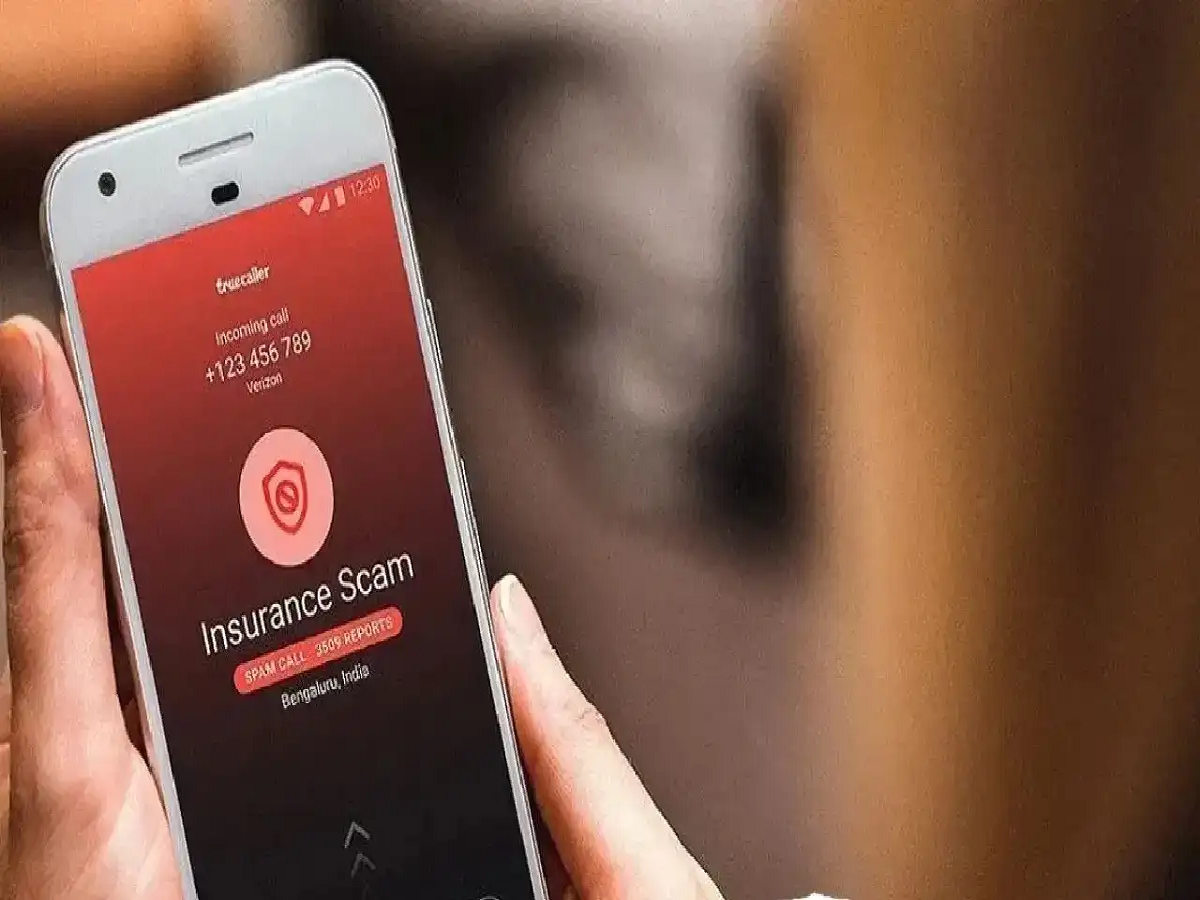
Without regular security updates, weaknesses in the operating system remain unpatched. Hackers actively look for such outdated devices because they are easier to break into. Once compromised, attackers can access sensitive information such as OTPs, banking apps, personal files, messages, and saved passwords. This can lead to financial fraud, identity theft, and data misuse.
How to protect yourself
The safest way to protect your data and money is to stop using a smartphone once it no longer receives official security updates. If replacing the phone immediately is not possible, avoid using banking apps, digital wallets, or storing sensitive information on the device. Keeping your phone updated isn’t just about new features—it’s a crucial shield against hackers.