BUSINESS
Big Government Update: Stand-Up India Scheme Extended Until 2031, 2.5 Lakh More Entrepreneurs to Benefit
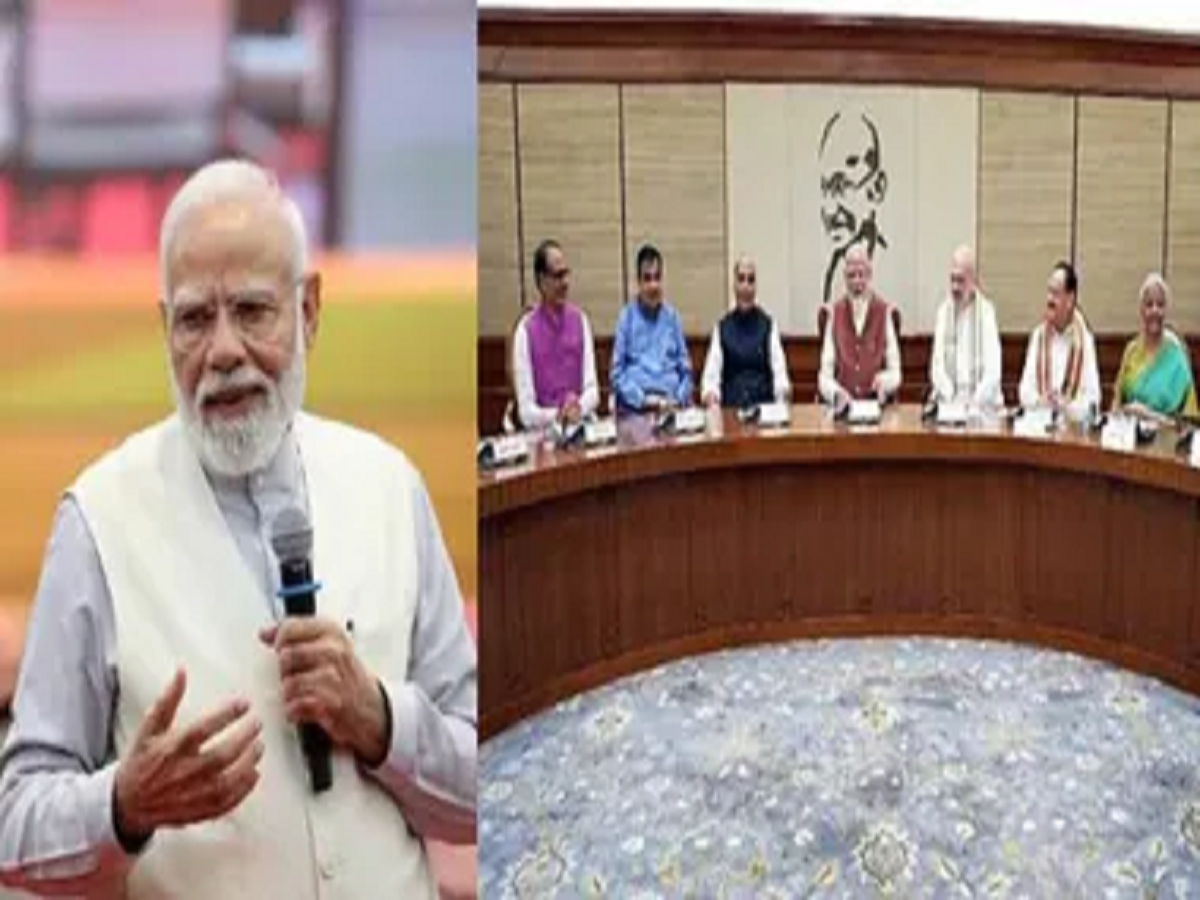
The Central Government has announced an important update for aspiring entrepreneurs by approving the continuation of the Stand-Up India Scheme for another five years, until March 31, 2031. The decision aims to expand access to institutional finance and encourage more women and entrepreneurs from Scheduled Castes (SCs) and Scheduled Tribes (STs) to establish their own businesses.
The extended scheme aims to support an additional 2.5 lakh entrepreneurs, providing opportunities for people who want to start new businesses but may face difficulties accessing financial assistance.
The Cabinet approved the extension on November 11, 2026, as part of a broader set of decisions focused on economic development and financial inclusion. <Cite refs={["turn692453search1","turn692453search4"]}/>
What Is the Stand-Up India Scheme?
Launched in April 2016, the Stand-Up India Scheme was designed to promote entrepreneurship among women and individuals belonging to SC and ST communities.
It provides bank loans for setting up greenfield enterprises, meaning businesses being established for the first time by the borrower.
Eligible businesses can operate in manufacturing, services, trading and activities allied to agriculture.
How Much Loan Can Beneficiaries Get?
Under the scheme, eligible entrepreneurs can access bank loans ranging from:
-
Minimum loan amount: More than ₹10 lakh
-
Maximum loan amount: Up to ₹1 crore
The financial assistance is intended to help entrepreneurs establish new businesses and meet eligible project-related expenses.
The scheme also includes credit guarantee support, which helps reduce the lending risk for participating banks. <Cite refs={["turn692453search4"]}/>
Who Can Apply for the Scheme?
The scheme primarily focuses on:
-
Women entrepreneurs.
-
Entrepreneurs belonging to Scheduled Castes.
-
Entrepreneurs belonging to Scheduled Tribes.
Applicants must satisfy the scheme's eligibility conditions. For non-individual enterprises, the prescribed ownership and controlling-stake requirements also apply.
The scheme is intended for greenfield projects rather than simply providing funds for an existing business.
What Has Changed in the Latest Government Decision?
The latest Cabinet approval focuses on continuing the scheme for five more years.
Here are the major highlights:
-
The scheme will continue until March 31, 2031.
-
The government aims to support another 2.5 lakh entrepreneurs.
-
Women, SC and ST entrepreneurs remain the primary focus.
-
Eligible borrowers can seek loans above ₹10 lakh and up to ₹1 crore.
-
Credit guarantee support will help facilitate lending through banks.
The government has also highlighted that the scheme has already facilitated loans for more than 2.75 lakh women and SC/ST entrepreneurs since its launch. <Cite refs={["turn692453search4"]}/>
How Can Interested Entrepreneurs Apply?
People interested in establishing a new business can approach participating banks to understand the application process and eligibility requirements.
Before applying, applicants should prepare a clear business proposal and understand the financial requirements of their proposed enterprise.
They should also verify the latest scheme guidelines, required documents, repayment conditions and applicable bank procedures.
Why Is This Scheme Important?
Starting a business often requires substantial initial investment. For people who do not have easy access to formal financial support, arranging the necessary funds can become a major challenge.
The continuation of Stand-Up India aims to address this issue by encouraging entrepreneurship and improving access to bank finance.
It also supports the broader objective of promoting financial inclusion and creating opportunities for individuals who want to become self-employed business owners.
A Major Opportunity for Aspiring Entrepreneurs
The extension of the Stand-Up India Scheme until 2031 gives eligible entrepreneurs a longer opportunity to explore business ownership with institutional financial support.
However, receiving a loan is subject to eligibility, bank assessment and applicable conditions.
For aspiring entrepreneurs, this government decision could open another door towards turning a business idea into a real enterprise.