LIFESTYLE
Black Pepper Planting: Known as the king of spices, grow it like this in your kitchen garden
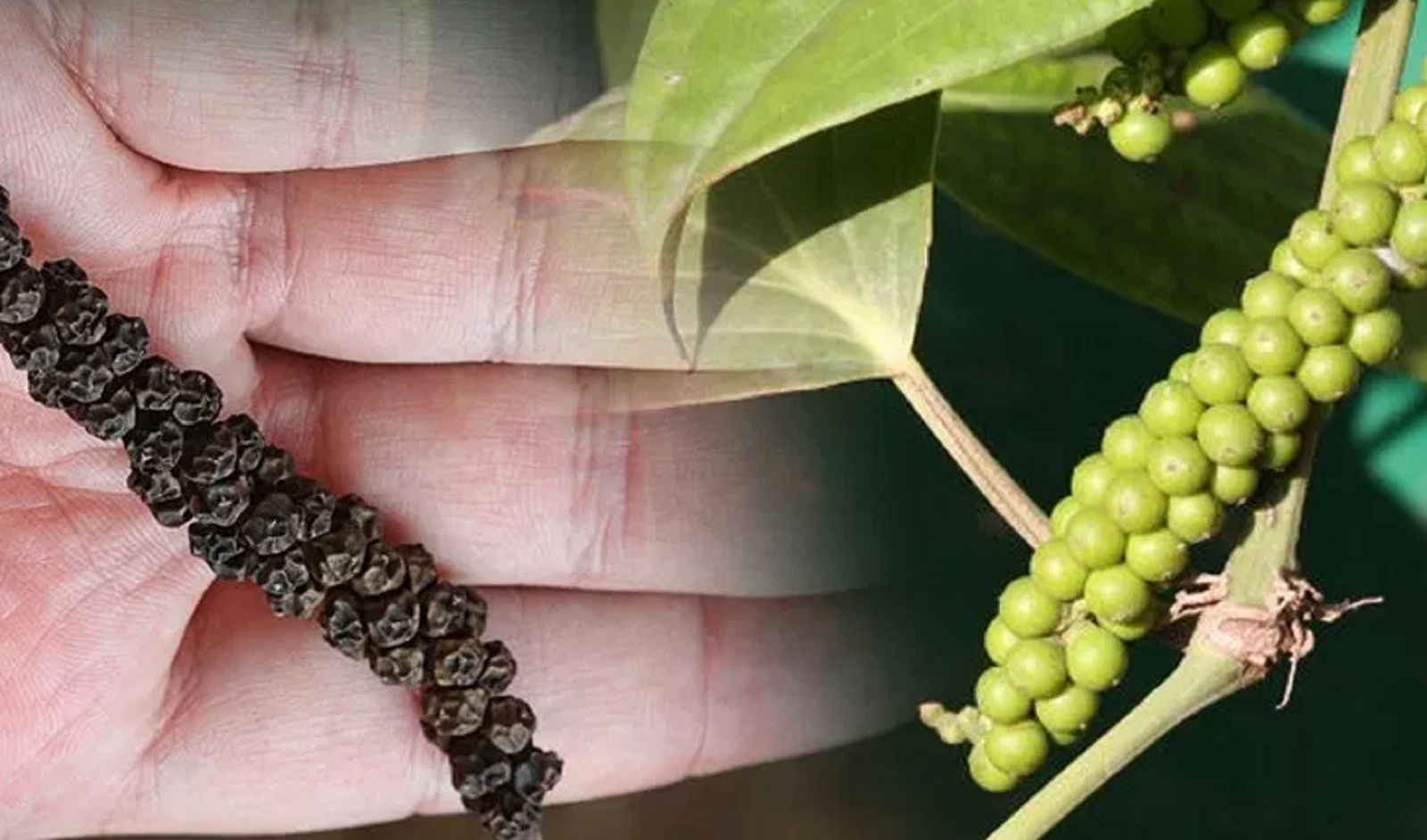
When you grow food organically at home, you get chemical-free produce that is much healthier. In this guide, we explain step by step how to grow a black pepper plant at home. Black pepper, known as the king of spices, grows as a climbing vine. It thrives in tropical climates, which makes it easy to grow in most plains of India. The plant grows best in partial shade and warm temperatures. In colder regions, you can grow it indoors or create a small greenhouse setup. Fresh black pepper not only tastes better but also provides more nutrition.
Nutritional value of black pepper
According to WebMD, black pepper contains vitamins K, E, A, B1, B2, B5, B6, and minerals like manganese, copper, iron, calcium, potassium, phosphorus, selenium, and zinc.
Benefits of black pepper
Black pepper is a common spice in Indian kitchens, but Ayurveda considers it medicinal as well. According to Healthline, it is rich in antioxidants and helps reduce chronic inflammation. It also supports brain health, controls blood sugar, reduces bad cholesterol, relieves pain, and improves digestion.
Where to grow black pepper
Black pepper plants do best in tropical weather. They grow comfortably at temperatures between 24°C and 29°C. If the temperature gets too cold, the plant may suffer, so protection is necessary. Choose a spot that gets 6 to 8 hours of sunlight, but not harsh direct light. A mix of partial sun and partial shade is ideal. You can grow it near a window, balcony, or any warm corner.
Preparing the soil
For planting directly in the ground, you don’t need much preparation. Choose fertile soil with good drainage and support nearby (like a tall tree or a trellis) for the vine to climb.
For pot planting, avoid round pots. Instead, choose a wide, rectangular container. Loose, airy soil is best for pepper plants. Mix:
• 40% good garden soil
• 33% cocopeat
• 20% compost or vermicompost
• 10% sand
Add a small amount of neem cake powder to prevent pests.
Planting black pepper
You can grow pepper from either cuttings or seeds.
Growing from cuttings:
• Take a healthy branch about 4–6 inches long.
• Remove the lower leaves.
• Dip the cut end in rooting hormone.
• Plant it in moist soil.
Growing from seeds:
• Soak the seeds for 24 hours to speed up germination.
• Sow them half an inch deep in the soil.
• Keep 3 inches distance between each seed.
• Water gently using a spray bottle.
• Keep the soil moist but not soggy.
Caring for the plant
Once the plant starts growing:
• Fertilize twice a month to boost growth.
• Add neem cake occasionally to prevent pests.
• You can also use liquid fertilizers.
• Loosen the topsoil slightly before fertilizing for better absorption.
• Mulch the soil once a month to maintain moisture and protect roots from temperature changes.
• Do not overwater. Check that the pot drains well.
Harvesting black pepper
Prune the plant regularly. Remove dry or yellow leaves to encourage new growth. The plant produces clusters of small grain-like pods. When these pods turn from green to red, they are ready to harvest. Pluck them carefully and dry them in direct sunlight for 7–10 days. Once fully dried, your homegrown black pepper is ready to use.