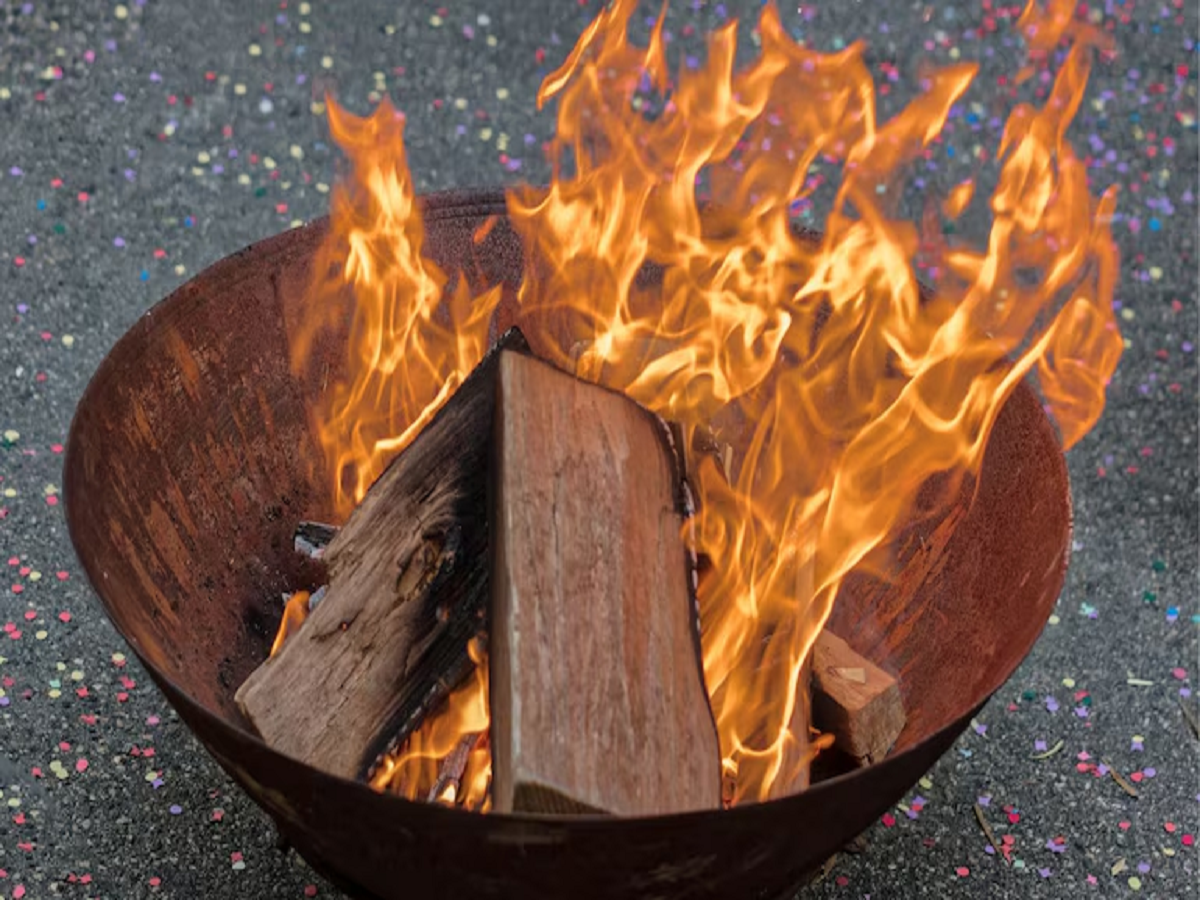
Keeping warm by the fire or burning wood indoors may seem comforting in the winter, but new research has pointed to its dangers. According to a report published in Science Advances, burning wood indoors increases air pollution and has been linked to premature deaths in some cases.
During the winter season, when the temperature drops rapidly, people often resort to bonfires or fireplaces to keep their bodies warm. Whether in the village or the city, a burning wood fire on cold nights provides people with a sense of relief and comfort. Sitting around a fire with family and neighbors is a common and age-old tradition. But the dangers hidden behind the warmth that we associate with comfort and security are often overlooked. Recent research and scientific studies have shown that the smoke emitted from burning wood in homes can cause serious harm not only to the environment but also to our health.
This smoke increases the amount of extremely fine particles in the air, which enter the body through breathing. This can have long-term effects on the heart, lungs, and entire respiratory system. This is why questions are now being raised about the warmth of bonfires.
Who is spoiling the air the most in winter?
According to a Northwestern University study, approximately 22% of PM2.5 pollution in the air during winter is generated by wood burning in homes. This makes it the single largest source of pollution during the winter season.
Wood smoke and heartburn
The smoke from burning wood is filled with extremely fine particles that enter the body directly through the respiratory tract. These particles increase the risk of heart disease many times over. According to experts, this effect is no less dangerous than wildfire smoke.
House fire, claiming thousands of lives
Research models suggest that approximately 8,600 premature deaths in the United States each year are linked to pollution from residential wood burning. This figure demonstrates how serious and overlooked the problem is.
Smoke does not stay at home, it reaches the cities
The effects of burning wood aren't limited to the home itself. Winds carry this smoke from suburbs to densely populated cities. Even though wood is burned less in cities, the smoke from outside can still poisons the air there.
What is the way to avoid this?
The good news is that the solution isn't difficult. Most homes don't rely solely on wood. Replacing wood stoves and fireplaces with modern, clean, and non-combustible heating options can significantly improve air quality.
Small change, big relief
Replacing bonfires with safer heating tools can not only protect your health but also clean the air in your area. Protection from the cold is essential, but not at the cost of life.
PC:MoneyControl