AUTO
Buying a Car This Diwali? 6 Important Things to Check Before Visiting the Showroom to Avoid Hidden Charges
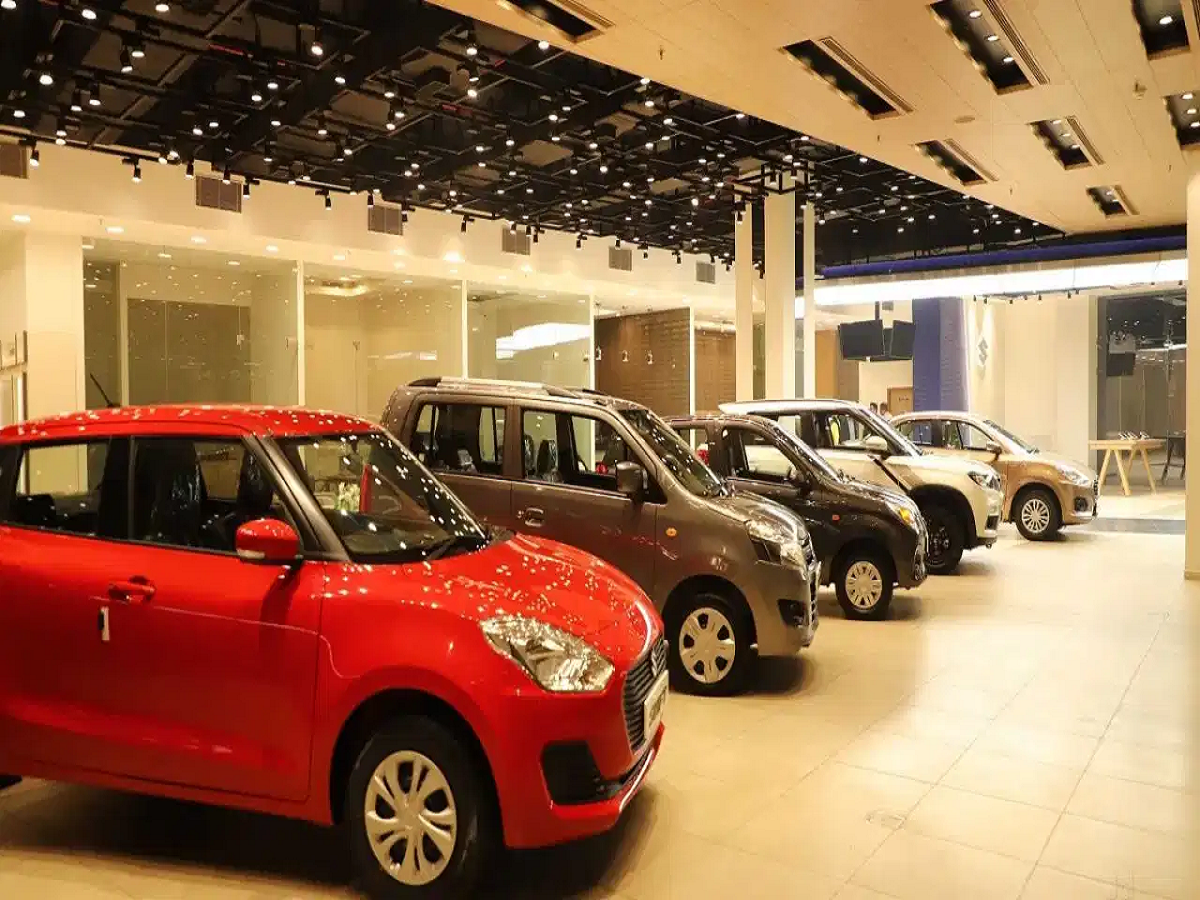
Diwali and Dhanteras are considered auspicious occasions for purchasing a new car or two-wheeler. Every year, automobile manufacturers and dealerships introduce attractive festive offers to encourage customers to make a purchase. From cash discounts and exchange bonuses to corporate benefits and complimentary accessories, buyers get several opportunities to save money.
However, not every festive offer is as beneficial as it appears. Some discounts come with hidden conditions, while additional charges can increase the final price of the vehicle. If you are planning to bring home a new car or bike this festive season, taking a few precautions can help you avoid unnecessary expenses.
Here are six important things you should check before making your purchase.
1. Check the Manufacturing Date Before Booking
During the festive season, dealerships often offer substantial discounts on vehicles that have remained in stock for several months. In some cases, these discounts are offered on vehicles manufactured in the previous year.
Although purchasing an older stock vehicle can help you save money, you should first check its manufacturing month and year.
Ask the dealer for the manufacturing details and compare the price of an older vehicle with a recently manufactured unit. Also, inspect the vehicle for signs of prolonged storage, including tyre condition, battery health and paint quality.
Do not make a purchase decision based only on an attractive discount. The savings should justify the vehicle's manufacturing age.
2. Don't Pay Extra for Accessories Advertised as Free
Many dealerships promote festive packages that include complimentary accessories such as seat covers, floor mats, mud flaps and body covers.
However, some customers may discover that the cost of these accessories has been included in the final invoice.
Before accepting any package, ask the dealership to provide a detailed price breakdown. Confirm which accessories are genuinely free and which ones involve additional charges.
If you do not need certain accessories, ask the dealer to remove them from the quotation. This simple step can help prevent unnecessary spending.
3. Compare Insurance Policies Before Purchasing
Many customers purchase vehicle insurance directly through the dealership without comparing other available options.
However, buying insurance from the showroom is not compulsory. You can compare policies from different insurance providers and select one that offers suitable coverage at a competitive premium.
Before choosing a policy, pay attention to the following:
-
IDV (Insured Declared Value): Check the insured value of your vehicle, as it influences the compensation payable in case of total loss or theft.
-
Zero Depreciation Cover: This add-on can reduce depreciation deductions on eligible vehicle parts during claims, subject to policy conditions.
-
Engine Protection: Check whether additional protection against certain engine-related damages is available.
-
Roadside Assistance: This facility can provide support during breakdowns and emergencies.
-
Claim Settlement Process: Understand the claim procedure and the insurer's network of cashless garages.
Compare the total premium and coverage rather than selecting a policy simply because it is offered by the dealership.
4. Evaluate Your Old Car Before Accepting an Exchange Bonus
Exchange bonuses are among the most common offers during the festive season. Dealers encourage customers to exchange their existing vehicles in return for additional discounts on a new purchase.
However, these offers may have eligibility conditions related to the vehicle's age, ownership and documentation.
Before accepting an exchange deal, obtain quotations from multiple used-car dealers and online vehicle-selling platforms. This will help you understand the actual market value of your existing vehicle.
Sometimes, selling your old car separately and purchasing the new vehicle with a regular cash discount can prove more beneficial than accepting an exchange bonus.
Always compare the final financial benefit before making a decision.
5. Perform a Pre-Delivery Inspection Before Taking Your Vehicle Home
Festive-season demand can put pressure on dealerships to deliver vehicles quickly. However, buyers should never skip the Pre-Delivery Inspection (PDI) just because they are eager to take their new vehicle home.
A proper inspection helps identify possible defects or damage before accepting delivery.
Check the following points:
-
Exterior Condition: Inspect the body panels, paint, bumpers and doors for scratches, dents or uneven finishing.
-
Tyres: Check the tyre condition, manufacturing details and pressure.
-
Lights and Electronics: Test the headlights, indicators, brake lights, infotainment system and other electrical functions.
-
Engine and Battery: Check for warning lights, unusual noises and visible signs of damage.
-
Odometer Reading: Verify that the vehicle has not been driven unnecessarily.
-
Vehicle Identification: Match the chassis number and engine number with the details mentioned in the invoice and registration documents.
If you notice any major issue, inform the dealership and get it resolved before signing the final delivery documents.
6. Understand Loan, EMI and Booking Conditions
Low down payments and attractive monthly instalments can make a new vehicle appear more affordable. However, buyers should carefully understand the complete loan structure before signing an agreement.
A lower EMI does not necessarily mean a cheaper loan. It may simply indicate a longer repayment period, resulting in higher overall interest payments.
Before finalising the loan, check:
-
Annual interest rate and whether it is fixed or floating.
-
Loan processing and documentation charges.
-
Total loan amount and repayment period.
-
Total interest payable throughout the loan tenure.
-
Foreclosure and prepayment conditions.
You should also understand the booking amount and cancellation policy before making any advance payment. Ask the dealership to provide written confirmation of refund conditions, cancellation charges and expected delivery timelines.
Final Thoughts
Festive offers can make Diwali an excellent time to purchase a new car or two-wheeler, but buyers should not rush into a decision simply because a dealership advertises limited-period discounts.
Check the manufacturing date, compare insurance premiums, verify accessory charges and carefully evaluate exchange offers. Most importantly, complete the Pre-Delivery Inspection and understand every financial commitment before signing the documents.
A little research before visiting the showroom can help you avoid hidden expenses and ensure that your festive vehicle purchase delivers genuine value for money.