With rising vehicle prices, buying a second-hand car has become a practical and budget-friendly option for many buyers. It allows you to own a car at a lower cost while still meeting your daily needs. However, purchasing a used vehicle comes with certain risks that should not be overlooked.
A car may appear well-maintained on the outside, with shiny paint and a clean interior, but hidden mechanical issues can lead to costly repairs later. To avoid such problems, it’s important to carry out proper checks before finalizing your purchase. Here’s a complete guide to help you make a smart and safe decision.
Why Careful Inspection Is Important
Unlike new cars, used vehicles have a history that can impact their performance and reliability. A thorough inspection helps you understand the car’s condition and prevents unexpected expenses in the future.
1. Verify All Documents Carefully
Start by checking all essential documents to confirm the car’s authenticity and ownership.
Key documents include:
- Registration Certificate (RC)
- Valid insurance papers
- Service and maintenance history
These records provide insight into how well the car has been maintained and whether it has any legal issues.
2. Inspect the Engine Condition
The engine is the heart of the car, so a detailed inspection is crucial.
- Open the bonnet and check for oil leaks
- Look for excessive dust or dirt buildup
- Listen for unusual noises when the engine is running
Any irregularities may indicate poor maintenance or underlying issues.
3. Check Tyres and Suspension
Tyres and suspension directly affect safety and driving comfort.
- Look for uneven tyre wear, which may signal alignment issues
- Pay attention to noises while driving over bumps or rough roads
- Ensure the suspension feels stable and smooth
Ignoring these signs can lead to higher repair costs later.
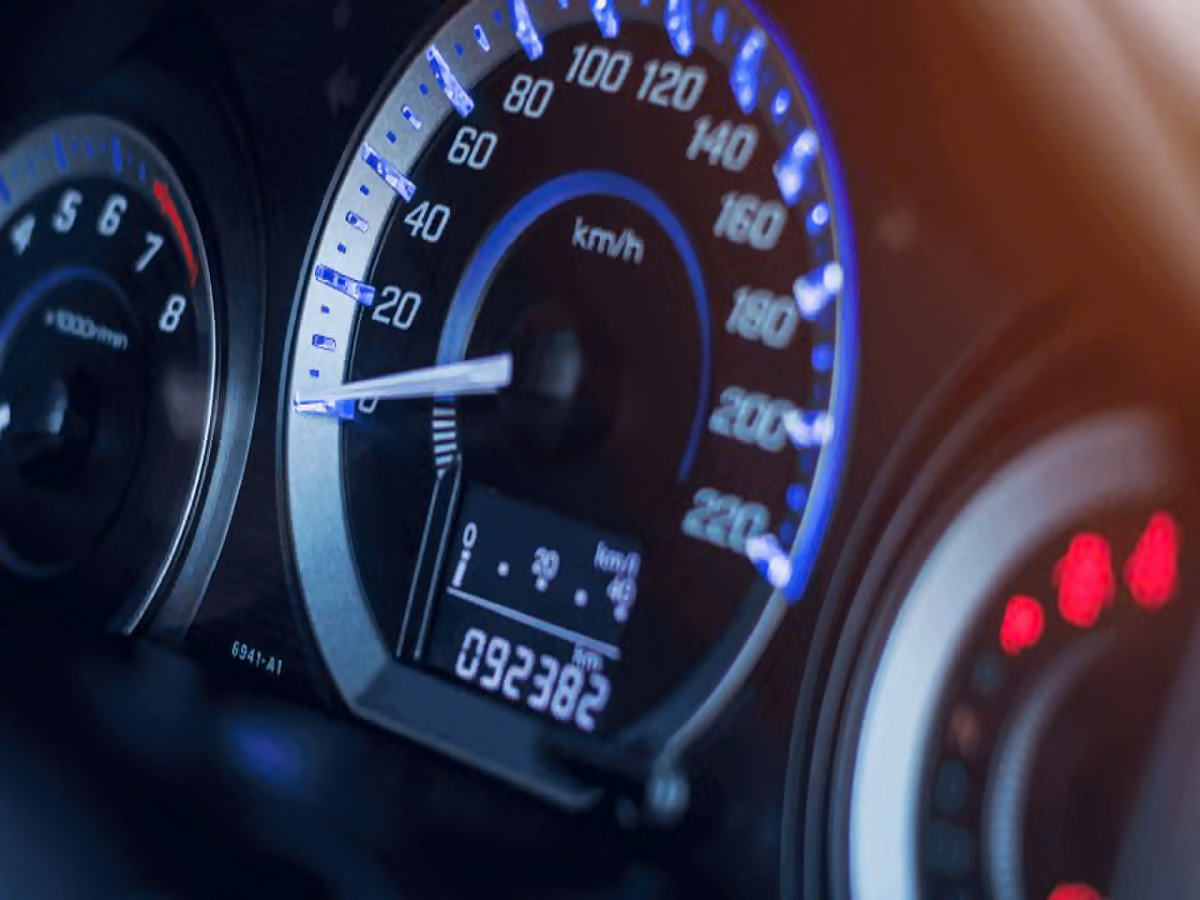
4. Examine the Odometer Reading
Always verify the odometer reading to ensure it hasn’t been tampered with.
- Compare the reading with the car’s condition
- Extremely low mileage on an older car may be suspicious
Accurate mileage helps you assess the vehicle’s actual usage.
5. Take a Proper Test Drive
A test drive is one of the most important steps before buying a used car.
- Drive the car for at least 5–10 kilometers
- Check how smoothly the gears shift
- Test the braking system
- Evaluate overall comfort and handling
This gives you a real sense of the car’s performance.
6. Observe Exhaust Smoke
Start the engine and watch the exhaust carefully.
- Black smoke may indicate fuel-related issues
- Blue smoke can signal engine oil burning
Both are warning signs of potential engine problems.
Final Thoughts
Buying a used car can be a great financial decision if done wisely. By thoroughly checking documents, inspecting the vehicle, and taking a proper test drive, you can avoid common pitfalls and ensure a reliable purchase.
Always take your time, do proper research, and if needed, consult a trusted mechanic before making the final decision. A little caution today can save you from major expenses in the future.