LIFESTYLE
Cancer Cases in India Could Reach 28 Lakh Annually by 2050: Why Early Detection Is Becoming Crucial
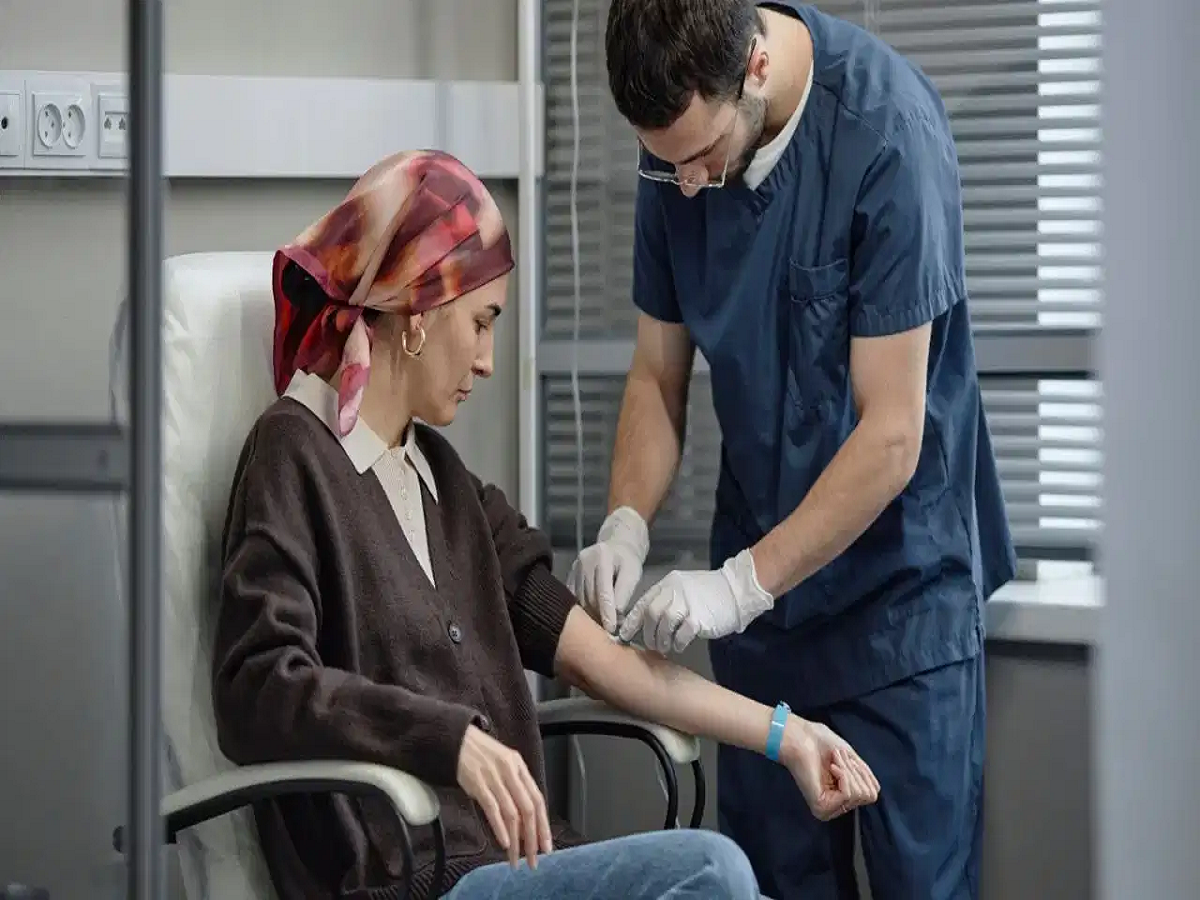
Cancer is emerging as a major public health challenge in India, with the number of new cases expected to rise significantly over the coming decades. Along with the increasing number of patients, delayed diagnosis, expensive treatments and limited access to specialised healthcare are adding to the difficulties faced by thousands of families.
According to the GLOBOCAN 2022 estimates released by the International Agency for Research on Cancer (IARC), India recorded approximately 14.13 lakh new cancer cases and 9.16 lakh cancer-related deaths. The estimates also indicate that nearly one in 10 Indians faces the risk of developing cancer before the age of 75.
Projections for 2024 estimated that annual cancer cases could reach approximately 16 lakh. Experts have also warned that population growth and an ageing population could push the annual number of new cases to nearly 28 lakh by 2050.
Cancer is increasingly affecting younger people
Another worrying development is the changing age profile of cancer patients. According to Dr Arun Kumar Giri, Director of Surgical Oncology at Aakash Healthcare, doctors are increasingly seeing patients in their 30s and 40s seeking cancer treatment.
Several lifestyle and environmental factors may contribute to the growing risk, including tobacco consumption, unhealthy eating habits, physical inactivity and exposure to pollution.
Cancer is also no longer restricted to major metropolitan cities. Patients from smaller towns and cities are increasingly reporting the disease, highlighting the need for better diagnostic facilities and cancer awareness across the country.
Delayed diagnosis is making cancer treatment more difficult
One of the biggest challenges in India's fight against cancer is the delay in identifying the disease. According to Dr Pratik Patil, an oncology consultant at Jupiter Hospital, many patients reach hospitals when their cancer has already progressed to stage 3 or stage 4.
At advanced stages, treatment can become more complicated and expensive. Recognising warning signs and consulting a doctor at the right time can make a significant difference.
Some symptoms that should not be ignored include:
-
Unexplained lumps or swelling in the body.
-
Wounds that do not heal.
-
Sudden and unexplained weight loss.
-
Unusual or persistent bleeding.
-
Changes in bowel or bladder habits.
-
Persistent discharge or other unusual bodily changes.
These symptoms do not necessarily indicate cancer, but they should be medically evaluated, particularly when they persist.
Women and men are both neglecting important cancer screenings
Lack of awareness and hesitation about medical examinations are also contributing to delayed diagnosis.
According to Dr Vineet Malhotra, many men avoid medical consultations until their symptoms become severe. Apart from tobacco and alcohol consumption, hesitation to discuss urinary and sexual health problems can also delay the identification of certain cancers.
In women, cervical and breast cancer screening remains particularly important. Gynaecologist Dr Archana Dhawan Bajaj highlights the importance of HPV vaccination and regular screening for cervical cancer.
Pap smear and HPV tests can help identify cervical abnormalities and infections that may lead to cancer. Similarly, women should not ignore unusual breast lumps or changes and should seek timely medical evaluation.
Cancer treatment is becoming a financial burden for families
The challenges associated with cancer do not end with diagnosis. Treatment often involves multiple hospital visits, surgery, chemotherapy, radiation therapy and regular follow-ups.
A significant number of specialised cancer treatment facilities are concentrated in larger cities. As a result, patients from smaller towns frequently have to travel long distances for treatment.
According to Dr Pratik Patil, expenses related to accommodation, transportation, hospital visits and time away from work can put considerable financial pressure on families. Some patients are forced to borrow money, while others may struggle to continue their treatment because of financial difficulties.
Why awareness and early screening matter
With India's cancer burden expected to increase, improving awareness, encouraging appropriate screening and strengthening healthcare facilities will be essential.
People should avoid tobacco, limit alcohol consumption, maintain a balanced diet, remain physically active and follow recommended vaccination and screening guidelines.
It is equally important not to wait for severe symptoms before consulting a doctor. Early diagnosis does not guarantee a cure, but it can improve treatment options and outcomes for many types of cancer.
As the country prepares to deal with a potentially higher number of cancer cases in the coming decades, accessible healthcare, affordable treatment and timely diagnosis will play a crucial role in reducing the burden on patients and their families.