LIFESTYLE
Cervical Cancer Alert: One Woman Dies Every 8 Minutes in India, Vaccination at the Right Age Can Act as a Protective Shield
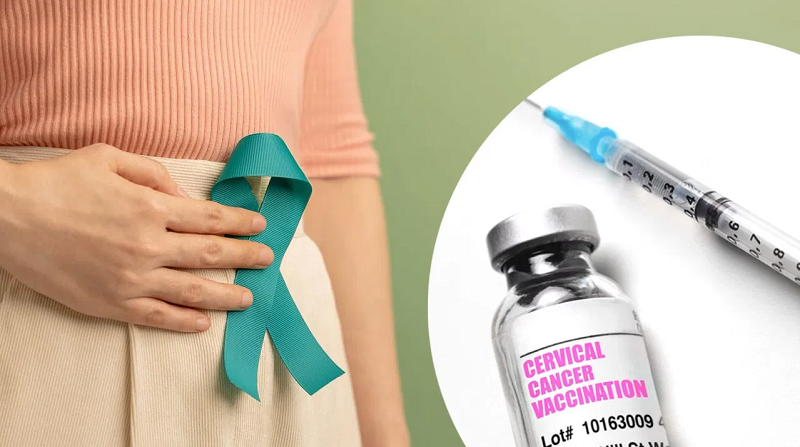
Cervical cancer is rapidly emerging as a serious health threat for women in India. According to data from the Indian Council of Medical Research, one woman in the country dies every eight minutes due to cervical cancer. This alarming statistic highlights the urgent need for awareness, early screening, and preventive measures.
Cervical cancer develops slowly and often does not show clear symptoms in its early stages. As a result, many cases are detected late, making treatment more difficult. Factors such as changing lifestyles, lack of routine health checkups, and low awareness have contributed to the rising number of cases. Health experts believe that timely vaccination, regular screening, and correct information can prevent a large number of deaths.
At what age should the cervical cancer vaccine be taken?
Dr. Saloni Chadha, Associate Professor in the Department of Gynecology at Ram Manohar Lohia Hospital, explains that the cervical cancer vaccine is most effective when given between the ages of 9 and 14. At this stage, the immune system responds strongly, providing better protection against infection.
The vaccine can also be given between the ages of 15 and 26, during which it still significantly reduces the risk of cervical cancer. After the age of 26, vaccination should only be done after consulting a doctor, as exposure to the virus may have already occurred and the effectiveness of the vaccine may be lower.
The vaccine primarily protects against the Human Papillomavirus (HPV), which is considered the leading cause of cervical cancer. Getting vaccinated at the right age can act as a long-term protective shield against the disease. However, doctors stress that vaccination alone is not enough — regular screening and healthy lifestyle habits remain essential.
Causes and symptoms of cervical cancer
HPV infection is the most common cause of cervical cancer. Other factors that increase risk include early marriage, multiple pregnancies, smoking, weak immunity, and irregular or no screening.
In the early stages, cervical cancer may not cause noticeable symptoms. As the disease progresses, symptoms may include abnormal vaginal bleeding, bleeding between periods, pain during sexual intercourse, foul-smelling vaginal discharge, and persistent pelvic pain. Ignoring these warning signs can delay diagnosis and worsen outcomes, making timely medical consultation crucial.
Who is at higher risk?
Cervical cancer is considered more dangerous for:
-
Women infected with HPV
-
Those who do not undergo regular gynecological checkups
-
Women who smoke
-
Women with weakened immune systems
-
Women who marry or conceive at a young age