LIFESTYLE
Chaitra Navratri 2026 Begins March 19 — Dates, Kalash Installation Muhurat, Significance & Full Festival Calendar
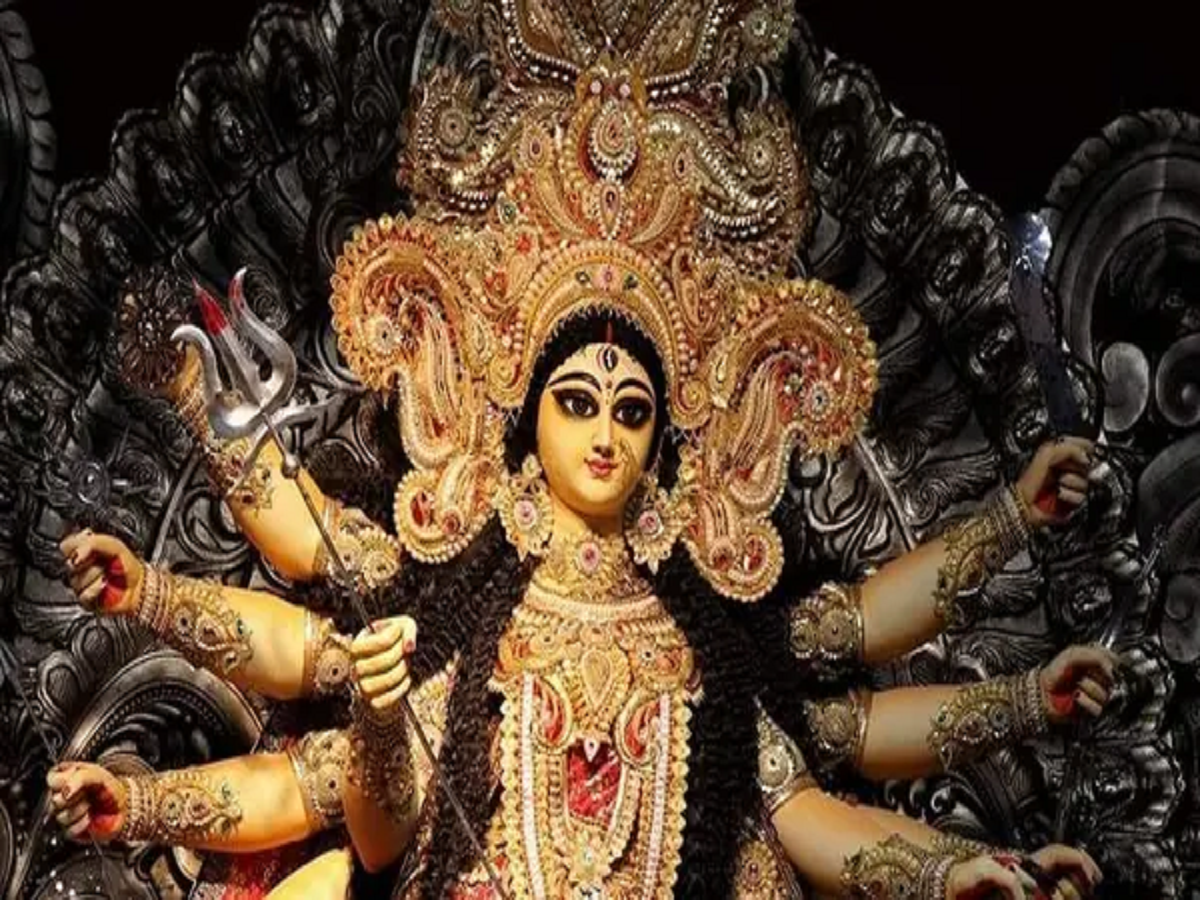
Chaitra Navratri 2026, one of the most auspicious Hindu festivals dedicated to Goddess Durga, will begin on Thursday, March 19, 2026 and conclude on Friday, March 27, 2026 with Ram Navami celebrations.
According to the traditional Hindu calendar, the festival starts with Ghatasthapana (also called Kalash Sthapana)—the installation of a sacred pot symbolizing the presence of the Goddess. The auspicious time for Kalash installation on the first day is during the morning hours, typically around 06:52 AM to 07:43 AM, followed by a favorable Abhijit Muhurat around 12:05 PM to 12:53 PM.
Chaitra Navratri spans nine days, each dedicated to a different form of Navadurga. Devotees observe fasts, perform daily puja rituals, and chant mantras to seek the blessings of the divine Mother for strength, prosperity, and spiritual upliftment.
📅 Chaitra Navratri 2026 Festival Calendar
Day 1 – March 19, 2026 (Thursday)
• Ghatasthapana & Puja begins (Pratipada)
Day 2 – March 20, 2026 (Friday)
• Worship of Goddess Brahmacharini
Day 3 – March 21, 2026 (Saturday)
• Puja of Goddess Chandraghanta
Day 4 – March 22, 2026 (Sunday)
• Puja of Goddess Kushmanda
Day 5 – March 23, 2026 (Monday)
• Puja of Goddess Skandamata
Day 6 – March 24, 2026 (Tuesday)
• Puja of Goddess Katyayani
Day 7 – March 25, 2026 (Wednesday)
• Puja of Goddess Kalaratri
Day 8 – March 26, 2026 (Thursday)
• Puja of Goddess Mahagauri (Ashtami)
Day 9 – March 27, 2026 (Friday)
• Puja of Goddess Siddhidatri & Ram Navami celebration (Navami)
🌼 Significance of Chaitra Navratri
Chaitra Navratri marks the beginning of the Hindu lunar new year and is celebrated in spring as a period of spiritual renewal and devotion. Throughout these nine days, devotees honor the nine divine forms of Goddess Durga, seeking her blessings for courage, wisdom, purity, and protection. On the final day, the festival culminates in Ram Navami, celebrating the birth of Lord Rama—symbolizing righteousness and virtue.
Many families also observe traditions such as daily recitation of Durga Saptashati or Navratri-specific hymns, observing fasts, and decorating the Kalash with mango leaves and coconut during Ghatasthapana.