LIFESTYLE
Dandruff Isn't Always Caused by Dirt: These Skin Conditions Could Be Behind Your Flaky Scalp
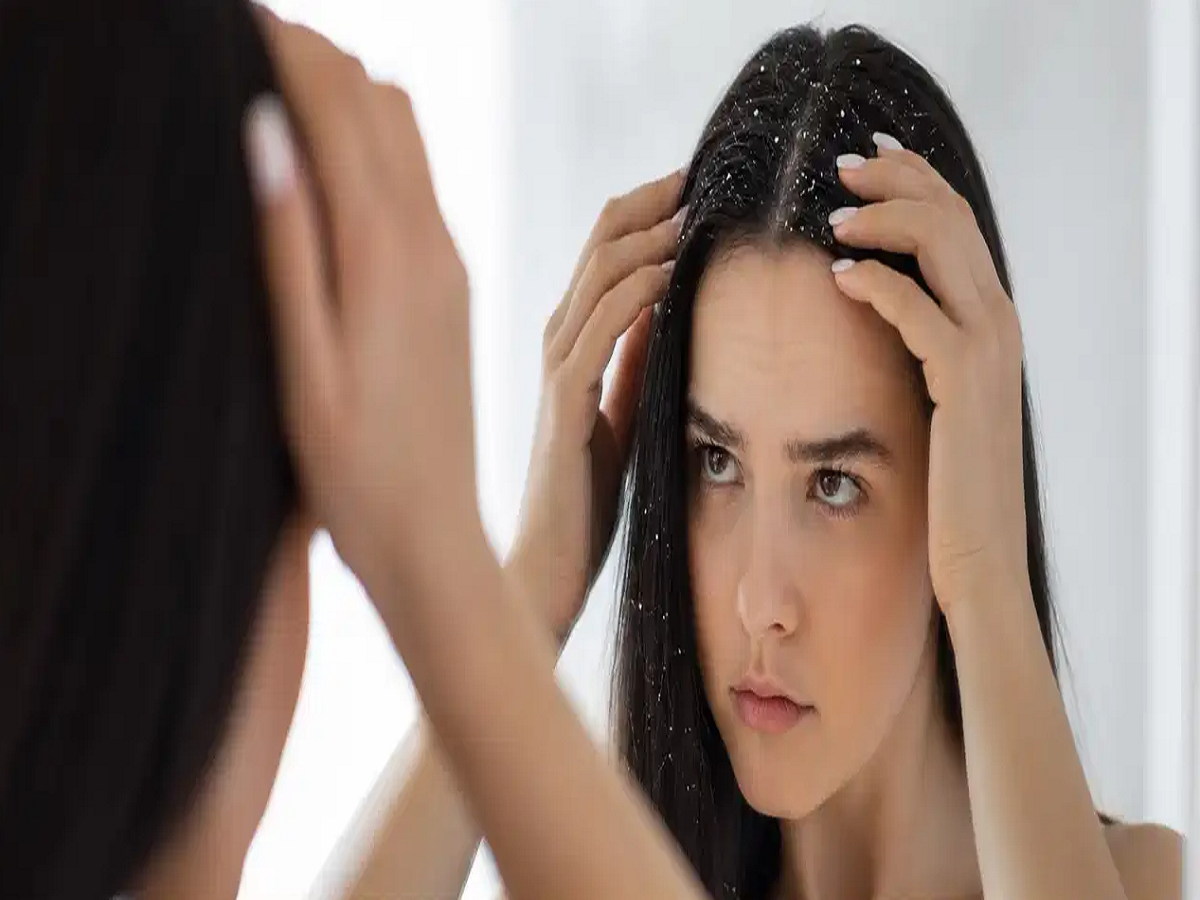
Seeing white or yellowish flakes on your hair or clothes doesn't necessarily mean your scalp is dirty. Dandruff is a common scalp problem that can cause flaking, itching, dryness and sometimes mild irritation.
Changes in weather, scalp oiliness and hair-care habits can make the problem worse. However, persistent or severe flaking may sometimes have another underlying cause.
If dandruff keeps returning despite regular care, it is important to look beyond simple scalp cleanliness.
Seborrheic Dermatitis Can Cause Persistent Flaking
According to the Cleveland Clinic, seborrheic dermatitis is one of the common conditions associated with dandruff.
It can cause redness, itching and flaky skin on the scalp. The condition can also affect oily areas of the body, including the eyebrows, sides of the nose, ears and chest.
Scalp oils and the skin's reaction to them can contribute to the problem. This means that simply washing your hair more often may not completely solve it.
Psoriasis Can Also Affect the Scalp
Psoriasis is another skin condition that can cause thick, itchy patches and noticeable scaling on the scalp.
Unlike ordinary mild dandruff, psoriasis may produce thicker scales and more pronounced irritation. If you notice persistent thick patches or significant redness, it is worth getting the scalp examined by a dermatologist.
Hair Products May Irritate Your Scalp
Sometimes the products you use on your hair can contribute to scalp irritation.
Certain shampoos, conditioners, hair dyes, styling products or fragrances may cause irritation in sensitive individuals. This can lead to itching, redness and flaking that may be mistaken for ordinary dandruff.
If symptoms began after introducing a new hair product, consider discussing the reaction with a dermatologist rather than repeatedly changing products on your own.
What Can You Do About Dandruff?
For mild dandruff, an appropriate anti-dandruff shampoo can often be a useful first step. Follow the product instructions and give the treatment enough time to work.
Avoid aggressively scratching or picking the scalp. Scratching can increase irritation and may damage the skin.
For people who experience recurring dandruff, treatment may need to be continued as a maintenance routine rather than stopped immediately once the flakes disappear.
If over-the-counter products don't improve the condition, a doctor may recommend a medicated shampoo or treatment, including products containing antifungal ingredients when appropriate.
When Should You See a Dermatologist?
You should consider seeing a dermatologist if:
-
Dandruff keeps returning despite treatment.
-
The scalp becomes very red or inflamed.
-
You develop thick scales or patches.
-
Itching becomes severe.
-
Scratching causes sores or skin damage.
-
Flaking also appears around the eyebrows, nose, ears or chest.
-
Regular anti-dandruff shampoos are not helping.
Don't Assume Every Flaky Scalp Is Dandruff
Dandruff is common, but persistent scalp flaking isn't always caused by poor hygiene. Conditions such as seborrheic dermatitis, psoriasis or irritation from hair products can produce similar symptoms.
Instead of repeatedly washing or scratching the scalp, pay attention to how long the problem lasts and whether other symptoms appear. If the condition doesn't improve with basic care, getting the correct diagnosis from a dermatologist can help you choose the right treatment.