LIFESTYLE
Delhi Travel Guide: Which Metro Station to Use for Popular Spots from Jor Bagh to Udyog Bhawan
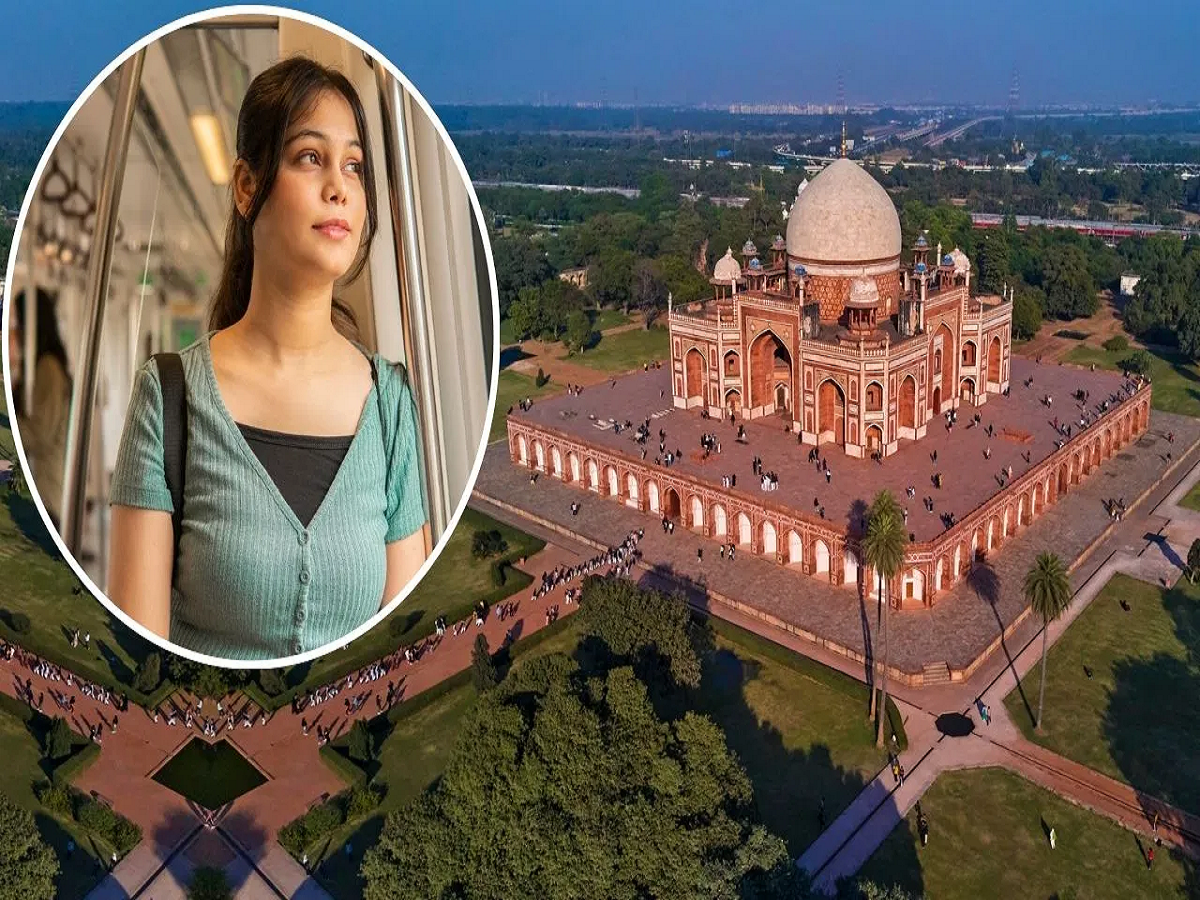
Delhi attracts visitors from across India and around the world, thanks to its rich history, iconic monuments, and modern attractions. From heritage sites to peaceful gardens, the city offers something for everyone. While many landmarks share metro station names, there are several places where knowing the nearest metro stop can make your travel much easier. Since the metro is one of the fastest and most convenient ways to get around Delhi, here’s a simple guide to help you plan your visits better.
If you want to explore Sunder Nursery or Humayun's Tomb, the nearest stop is Jawaharlal Nehru Stadium Metro Station on the Violet Line. From there, you can take a short auto or e-rickshaw ride. Jangpura Metro Station is another nearby option, and Sarai Kale Khan on the Pink Line also provides access.
For a peaceful outing at Lodhi Garden, get down at Jor Bagh Metro Station. The garden is around 1 km away, and you can easily reach it by auto or a quick ride from the station.
If you are planning to visit the Nehru Planetarium, the closest metro stop is Udyog Bhawan Metro Station on the Yellow Line. From here, you can take a cab or auto to reach Teen Murti Marg. Alternatively, Lok Kalyan Marg Metro Station is also a convenient option.
Travelers getting down at Patel Chowk Metro Station can walk to Jantar Mantar, which is just 600–700 meters away. From here, you can also visit India Gate, with nearby metro options including Rajiv Chowk, Janpath, Central Secretariat, and Khan Market.
If you are near GTB Nagar Metro Station, you can visit Nirankari Sarovar, a scenic area known for its greenery, lake, and peaceful environment.
Lastly, from Delhi Gate Metro Station on the Violet Line, you can head to Rajghat, located about 1 to 1.5 km away and easily reachable by auto or cab.
With a little planning and knowledge of nearby metro stations, exploring Delhi becomes much smoother and more enjoyable, allowing you to cover more places efficiently without the hassle of heavy traffic.