The most important requirement of the Pradhan Mantri Kisan Samman Nidhi Yojana is land ownership. The government identifies beneficiaries based on revenue records, i.e., farmers who own cultivable land.
The livelihoods of millions of families in the country depend on agriculture. A large number of these farmers are small-scale farmers or earn their living by working as sharecroppers on other people's land. Amidst limited income and rising expenses, government schemes provide a significant relief for these families. One such scheme is the Pradhan Mantri Kisan Samman Nidhi Yojana, under which eligible farmers are provided financial assistance every year. Under the scheme, ₹6,000 is transferred directly to farmers' bank accounts in three equal installments. So far, 21 installments have been released, and millions of farmers have benefited from it. But the question arises: whether farmers who cultivate or work on other people's land also receive this money. So, let us now explain whether farmers working on other people's farms also receive the Kisan Nidhi funds and what are its rules.
What is the eligibility for the scheme?
The most important requirement of the Pradhan Mantri Kisan Samman Nidhi Yojana relates to land ownership. The government identifies beneficiaries based on revenue records. This means that only farmers who own cultivable land are eligible for the scheme. If a farmer is a sharecropper and the land is not in their name, they will not receive the Kisan Samman Nidhi benefits under current rules. Even if they work diligently in farming, they will not be eligible for the scheme unless the land is registered in their name.
What is the condition of sharecroppers?
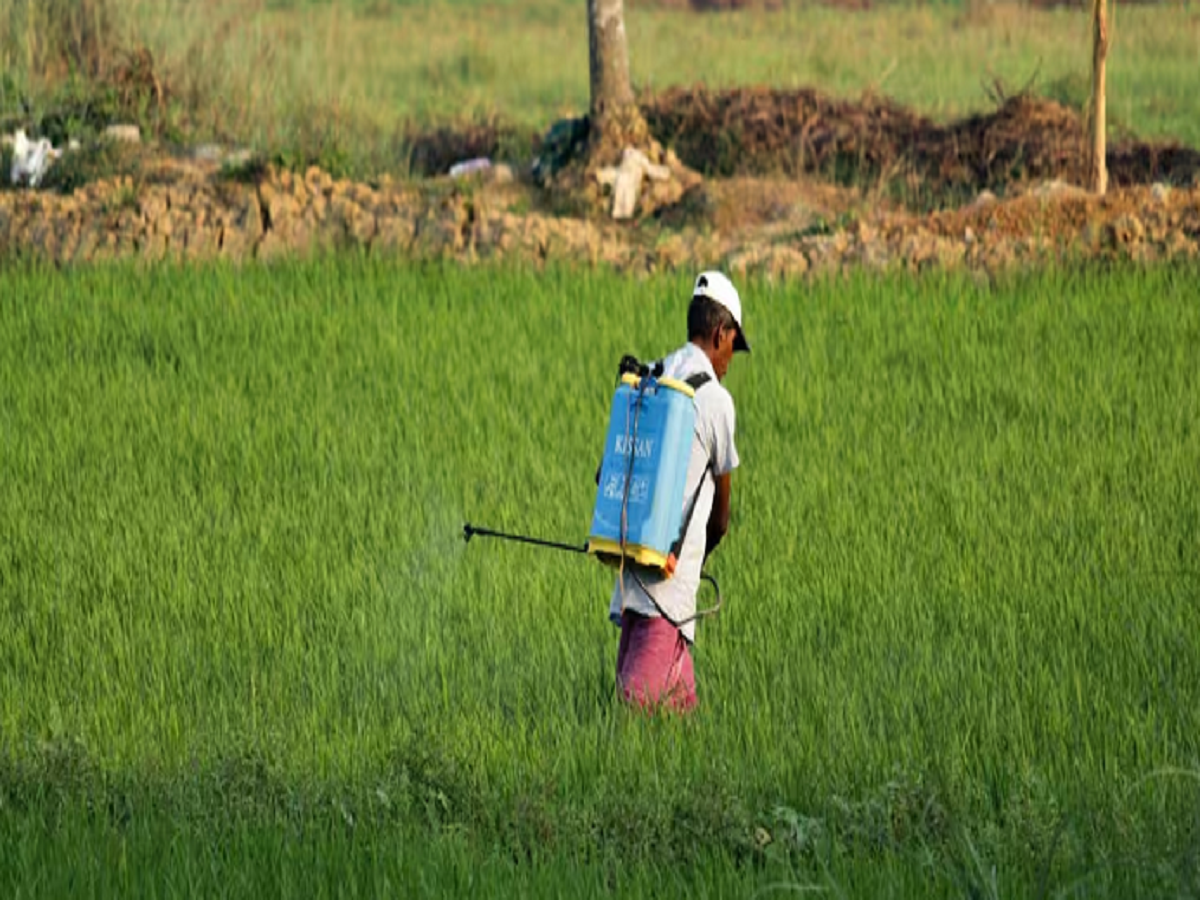
In rural areas, a large number of farmers grow crops on other people's land and, in return, give a portion of the produce to the landowner. These farmers are commonly known as sharecroppers. Although they are the ones who do the farming, they do not own the land documents. This is why they are not directly eligible for this scheme. However, if a sharecropper has even a small amount of land registered in their name, they can avail the scheme's benefits based on their land. However, completely landless farmers are not included in this scheme.
Which farmers get the benefit?
This scheme benefits those who have cultivable land registered in revenue records, small and marginal farmers, families whose primary source of income is agriculture, those whose bank accounts are linked to Aadhaar, and who have completed e-KYC. The government's process is entirely record-based, requiring the completion of formalities such as land transfer, land verification, and e-KYC. Claims are often made on social media that rules are about to change or that sharecroppers will be included. However, no such changes have been officially announced yet.
PC:ABPNews