Acharya Balkrishna Shares Ayurvedic Perspectives
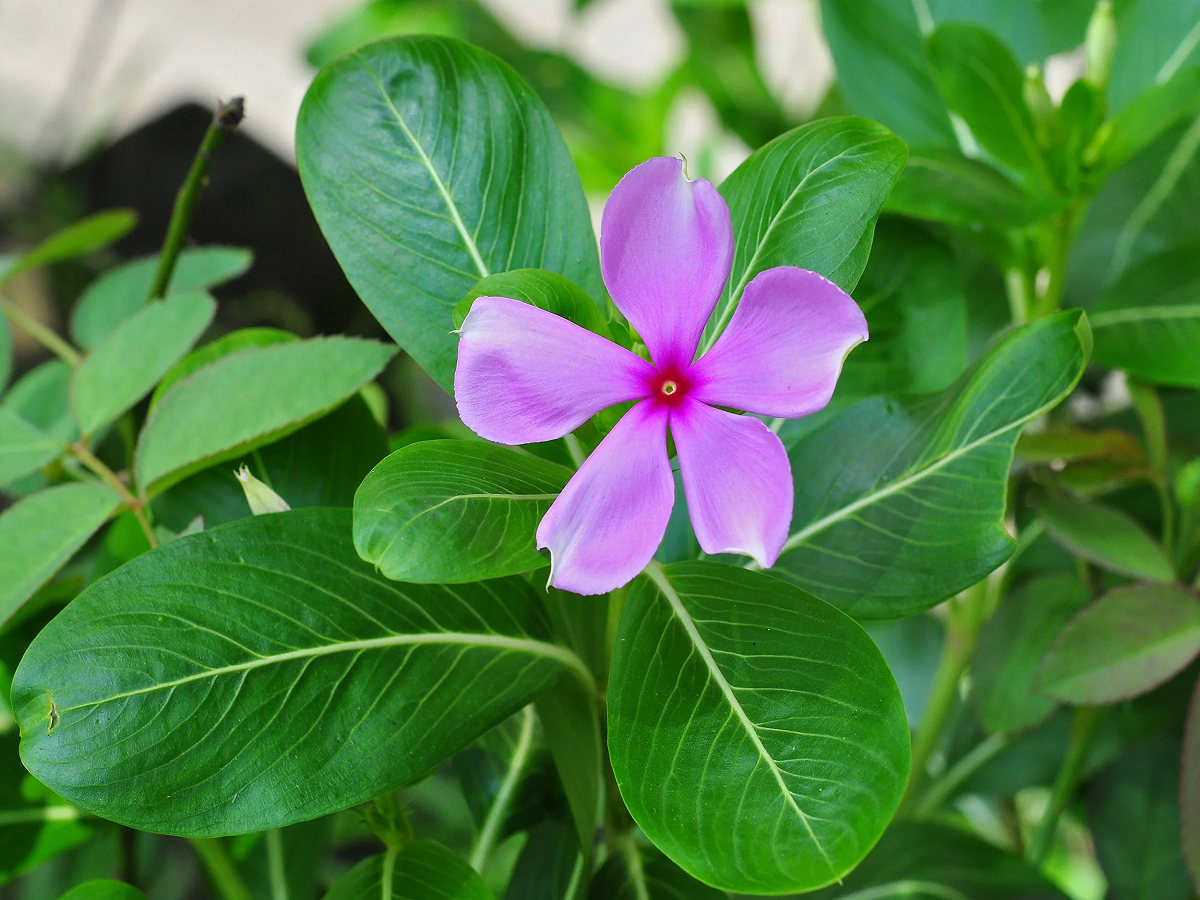
Sadabahar, scientifically known as Catharanthus roseus, is a flowering plant commonly found along roadsides, gardens, and boundary walls. While many people use its flowers for decorative purposes, Ayurveda has traditionally associated Sadabahar with several health-related uses.
According to Ayurvedic expert Acharya Balkrishna, different parts of this plant—flowers, leaves, and roots—have been used in traditional remedies. However, he emphasizes that proper guidance is essential, as the plant is potent in nature.
7 Traditional Ayurvedic Uses of Sadabahar
1. Traditionally Used for Blood Sugar Balance
Acharya Balkrishna mentions that Sadabahar has been referenced in Ayurveda for supporting blood sugar regulation. In folk practices, its leaves and flowers are sometimes combined with vegetables like bitter gourd.
⚠️ Note: Diabetes patients must not replace prescribed medication with herbal remedies without consulting a qualified doctor.
2. Support for Kidney Health (Traditional View)
In Ayurveda, Sadabahar has been used in certain formulations believed to support urinary flow and detoxification.
⚠️ Important: Kidney-related conditions require medical supervision. Self-treatment can be risky.
3. External Use for Insect Stings
Traditionally, the juice of Sadabahar leaves has been applied externally for relief from wasp or insect stings to help reduce irritation and swelling.
✔️ This use is external only and based on folk remedies.
4. Traditionally Associated With Blood Purification
Ayurvedic texts associate blood imbalance with skin issues like boils and pimples. Sadabahar flowers have traditionally been used in such contexts.
⚠️ Modern skin problems may have multiple causes—consult a dermatologist for persistent issues.
5. Used in Ayurveda to Support Physical Strength
Acharya Balkrishna notes that the root of the Sadabahar plant has been mentioned in traditional preparations aimed at improving stamina and vitality.
⚠️ The root is medicinally strong and should never be consumed without expert supervision.
6. Traditional Use in Weight Management
In folk Ayurveda, Sadabahar has been referenced in remedies aimed at metabolic balance, which may indirectly support weight management when combined with diet and lifestyle discipline.
⚠️ There is no scientific substitute for proper diet, exercise, and medical advice in obesity management.
7. External Application for Wound Care (Traditional Practice)
Acharya Balkrishna explains that Sadabahar root paste has traditionally been applied externally to help dry wounds and reduce infection risk.
⚠️ Open or infected wounds should always be examined by a medical professional.
⚠️ Important Health Disclaimer
-
Sadabahar contains alkaloids that are also used in modern cancer medicines under strict medical control
-
Improper dosage or internal use can be dangerous
-
Pregnant women, children, diabetic patients, and kidney patients must not self-medicate
-
Always consult a qualified Ayurvedic doctor or medical professional