AUTO
Driving in the Rain? Check Your Tyre Pressure First—One Small Mistake Could Compromise Your Safety
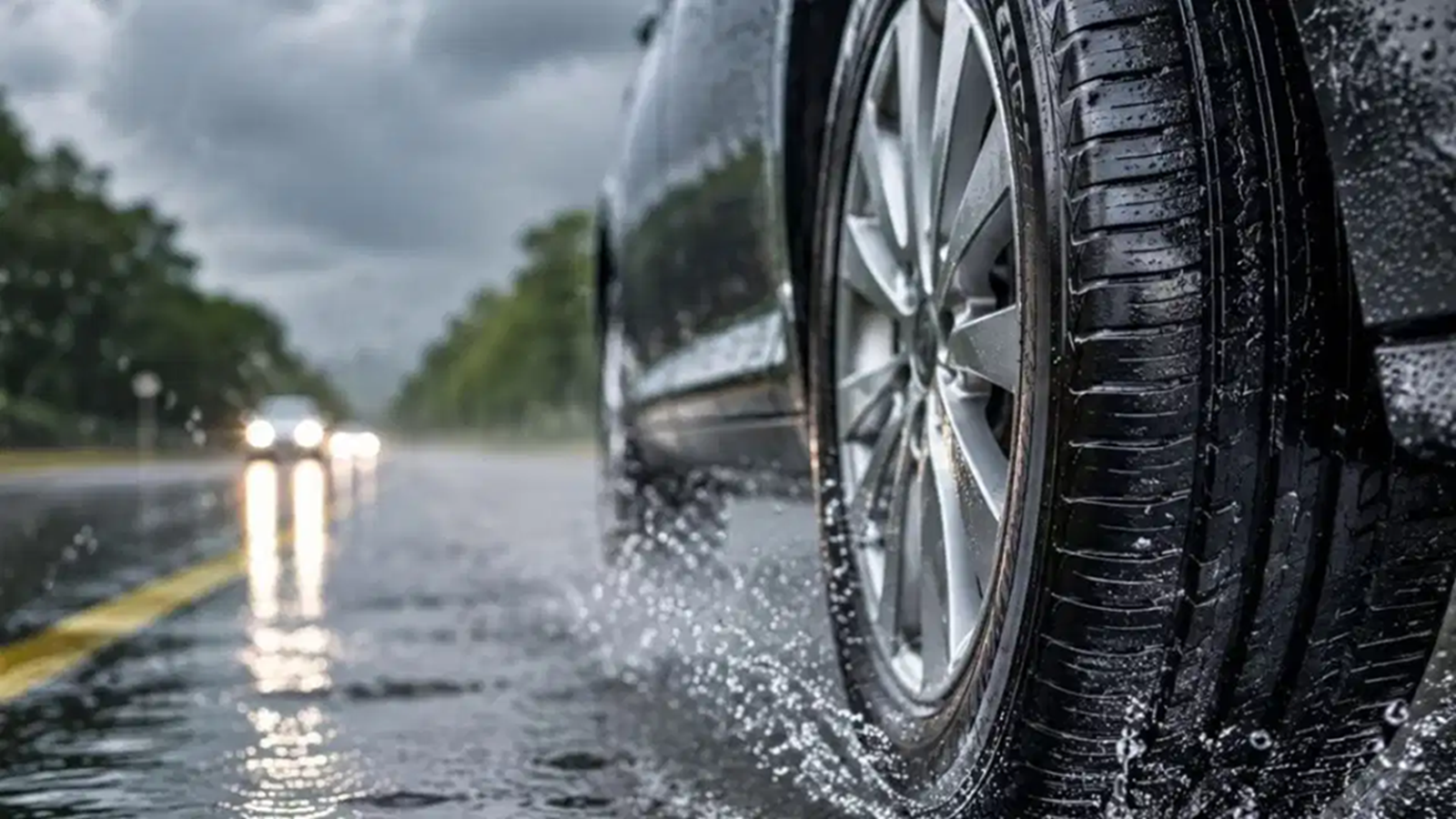
The monsoon season brings cooler weather, lush green landscapes, and the perfect excuse for a road trip. But while driving in the rain can be enjoyable, wet roads also increase the risk of skidding and accidents. One of the most overlooked yet crucial safety checks before heading out is ensuring your car's tyres have the correct air pressure.
Maintaining the right tyre pressure not only improves grip but also enhances braking performance and overall vehicle stability on slippery roads.
What Should Tyre Pressure Be During the Monsoon?
For most passenger cars, the recommended tyre pressure usually falls between 30 and 35 PSI. However, many experts suggest reducing the pressure by 2 to 3 PSI during the rainy season to improve traction on wet roads.
For example, if your car's recommended tyre pressure is 35 PSI, keeping it between 31 and 33 PSI during the monsoon can slightly increase the tyre's contact with the road surface. This helps improve grip, reduces the chances of skidding, and provides better control while braking.
Every Car Has a Different Recommended Pressure
It's important to remember that tyre pressure recommendations vary from one vehicle to another. Instead of relying on a general figure, always check:
-
The tyre pressure sticker on the driver's side door frame.
-
Your vehicle's owner's manual.
Following the manufacturer's recommended tyre pressure ensures the best balance of safety, performance, and fuel efficiency.
Why Too Much or Too Little Air Can Be Dangerous
Incorrect tyre pressure can affect both safety and driving comfort.
Overinflated tyres:
-
Reduce the tyre's contact with the road.
-
Increase the risk of slipping on wet surfaces.
-
Make the ride harsher by transmitting more bumps and vibrations.
Underinflated tyres:
-
Cause faster tyre wear.
-
Reduce fuel efficiency.
-
Make steering feel heavier.
-
Affect the vehicle's balance and handling, especially during sudden turns or braking.
Keeping the tyres at the correct pressure helps maintain stability and improves overall driving confidence in rainy conditions.
Check Tyre Pressure Regularly During the Monsoon
Rainy weather often brings frequent changes in temperature, which can cause tyre pressure to fluctuate. That's why it's a good idea to inspect your tyres regularly throughout the season.
Many modern cars are equipped with a Tyre Pressure Monitoring System (TPMS) that alerts drivers when tyre pressure changes. If your vehicle doesn't have TPMS, you can easily get the pressure checked at a petrol station or authorised service centre.
Final Take
A quick tyre pressure check before setting out during the monsoon can make a significant difference to your safety. Follow your vehicle manufacturer's recommended pressure, inspect your tyres regularly, and avoid both overinflation and underinflation. Combined with careful driving and good tyre condition, the right tyre pressure helps ensure a safer and more comfortable journey, even on rain-soaked roads.