LIFESTYLE
Dryness, Itching and Hair Damage: How Air Pollution Can Affect Your Hair and Ways to Protect It
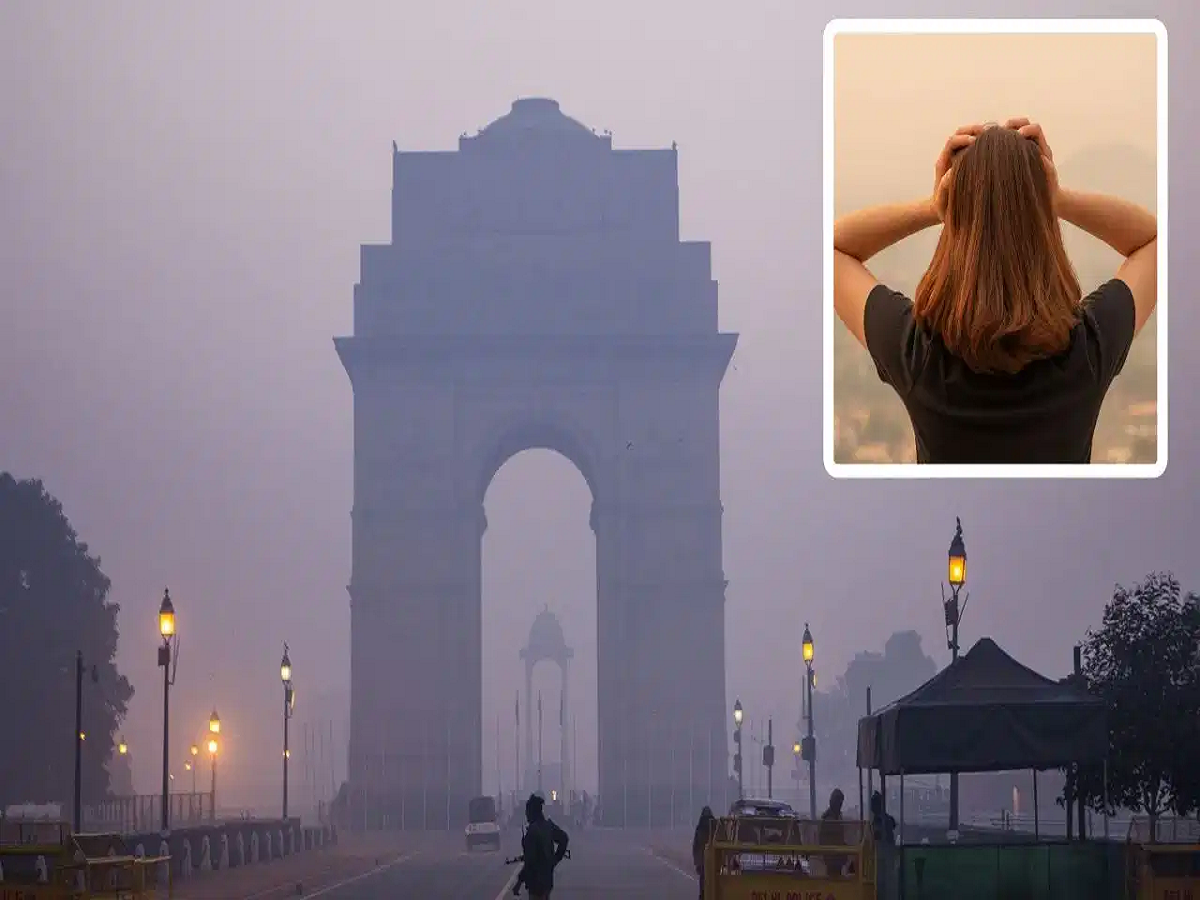
Have your hair started looking dry, rough and lifeless? Are you experiencing increased scalp itching or irritation? Air pollution could be one of the contributing factors. With pollution levels rising in several parts of the country, exposure to dust, smoke and harmful airborne particles has become a growing concern.
Pollution does not affect only our lungs and skin. Fine particulate matter, including PM2.5 and PM10, can settle on the scalp and hair, potentially contributing to irritation, dryness and damage.
If you are spending considerable time outdoors, taking proper care of your hair becomes especially important. Here are some simple ways to protect your scalp and maintain healthy hair during periods of high pollution.
1. Cleanse Your Hair and Scalp Properly
Dust, sweat, oil and environmental pollutants can accumulate on your scalp throughout the day. Regularly washing your hair with a mild shampoo can help remove this buildup and keep your scalp clean.
Some people also use apple cider vinegar rinses as part of their hair-care routine. However, these are not proven pollution-detox treatments and may irritate sensitive scalps if used incorrectly.
Avoid applying undiluted vinegar directly to your scalp. If you experience persistent itching, redness or irritation, consult a dermatologist instead of experimenting with home remedies.
2. Cover Your Hair Before Stepping Outdoors
One of the simplest ways to reduce direct exposure to dust and pollution is to cover your hair when going outside.
You can use a scarf, dupatta or comfortable cap to protect your scalp and hair from airborne particles. Keeping your hair in a braid or bun can also reduce tangling and limit the amount of hair exposed to dust.
Remember to wash scarves and caps regularly so that accumulated dirt does not transfer back to your hair.
3. Apply a Hair Serum for Protection
A suitable hair serum can help reduce friction, control frizz and improve the appearance of dry hair. Many serums contain silicone-based ingredients that coat the hair strands, making them smoother and easier to manage.
Apply a small amount of serum to the lengths and ends of your hair before heading outdoors. It can help reduce dryness and prevent excessive tangling.
However, hair serum does not completely block pollution particles or provide guaranteed protection against environmental damage. Choose a product according to your hair type and avoid applying excessive amounts directly to the scalp.
4. Give Extra Care to Dry and Damaged Hair
Pollution, frequent washing, heat styling and harsh hair products can contribute to dry and rough hair. If your hair has started losing its natural softness, consider adding a few extra conditioning steps to your routine.
Here are some useful habits:
-
Always use a suitable conditioner after shampooing.
-
Apply a hydrating hair mask once a week.
-
Avoid excessive heat styling and use a heat protectant when necessary.
-
Choose gentle shampoos that suit your scalp and hair type.
-
Avoid washing your hair with excessively hot water.
If you use a store-bought hair mask, follow the manufacturer's instructions rather than keeping it on longer than recommended.
Protect Your Hair From Pollution Every Day
Air pollution can contribute to scalp irritation and hair-related problems, although dryness and itching can also result from dandruff, allergies, skin conditions and other factors.
Maintaining a regular hair-care routine, covering your hair outdoors, cleansing your scalp appropriately and using conditioner can help keep your hair healthy.
If itching, redness, excessive flaking or hair fall continues despite proper care, consult a dermatologist to identify the underlying cause.