BUSINESS
Electricity Bill Relief: Government Pushes for Affordable 24x7 Power and Better Consumer Service
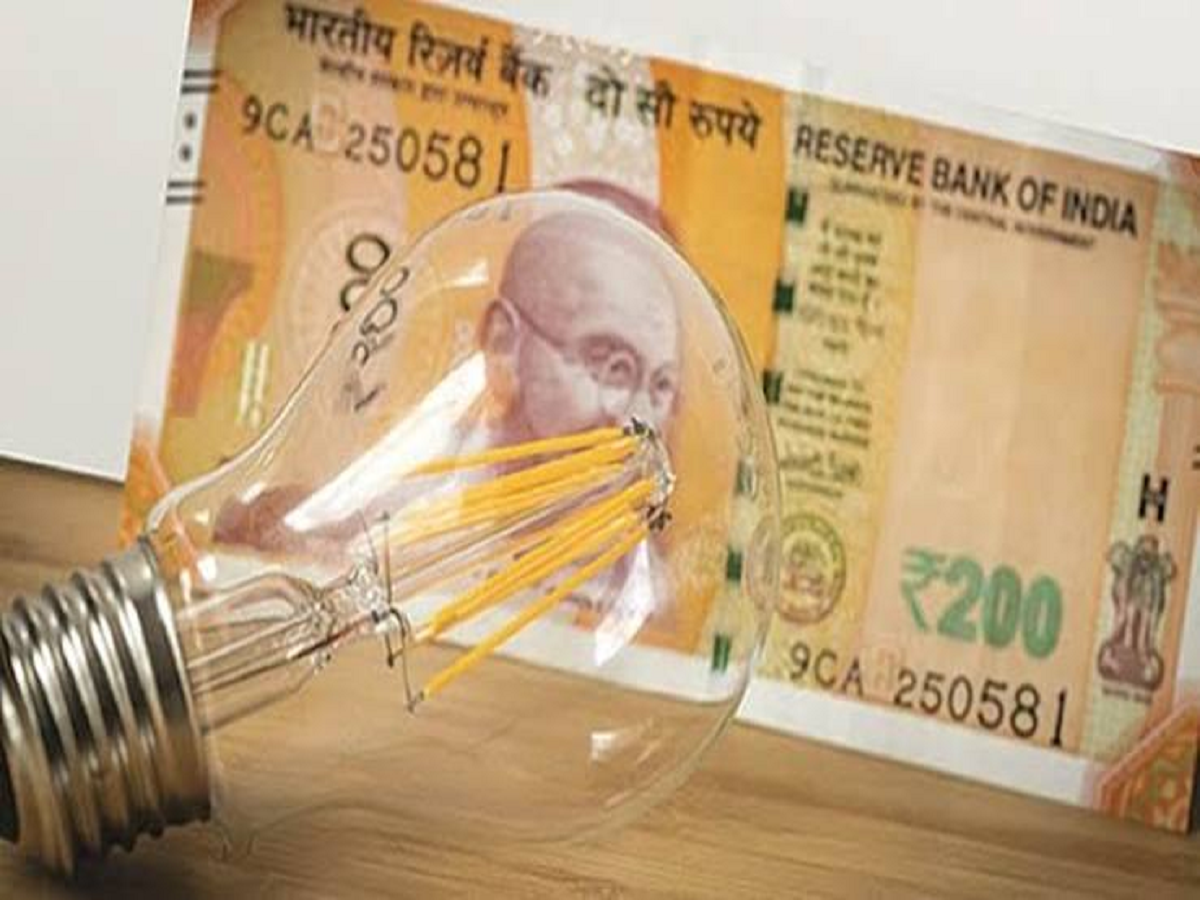
Electricity consumers could see a stronger focus on reliable supply, affordable tariffs and better service as the government works to improve the country's power distribution system.
The Ministry of Power has outlined a framework aimed at balancing the financial health of electricity distribution companies with the interests of consumers. The approach focuses on ensuring that households receive reliable and quality electricity while also making the power sector financially sustainable.
Government Wants Reliable 24x7 Electricity
A key focus of the policy framework is to ensure that distribution companies provide reliable, affordable and quality electricity around the clock.
For consumers, this means the emphasis is not only on generating more power but also on improving the distribution network that delivers electricity to homes and businesses.
A strong distribution system can help reduce supply interruptions and improve the overall quality of electricity service.
Why Electricity Distribution Matters
India has significantly expanded its power-generation capacity, but supplying electricity efficiently to consumers also depends on the strength of local distribution networks.
Problems such as outdated infrastructure, technical losses, billing issues and financial stress among distribution companies can affect the quality and cost of electricity supply.
The government's framework therefore focuses on improving the financial sustainability of the power distribution sector while protecting consumer interests.
Smart Meters Are Becoming More Important
The government is also pushing the adoption of smart prepaid electricity meters through the Revamped Distribution Sector Scheme (RDSS).
Smart meters can allow consumers to monitor electricity consumption more closely and help distribution companies improve billing and collection efficiency. The RDSS was launched to support states and Union Territories in improving the operational efficiency and financial sustainability of their electricity distribution systems.
For households, better metering could mean more transparent information about how much electricity they are consuming.
What Could This Mean for Your Electricity Bill?
The latest policy direction does not mean that every household will immediately receive a lower electricity bill.
Electricity tariffs are determined through the applicable regulatory process, and the final amount consumers pay depends on factors such as consumption, state-level tariffs, fixed charges, taxes and other applicable components.
However, improving distribution efficiency could help reduce wastage and financial losses in the electricity system over time.
Renewable Energy Is Also Changing the Power Sector
India's electricity system is simultaneously undergoing a major renewable-energy expansion.
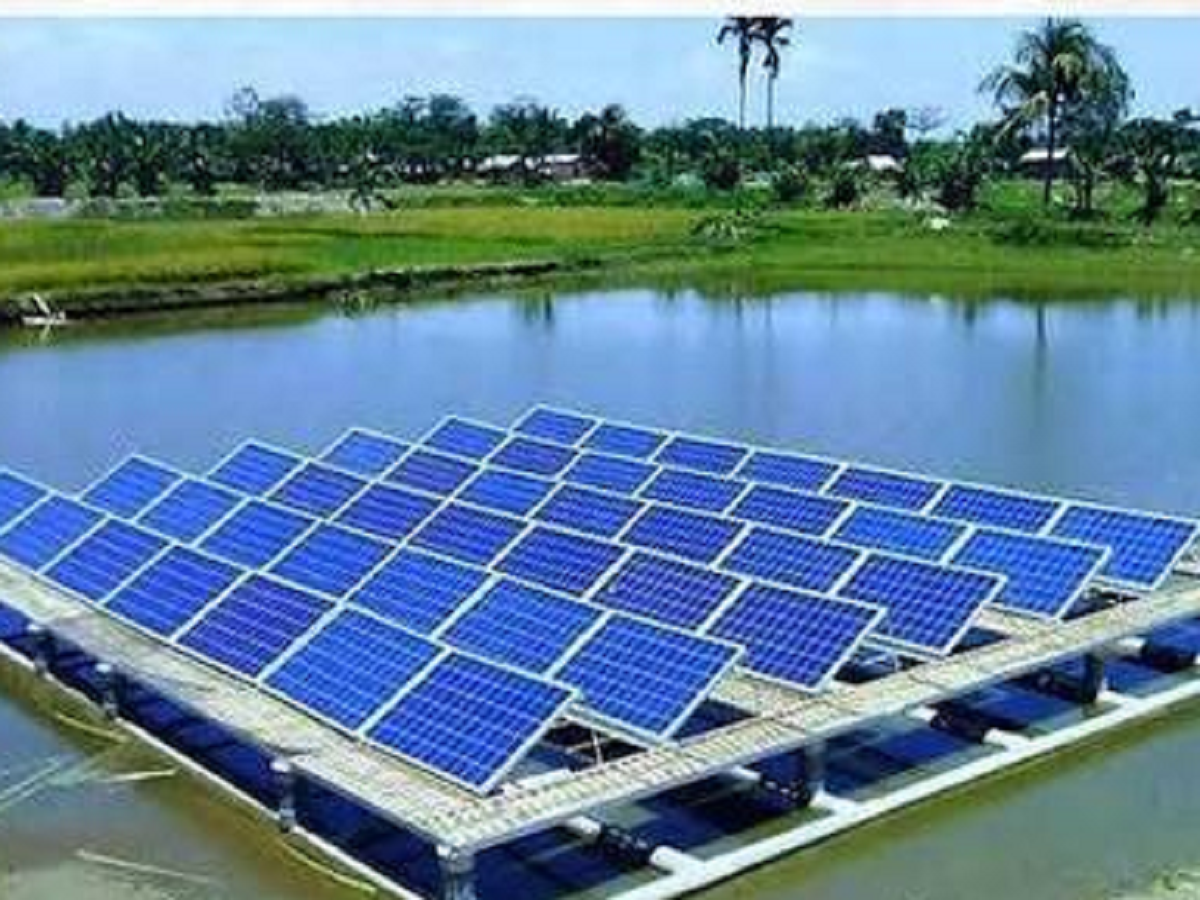
As of July 31, 2026, India's cumulative installed solar capacity had reached approximately 164.6 GW, according to the Ministry of New and Renewable Energy. Total installed renewable-energy capacity stood at about 291.7 GW, excluding large hydropower.
The rapid growth of solar power is also being supported by programmes such as rooftop solar and PM-KUSUM.
Solar Power Could Help Households in the Long Run
For households with suitable rooftops, solar power can provide an additional way to reduce dependence on grid electricity.
The PM Surya Ghar programme has already crossed 50 lakh rooftop solar installations, while July 2026 recorded its highest monthly addition since the scheme began.
This means consumers increasingly have options beyond simply trying to reduce electricity consumption—they can potentially generate part of their own electricity as well.
What Should Consumers Do?
Until any change in local electricity tariffs is announced, consumers should not assume that their bill will automatically fall.
Instead, households can focus on practical steps such as:
-
Checking monthly electricity consumption.
-
Monitoring usage through available smart-meter facilities.
-
Using energy-efficient appliances.
-
Avoiding unnecessary standby power consumption.
-
Checking the electricity bill for unusual increases.
-
Exploring rooftop solar if the property is suitable.
A Bigger Push for Consumer-Friendly Electricity
The government's latest framework highlights an important shift in India's power sector: reliable electricity and financially healthy distribution companies need to work together.
For consumers, the long-term benefit could come from better distribution infrastructure, improved billing systems, more reliable supply and increasing access to renewable energy.
The changes will not necessarily reduce everyone's electricity bill immediately, but they could help create a more efficient and consumer-focused electricity system over time.