BUSINESS
EPF Withdrawal Rules Explained: When Can You Withdraw Your Entire PF Balance? Know What EPFO Allows
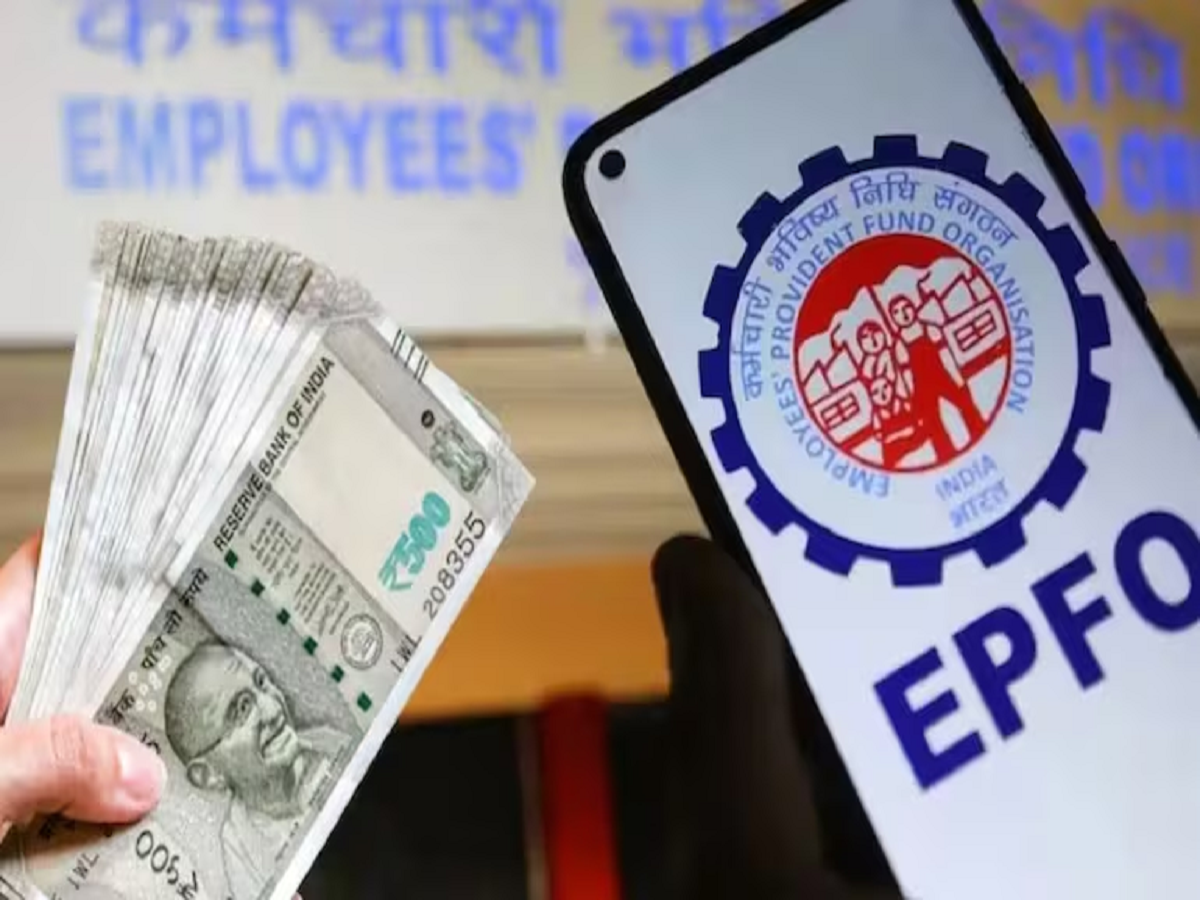
EPF Withdrawal Rules: Many employees wonder whether they can withdraw their entire Provident Fund balance whenever they need money. While the Employees' Provident Fund Organisation (EPFO) allows full withdrawal in certain situations, the rules generally encourage members to preserve their retirement savings. Here's everything you need to know about withdrawing your PF balance.
Can You Withdraw 100% of Your EPF Balance Anytime?
The short answer is no.
The Employees' Provident Fund (EPF) is primarily designed to provide financial security after retirement. Although the EPFO has simplified withdrawal procedures and introduced more digital services over the years, members are not permitted to withdraw their entire PF balance while they are actively employed, except under specific conditions laid down by the organisation.
However, EPFO does permit full withdrawal after retirement or during prolonged unemployment, while partial withdrawals are allowed for several approved purposes.
When Is Full EPF Withdrawal Allowed?
1. After Retirement
The most common situation in which members can withdraw their complete EPF balance is retirement.
Under existing EPFO rules, subscribers can apply for final settlement after attaining the prescribed retirement age. Once eligible, members can withdraw the entire amount accumulated in their EPF account, including eligible employer contributions and accrued interest, subject to applicable rules.
2. During Long-Term Unemployment
EPFO also provides financial relief to members who lose their jobs.
If an EPF member remains unemployed for one month, they can withdraw up to 75% of their accumulated EPF balance.
If unemployment continues for two months or more, the member becomes eligible to apply for withdrawal of the remaining balance as per EPFO guidelines.
This provision is intended to help individuals manage their expenses while searching for new employment.
What Should You Do When Changing Jobs?
Many employees believe they should withdraw their PF every time they switch employers. However, EPFO strongly recommends transferring the EPF account instead of withdrawing the money.
Using the Universal Account Number (UAN), employees can seamlessly transfer their existing EPF balance to their new employer's account.
Keeping the account active offers several advantages:
-
Continuous accumulation of interest.
-
Uninterrupted service history.
-
Better retirement savings over the long term.
-
Avoidance of unnecessary tax implications in certain cases.
Frequent withdrawals after every job change can significantly reduce retirement savings and may also affect long-term financial planning.
Partial EPF Withdrawal Is Allowed for Specific Needs
Although complete withdrawal is restricted, EPFO permits members to withdraw a portion of their accumulated balance for several approved purposes.
These include:
-
Higher education.
-
Marriage expenses.
-
Purchase of a house or flat.
-
Construction of a residential property.
-
Repayment of a home loan.
-
Medical treatment for self or family members.
-
Other approved circumstances specified by EPFO.
The eligibility conditions, service requirements, and withdrawal limits vary depending on the purpose of the claim. Members should check the applicable rules before submitting an advance withdrawal request.
Important Points Before Withdrawing Your PF
Before deciding to withdraw your Provident Fund, it is important to understand its long-term value.
EPF is one of India's most reliable retirement savings schemes because it combines:
-
Mandatory monthly savings.
-
Employer contributions.
-
Annual interest credited by EPFO.
-
Long-term wealth accumulation.
While withdrawing the entire balance may provide immediate financial relief, it can significantly reduce the retirement corpus available in later years.
Unless there is an urgent financial requirement or you qualify under EPFO's withdrawal rules, retaining your PF balance or transferring it to a new employer is generally considered a better long-term strategy.
Frequently Asked Questions
Can I withdraw my full PF balance while I am still employed?
No. Full withdrawal is generally allowed only after retirement or under specific conditions such as prolonged unemployment. During employment, only partial withdrawals are permitted for approved purposes.
How much PF can I withdraw after losing my job?
Members can withdraw up to 75% of their EPF balance after one month of unemployment. If unemployment continues for two months or more, the remaining balance may also be withdrawn according to EPFO rules.
Should I withdraw PF after changing jobs?
In most cases, no. EPFO advises members to transfer their EPF balance to the new employer through the UAN-linked transfer facility. This helps preserve retirement savings, maintains continuous service records, and allows the balance to continue earning interest.
Final Takeaway
The EPF scheme is designed to support employees after retirement rather than serve as a regular source of funds during employment. While EPFO offers flexibility through partial withdrawals and permits complete withdrawal under specific conditions, preserving your PF balance can help build a stronger retirement fund over the long term. Before making any withdrawal decision, review the applicable EPFO rules and assess your long-term financial needs.