BUSINESS
EPFO Pension: How Much Monthly Pension Can You Receive After Retirement? Understand the EPS Calculation
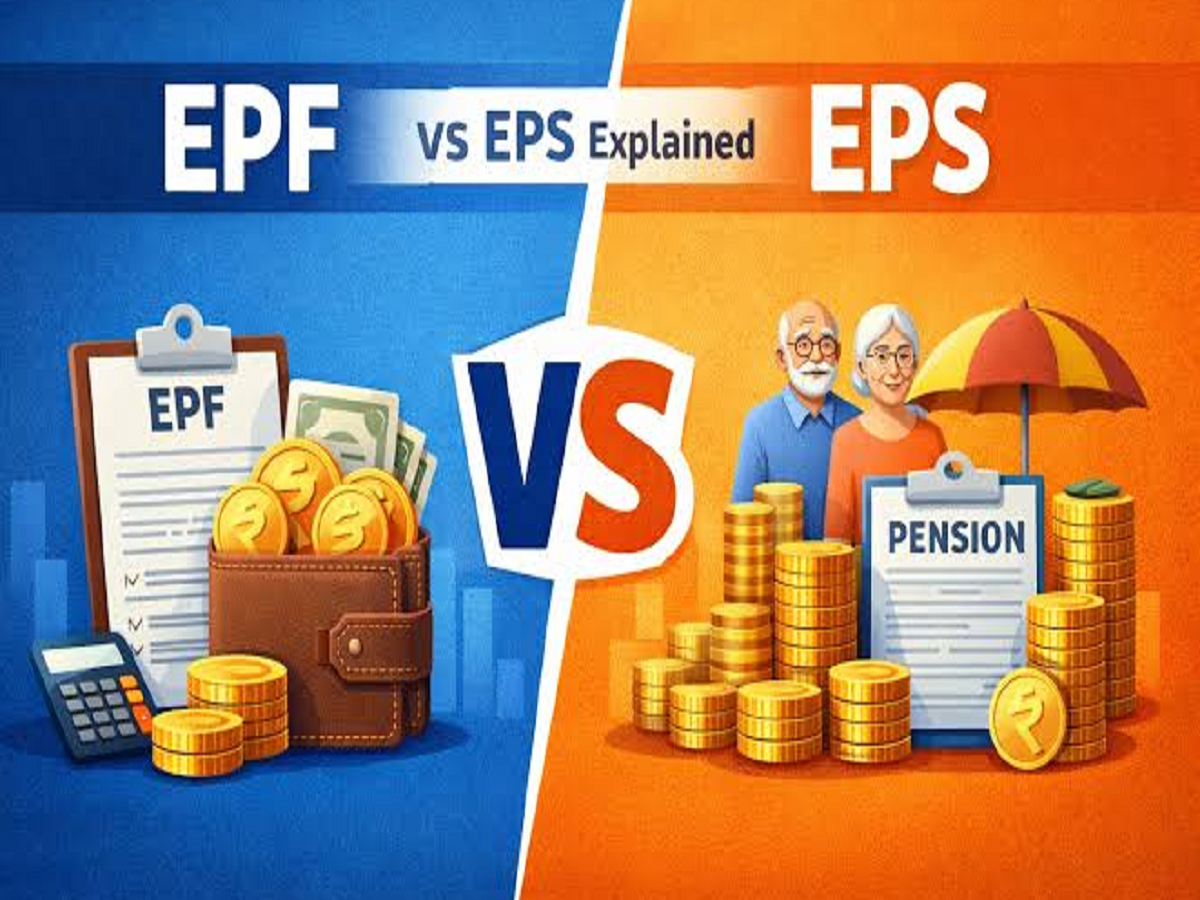
The Employees' Provident Fund Organisation (EPFO) provides salaried employees with two important retirement benefits: the Employees' Provident Fund (EPF) and the Employees' Pension Scheme (EPS). While EPF helps employees build a retirement corpus through regular contributions, EPS provides a monthly pension to eligible members after retirement.
However, many employees are unsure about how their pension is calculated, how much they can receive and what salary is considered for the calculation. Understanding these rules can help employees plan their retirement more effectively.
What Is the Employees' Pension Scheme?
The Employees' Pension Scheme, 1995, was introduced by EPFO to provide financial support to employees after retirement.
A portion of the employer's contribution to the EPF is directed towards EPS, subject to the applicable wage ceiling and rules. Employees do not make a separate direct contribution to EPS from their salary.
Under the standard contribution structure, 8.33% of the employer's contribution is allocated to the pension scheme, subject to the prescribed limits. The Central Government also contributes towards EPS under the applicable provisions.
Who Is Eligible for a Monthly EPFO Pension?
Employees generally become eligible for a monthly pension after completing at least 10 years of eligible pensionable service.
The regular pension is normally available after reaching 58 years of age. Members can also choose to take an early reduced pension from the age of 50, provided they meet the eligibility requirements.
If a member leaves employment before completing 10 years of eligible pensionable service, withdrawal benefits or a scheme certificate may be available, depending on the circumstances and applicable rules.
How Is the Monthly Pension Calculated?
EPFO calculates the monthly pension using a prescribed formula:
Monthly Pension = Pensionable Salary × Pensionable Service ÷ 70
Pensionable salary is generally calculated using the average monthly salary over the last 60 months of pensionable service, subject to the applicable wage ceiling and rules.
Pensionable service refers to the eligible period of service during which contributions were made to the pension scheme. Certain conditions, including the treatment of service beyond 20 years, can affect the calculation.
Example: How Much Pension Can an Employee Receive?
Suppose an employee has a pensionable salary of ₹15,000 and completes 25 years of eligible pensionable service.
Using the standard formula:
Monthly Pension = ₹15,000 × 25 ÷ 70
The calculated monthly pension would be approximately ₹5,357.
This is an illustrative calculation. The actual pension depends on the member's pensionable salary, eligible service period, applicable wage ceiling and other EPFO rules.
Can Employees Receive a Higher Pension?
The Supreme Court's November 2022 judgment and subsequent EPFO procedures allowed eligible employees to apply for a higher pension based on actual salary, subject to the applicable conditions.
However, this option was not automatically available to every EPF member. Eligibility depended on factors such as membership history, previous contributions and the applicable joint-option requirements.
Employees should therefore check their pension records and the latest EPFO instructions rather than assuming that their entire basic salary will automatically be considered for pension calculation.
What Happens If an Employee Changes Jobs?
Changing jobs does not necessarily mean that an employee loses their pensionable service.
The UAN helps connect different EPF Member IDs associated with an employee's employment history. When an employee changes jobs, eligible pensionable service can be carried forward, subject to the applicable transfer and record requirements.
This is important because pensionable service plays a major role in determining the final monthly pension.
Why Should Employees Understand EPS Before Retirement?
EPF and EPS serve different purposes. EPF builds a retirement savings balance that can be withdrawn under applicable conditions, while EPS provides a regular pension to eligible members.
Employees should regularly check their service history, UAN details and pension contributions. Any discrepancy in employment records or missing service details should be addressed well before retirement.
Understanding the EPS formula and eligibility conditions can help salaried employees estimate their future pension and avoid confusion when they approach retirement.