Buying an electric car can save money on fuel and maintenance, but the battery remains one of the vehicle's most expensive components. That's why proper charging habits are essential for maintaining battery performance and avoiding unnecessary repair or replacement costs.
With home wallboxes, public DC fast chargers and charging apps becoming increasingly common, charging an EV is easier than ever. However, certain charging mistakes can put unnecessary stress on the battery and, in some cases, create safety risks.
Here are some common mistakes EV owners should avoid.
1. Don't Use Damaged or Uncertified Charging Equipment
Never use a charging cable that is cracked, frayed, damaged or showing signs of overheating. It's also better to avoid cheap or uncertified charging equipment.
Damaged components can create excessive heat and increase the risk of electrical faults. Always use charging equipment recommended by your vehicle manufacturer and have damaged cables replaced rather than attempting makeshift repairs.
2. Don't Rely on DC Fast Charging for Every Charge
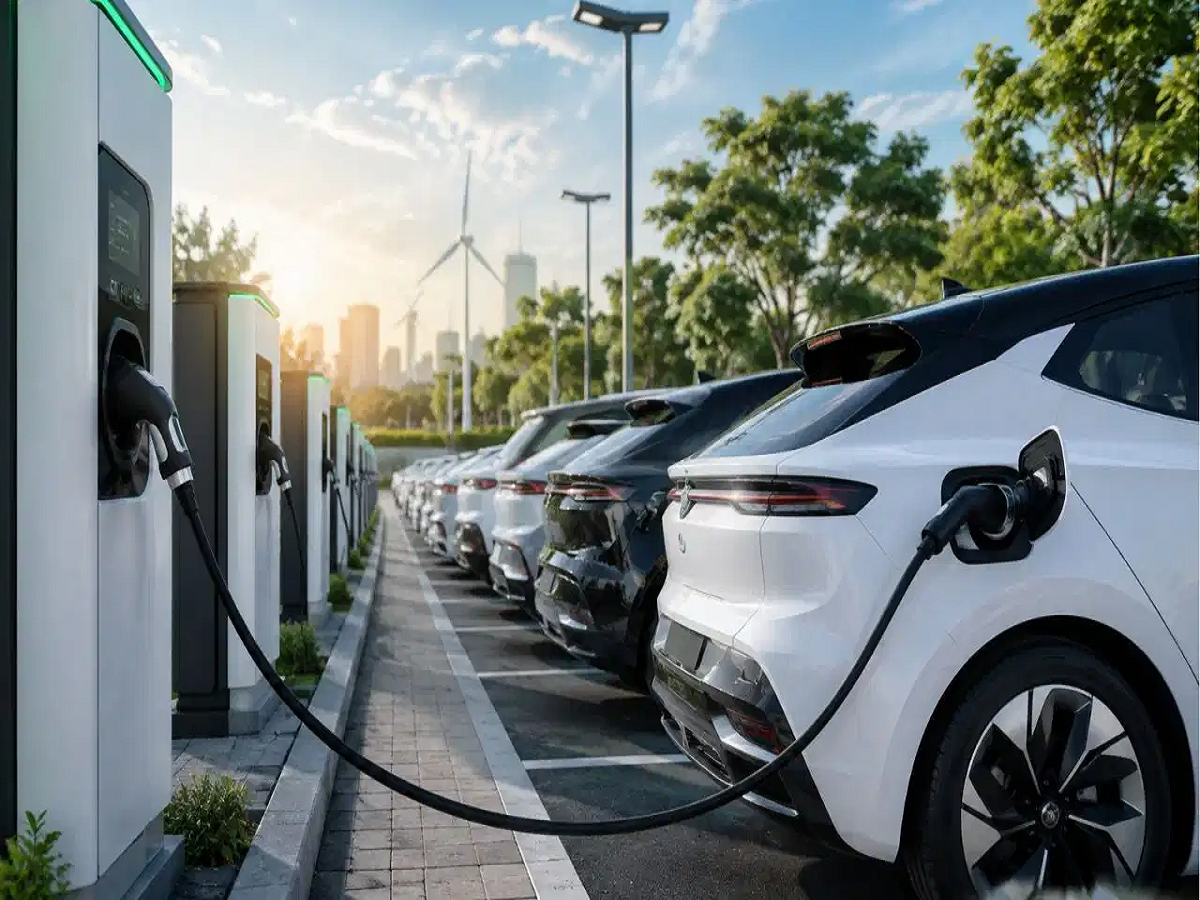
DC fast charging is extremely useful when you're travelling and need to add range quickly. However, there's generally no need to use it for every charging session if you have convenient access to slower AC or wallbox charging at home.
Frequent high-power charging can generate more heat and may contribute to faster battery degradation over time, depending on the vehicle and battery chemistry.
For everyday charging, follow your manufacturer's recommendations and use fast charging primarily when you actually need it.
3. Avoid Charging to 100% Every Day
For many EVs, keeping the battery within a moderate state-of-charge range for everyday driving can help reduce battery stress.
If your daily commute doesn't require a full charge, you can use the charging limit recommended by your manufacturer. Many modern EVs allow owners to set a maximum charging percentage.
A 100% charge can still be appropriate when you're preparing for a long journey—just follow the battery-care guidance provided for your specific vehicle.
4. Avoid Using Ordinary Extension Cords
EV charging can draw substantial electrical power for extended periods. A regular household extension cord may not be designed to handle that load safely.
Using an unsuitable extension cord can cause overheating and increase the risk of electrical damage or fire. Instead, use a properly installed charging point or the charging setup recommended by your car manufacturer.
5. Don't Regularly Let the Battery Fall Extremely Low
Repeatedly driving until the battery is almost completely depleted isn't a good charging habit.
Try to recharge the vehicle before the battery reaches an extremely low state of charge, particularly if you have easy access to charging. However, there's no need to panic if the battery occasionally gets low—modern EVs have battery-management systems designed to protect the pack.
Protect Your EV Battery With Simple Habits
Your EV's battery is a major part of the vehicle's overall value, so taking care of it can pay off in the long run. Use the correct charging equipment, avoid unnecessary reliance on fast charging, follow the manufacturer's recommended charging limit and ensure your home charging installation is safe and properly rated.
Most importantly, don't blindly follow a one-size-fits-all 20–80% rule. Battery chemistry and manufacturer recommendations differ, so check your vehicle's owner's manual for the best charging practice for your particular EV.