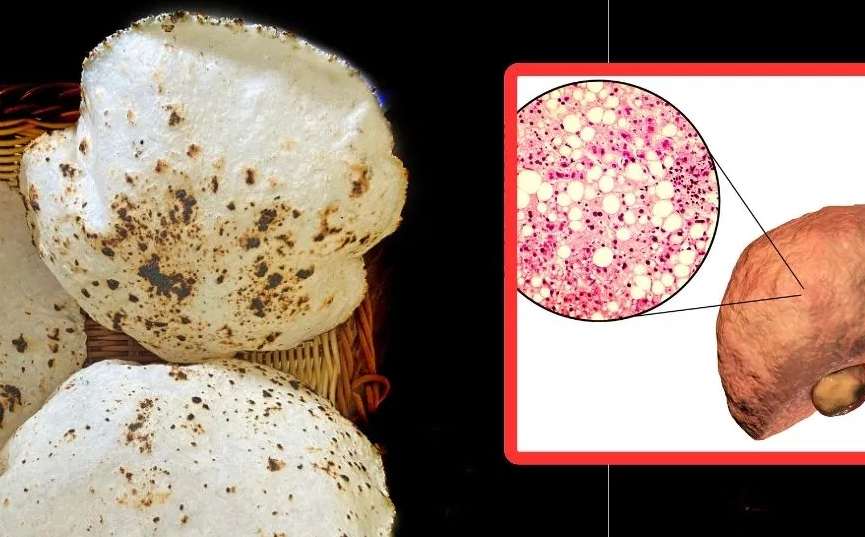
Fatty liver has become a very common lifestyle-related health problem today. Even people diagnosed with grade 1 or grade 2 fatty liver often take it lightly, which can later lead to issues such as acidity, indigestion, bloating, constant tiredness, and metabolic disorders. One of the biggest challenges patients face is confusion about what to eat and what to completely avoid. Many food-related myths add to this confusion.
One such common question is whether wheat roti or wheat-based foods should be eaten when you have fatty liver. Senior dietitian Geetika Chopra shared her expert opinion on this topic in an exclusive interaction with TV9.
Types of fatty liver
Fatty liver is mainly of two types—alcoholic and non-alcoholic. Alcoholic fatty liver is caused by excessive alcohol consumption. Non-alcoholic fatty liver develops due to overeating, junk food, fried food, high sugar intake, and lack of physical activity. Diet plays a key role in managing both conditions.
Should you eat wheat roti if you have fatty liver?
According to the expert, the answer is not a simple yes or no. It depends on the type of wheat, portion size, and the way it is consumed. Refined wheat products such as maida, white bread, bakery items, naan, kulcha, and pizza base should be strictly avoided. These foods cause frequent blood sugar spikes.
Repeated blood sugar spikes increase insulin levels, and excess glucose gets converted into fat and stored in the liver. This directly worsens fatty liver. That is why people consuming refined flour regularly are at a much higher risk.
However, whole wheat in limited quantity is not harmful. Whole wheat roti digests slowly and helps control glucose absorption, reducing stress on the liver. Still, relying only on wheat is not recommended, as it may lead to lower overall fiber intake, which is essential for liver recovery.
Best flours for fatty liver patients
Jowar roti helps keep blood sugar stable due to its low glycemic index and supports reduction of liver fat.
Millet roti is rich in fiber and magnesium and improves insulin sensitivity, making it ideal for winter consumption.
Ragi roti supports gut health and liver metabolism and is rich in calcium.
Multigrain flour made with wheat, jowar, millet, and chana provides high fiber and balanced nutrition.
Oats-based foods are also beneficial as oats contain soluble fiber that helps control liver fat and cholesterol.
Important dietary tips
The problem is not roti itself, but overeating it. Eating too much wheat reduces dietary fiber variety and slows liver healing. Limit intake to one or two rotis per meal, regardless of the flour type. Avoid all refined flour products completely. Along with diet, physical activity is essential to improve digestion and liver function.