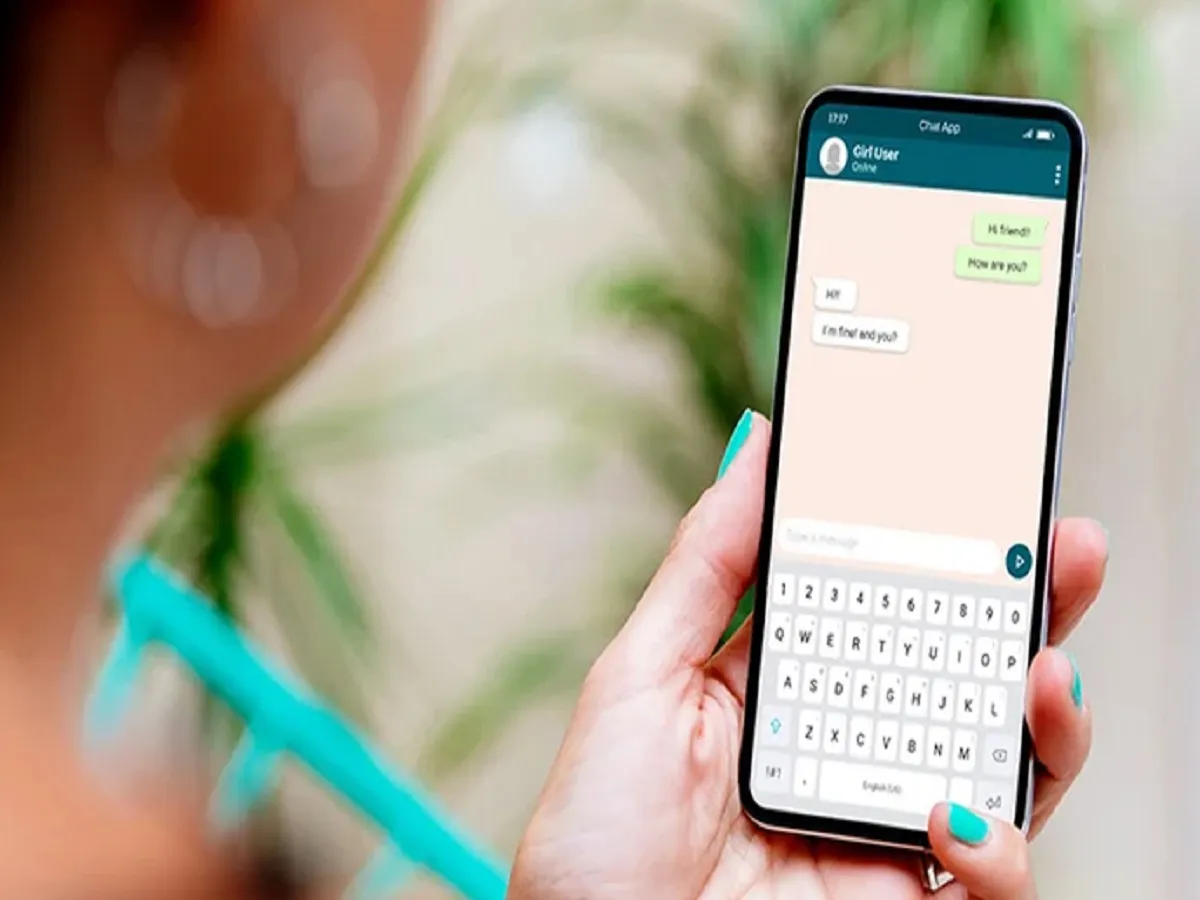
For nearly twenty years, our relationship with smartphones has been exactly the same: you want to get something done, you unlock your screen, find a specific app icon, open it, and manually tap your way through a menu.
But a massive shift is officially underway. Tech giants are quietly moving away from traditional applications and building a future centered around "Agentic AI"—intelligent systems designed to act on your behalf across the digital world, almost entirely in the background.
If you are tired of app fatigue, notification overload, and constantly juggling different accounts, this technological leap is going to feel like magic. Here is exactly how AI agents work, why they are replacing apps, and how they will redefine your daily life.
What is an AI Agent? (And How It Differs From Chatbots)
To understand this shift, you have to separate yesterday’s AI from tomorrow's tech.
-
The Chatbot Era: Up until recently, tools like ChatGPT or standard voice assistants were reactive. You gave them a prompt, and they generated text, images, or a basic answer. They couldn't actually do anything for you outside the chat box.
-
The Agent Era: An AI agent is autonomous software capable of reasoning, planning multi-step actions, and executing tasks directly across the web. Instead of just writing an itinerary for your upcoming holiday, an AI agent can open a browser, compare flight times, negotiate prices, book the hotel, and log the dates straight into your calendar.
The App-to-Agent Workflow Shift
To see how drastic this change is, think about a common weekend routine: organizing a dinner catch-up with friends. Under the old smartphone model, this requires a text-heavy, multi-app headache.
The chart below shows how an AI agent compresses that entire process into a single command:
| The Old Way (App-Centric) | The New Way (Agent-Centric) |
| 1. Open restaurant apps to find a top-rated spot. | You say or type to your device: |
| 2. Open messaging apps to coordinate a date and time with friends. | "Book a table for four at a highly rated Italian spot nearby for Friday at 7 PM. Invite Mark and Sarah, and reserve a ride to get me there by 6:45 PM." |
| 3. Open your calendar app to manually block off the time. | |
| 4. Open ride-hailing apps at 6:30 PM to book a vehicle. | The Agent Executes Everything Dynamically |
Instead of making you navigate four separate user interfaces, specialized AI agents talk to each other through the cloud to handle the booking, send out the calendar invites, and secure your ride seamlessly.
Why Big Tech is Racing to Kill Apps
Major players are already laying the groundwork for this transition. Apple is deep-linking Apple Intelligence into the core architecture of iOS, allowing Siri to take actions inside your apps for you. Meanwhile, Microsoft recently showcased specialized systems designed to dynamically generate "Just-In-Time" user interfaces—interfaces that build themselves on your screen to complete a specific task and then dissolve out of existence once the job was done.
The motivation is simple: convenience wins. Consumers are suffering from app fatigue. We don't want to maintain eighty different passwords, clear app caches, or constantly download updates just to order food or buy a movie ticket. We just want the task done.
The Roadblocks Ahead: Trust and Privacy
While the convenience of having an artificial assistant handle your digital chores sounds incredible, it opens up massive conversations around cybersecurity and privacy.
For an AI agent to truly work on your behalf, it needs access to your payment details, your precise location data, and your personal calendars. Security analysts note that tech companies will have to adopt strict "Zero-Trust" architectures and local, on-device encryption to ensure these agents can't be hijacked by bad actors to make unauthorized purchases or steal sensitive personal data.
The grid of colorful icons that has dominated our screens since the launch of the original smartphone is drawing to a close. As mobile design trends shift toward ambient intelligence, your phone will stop feeling like a pocket-sized computer filled with software, and start acting like a highly capable executive assistant.