From wiping back to front to spending too long scrolling on your phone, these are the nine common bathroom habits you must immediately break to protect your health and well-being.
Do you often find yourself spending excessive time in the bathroom, perhaps scrolling endlessly on your phone? While this may seem like a harmless modern habit, it can inadvertently lead to various health risks. One of the most significant and often overlooked is the increased risk of developing conditions like haemorrhoids.
To shed light on better bathroom hygiene and practices, Dr Joseph Salhab, a prominent gastroenterologist specialising in liver, pancreas, nutrition, and digestive health, recently shared nine crucial bathroom habits everyone should avoid.
9 Bathroom Mistakes You Should Avoid
Here are nine bathroom practices to eliminate from your routine for better health:
1. Wiping Back to Front
This wiping direction can significantly increase the transfer of bacteria from the anal region to the urethra.
Dr Salhab warns that wiping back to front could potentially increase the risk of developing a Urinary Tract Infection (UTI). A 2024 study published in Cureus also reinforced that wiping from front to back is the safer and recommended practice to minimise this risk.
2. Excessive Toilet Sitting and Phone Scrolling
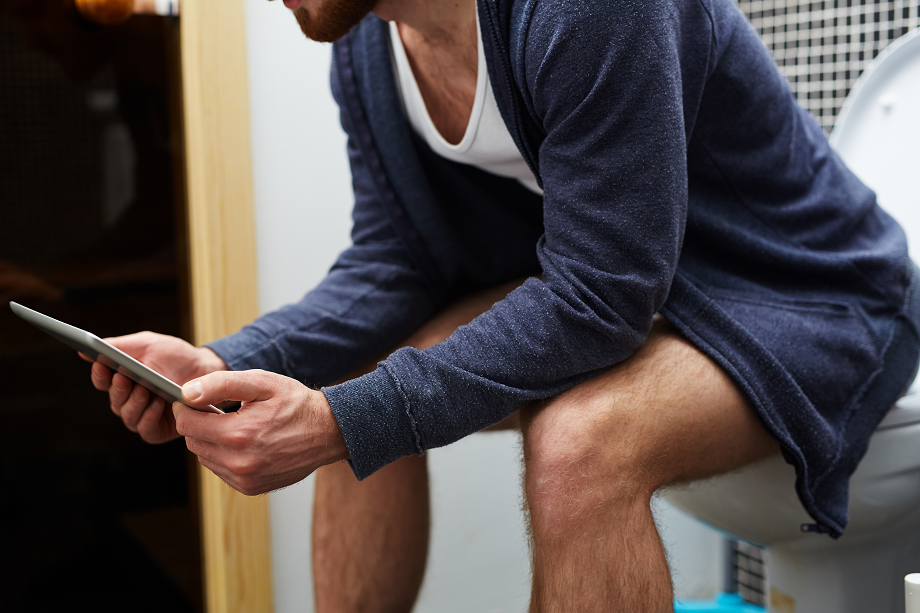
Sitting on the toilet for extended periods, often due to distraction from scrolling on your phone, puts undue strain and pressure on the rectal veins.
Scrolling your phone for more than five minutes while seated on the toilet can contribute to the development of haemorrhoids. According to Johns Hopkins Medicine, haemorrhoids are essentially swollen, inflamed veins in the anus or lower rectum that can protrude and cause pain, itching, and bleeding.
3. Ignoring Constipation for More Than Three Days
Chronic or prolonged constipation means stool remains in the colon for too long, becoming hard and difficult to pass.
Dr Salhab emphasises that if constipation lasts for more than three days, it can lead to painful, difficult bowel movements and potentially contribute to conditions like anal fissures or haemorrhoids. It is highly recommended to consult a healthcare provider if you experience severe pain or persistent constipation.
4. Relying on Wet Wipes
Many commercially available wet wipes contain ingredients and fragrances that can be irritating to sensitive skin.
Dr Salhab warns against using wet wipes as they can cause dermatitis. He strongly recommends using a bidet instead, as water cleansing is gentler and more effective without irritating chemicals.
5. Improper Posture
The standard sitting posture on a modern toilet keeps the colon (rectum) at an angle, requiring more straining to pass stool.
The expert suggests raising your feet while passing stool. Elevating your feet with a small footstool helps to straighten the anorectal angle, leading to a more complete and easier bowel movement, reducing strain.
6. Flushing before Covering the Lid
Dr Salhab advises against flushing before closing the toilet lid as it can release microscopic particles, including potential pathogens, into the air, or what he calls ‘poop in the air’. Research has shown that flushing the toilet with the lid down can decrease the release of airborne particles by around 50%, promoting a cleaner environment.
7. Neglecting to Clean Your Phone
Your phone is exposed to the airborne germs and surfaces of the bathroom every time you bring it in. Dr Salhab points out that not wiping your phone after using it inside the toilet can lead to germs spreading as you touch your phone and then other surfaces. Your phone becomes a constant vector for contamination.
8. Not Observing Stool Before Flushing
He advises looking inside the toilet before flushing. This practice is vital for identifying any warning signs regarding the colour, consistency, or shape of your stool that could indicate an underlying health issue, allowing for earlier detection and intervention.
9. Ignoring Blood in the Stool
Dr Salhab emphatically warns that blood in stool is never a positive sign and always warrants professional attention. While it can be caused by benign issues like haemorrhoids or anal fissures, it can also be a sign of more serious conditions. You must get an evaluation done by a healthcare provider at the earliest.
Image courtesy: Freepik