LIFESTYLE
Global warming and the new cause of cancer: Experts warn against the increasing use of plastic
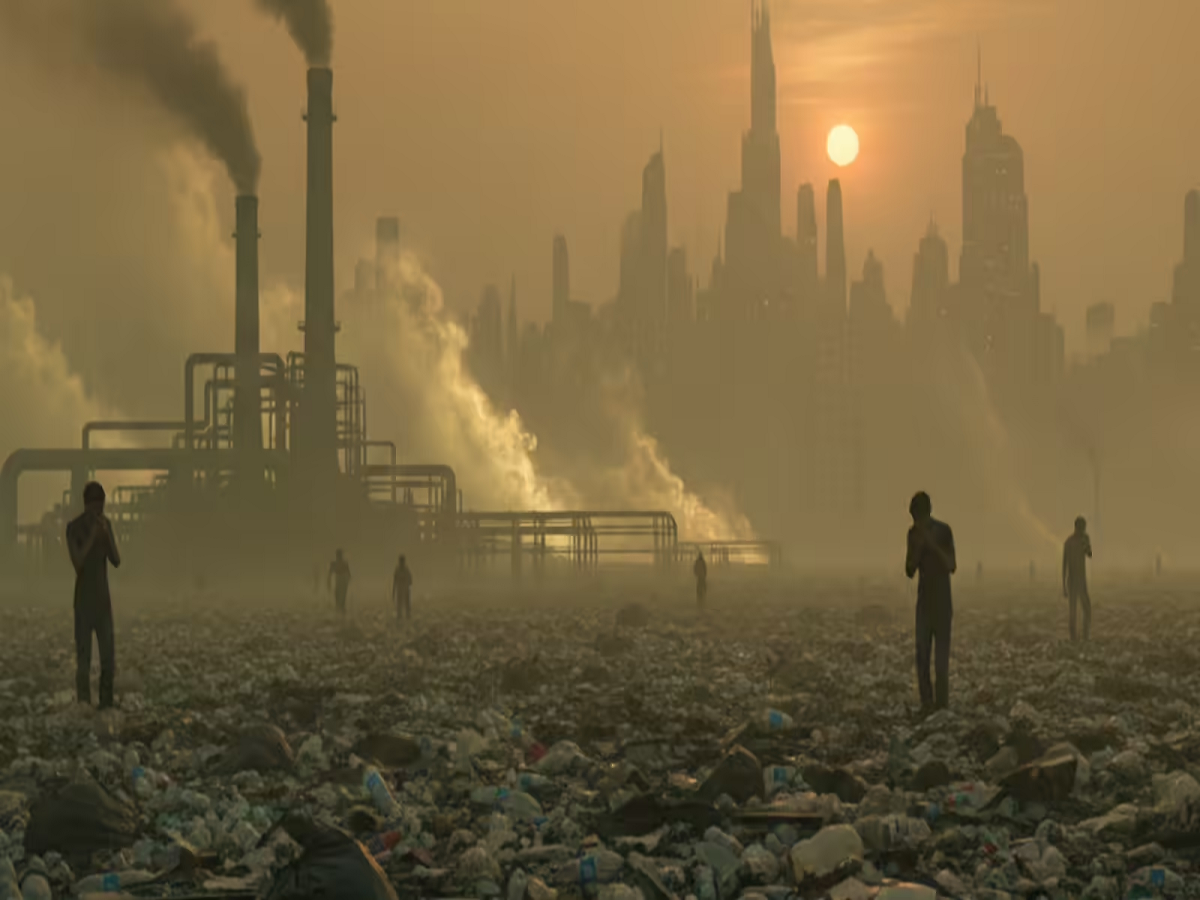
The harm caused by plastic isn't limited to its waste. Its entire lifecycle, from raw material extraction to polymer production and finally, incineration, is toxic. The greenhouse gases, particulate matter, and hazardous chemicals released during this process directly harm the human body.
The study found that the greatest health hazards are caused by plastics, both during their initial production stage and after use, when they are burned in the open. This not only contributes to air pollution but also increases the risk of cancer and other serious respiratory diseases.
The crisis will deepen by 2040
Researchers have warned that the total emissions from the plastics system, including air pollutants and toxic chemicals from factories, are causing severe health impacts. Unless drastic action is taken in time, the burden on environmental and health systems will become unbearable in the coming years. Scientists believe that global plastic production should not peak until 2100, as current infrastructure is already overloaded.
Policy challenges
The biggest obstacle in the fight against plastic pollution is the lack of complete disclosure of its chemical composition. Until all the chemicals used in plastic are publicly available, it is difficult to formulate effective safety policies. Experts from several leading institutions, including the London School of Hygiene & Tropical Medicine, have emphasized that accurate assessment of the plastic lifecycle can lay the foundation for a sustainable economy and improved health in the future.
Cut down on virgin plastic
The most effective way to address this crisis is to drastically reduce the production of "primary" or "virgin" plastic. Relying on recycling alone will not solve this problem. Experts recommend a global policy that controls the initial production of plastic.
Limiting the use of unnecessary plastic products and promoting their alternatives has become the need of the hour. Fortunately, more than 175 countries have agreed to create a "Global Plastic Treaty." This treaty could prove to be a milestone in this direction, helping to control plastic emissions and the diseases they cause.
The increasing use of plastic is not just an environmental problem, but also points to a serious public health emergency. Collective efforts and strong policy changes are essential to protect future generations from this web of diseases.