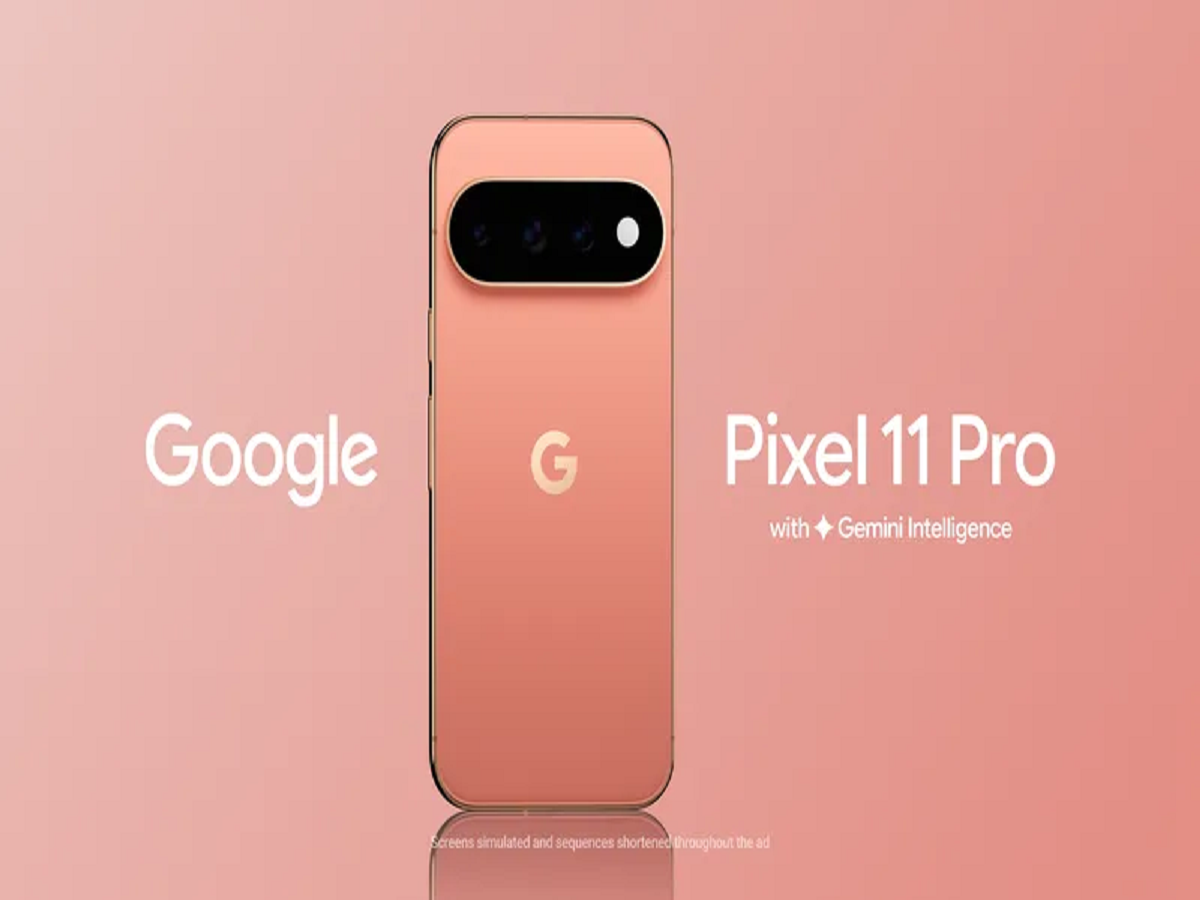
Google has unveiled its new Pixel 11 smartphone lineup, putting artificial intelligence at the centre of its latest devices. The company has introduced new AI-powered features aimed at improving photography, communication and everyday smartphone use.
The launch comes as smartphone makers increasingly compete not only on cameras and processors but also on how deeply AI can be integrated into everyday tasks.
AI Takes Centre Stage on Pixel 11
Google has added several new AI-powered tools to the Pixel 11 series. The company is focusing on features that can help users capture, edit and understand content more easily.
Among the highlighted capabilities are tools for extracting photos from videos, improved speech-to-text functionality, enhanced video stabilisation and a teleprompter feature.
Google is also expanding the role of Gemini AI across the Pixel experience, making AI assistance a more prominent part of the phone's software.
New Camera Features Aim to Make Photography Easier
The Pixel 11 series continues Google's focus on computational photography.
One of the new capabilities allows users to extract images from video footage, which could be useful when you capture a moving subject and later realise that you want a still photograph from the recording.
The phones also come with improvements to video recording and stabilisation, helping users capture smoother footage without relying entirely on additional camera equipment.
Gemini Gets More Useful on the Phone
Google is increasingly positioning Gemini as an everyday smartphone assistant rather than simply a chatbot.
The Pixel 11 series brings AI features closer to tasks such as communication, content creation and information processing. Google is also offering Pro models with a six-month trial of its AI Pro plan, which provides access to additional Gemini capabilities.
This shows how smartphone companies are trying to make AI a core part of the device experience instead of treating it as an optional feature.
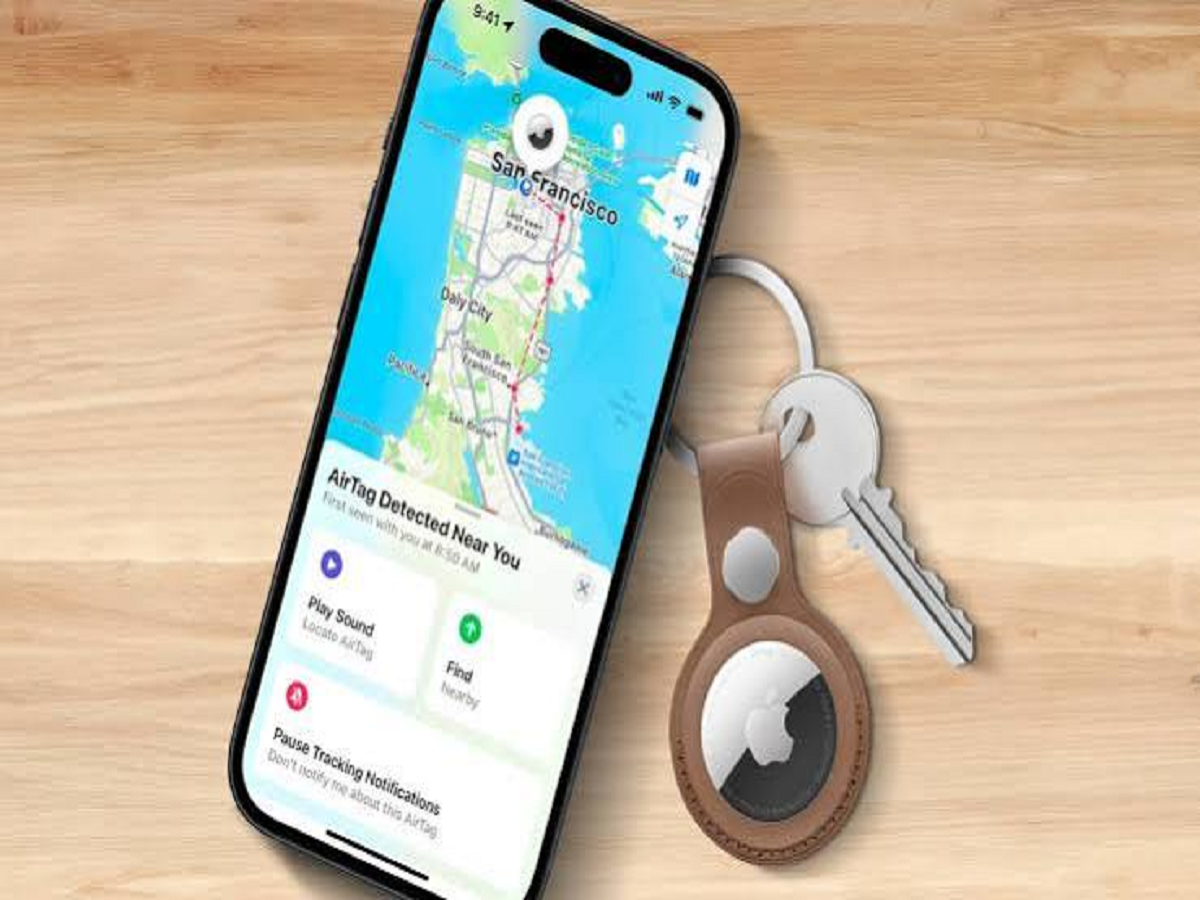
Pixel Tag Takes on Apple's AirTag
Google has also introduced Pixel Tag, a tracking device designed to help users locate personal belongings.
The tracker works with Android devices running Android 9 or later, giving Google's ecosystem a product designed to compete with Apple's AirTag.
For Android users, this could make it easier to keep track of items such as bags, keys and luggage.
Pixel 11 Prices Have Increased
The new Pixel phones are also more expensive than their predecessors in the US market.
The Pixel 11 starts at around $900, while the Pixel 11 Pro and Pixel 11 Pro XL start at approximately $1,100 and $1,300, respectively. The Pixel Pro Fold is priced at around $1,900.
The standard Pixel 11 lineup also starts with 256GB of storage, while Google claims battery life of up to 30 hours on the new phones.
Why This Launch Matters
The Pixel 11 series highlights where the smartphone industry is heading: AI is becoming as important as hardware specifications.
Instead of simply offering more megapixels, faster processors or brighter displays, manufacturers are increasingly trying to make phones understand images, conversations and user behaviour.
With Google pushing Gemini deeper into its hardware and software ecosystem, the Pixel 11 could become an important example of how smartphones are evolving from traditional apps-and-hardware devices into AI-powered personal assistants.