BUSINESS
Government Scheme Update: New Disability Pension Rules Announced, Check Eligibility, Benefits and Important Details
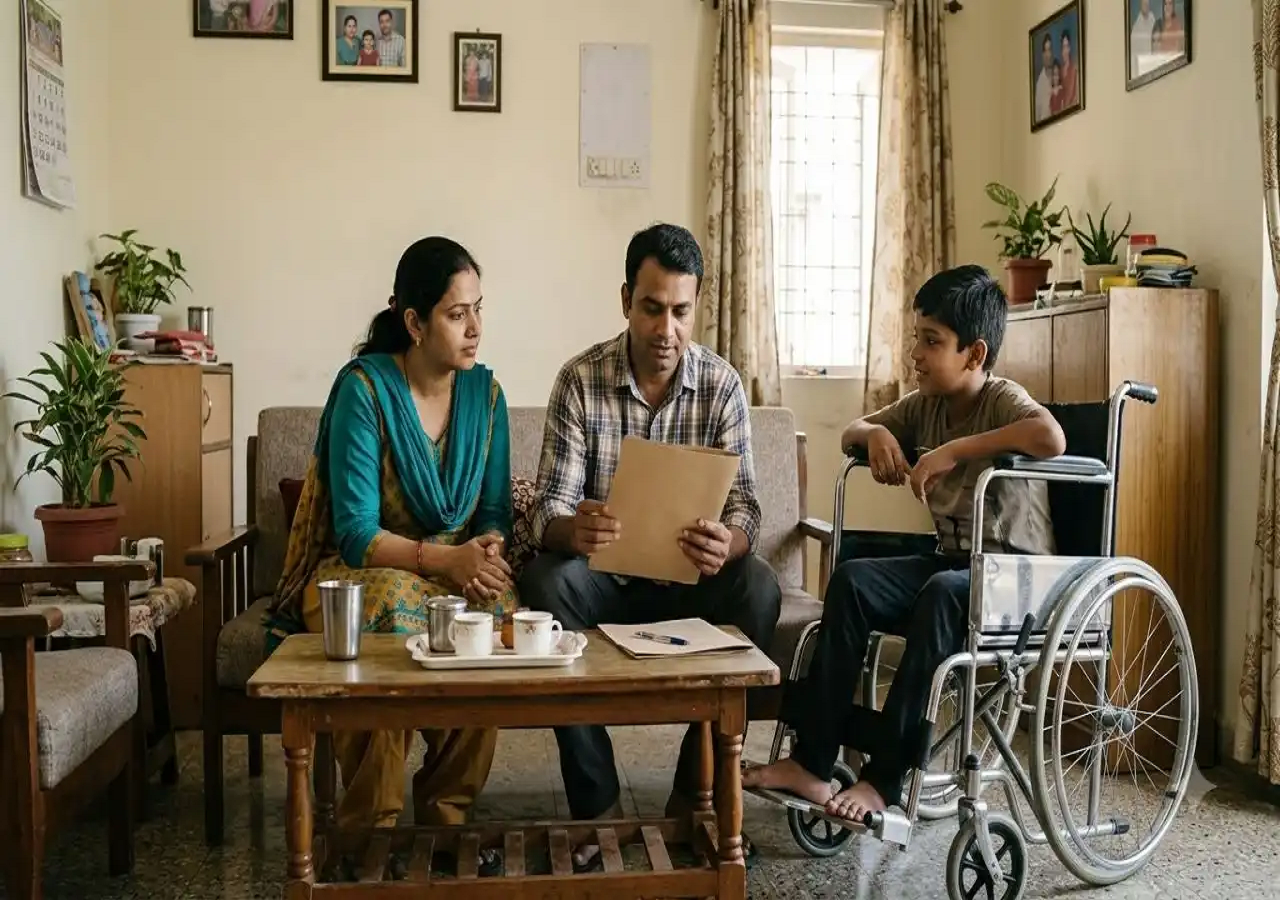
The central government has approved major changes to its social assistance programme, bringing potential relief to persons with disabilities and millions of other vulnerable citizens. On October 14, 2026, the Union Cabinet approved the continuation of the National Social Assistance Programme (NSAP) for five years, from 2026-27 to 2030-31, with a total financial outlay of ₹53,428 crore.
The decision includes changes to disability pension eligibility, revised assistance rates and new names for several pension schemes. According to the government, approximately 3.20 crore beneficiaries across all 36 states and Union Territories are expected to benefit from the continuation of the programme.
What Has Changed Under the Government Scheme?
The Union Cabinet has approved the following key changes:
- Programme renamed: The National Social Assistance Programme will be known as the Pradhan Mantri Samajik Sahayata Yojana.
- Revised disability criteria: The benchmark disability requirement for the central disability pension scheme has been reduced from 80% to 40%.
- Age eligibility revised: The minimum age criterion for disability pension will now apply from birth, subject to the scheme's other eligibility conditions.
- Pension programme extended: The scheme will continue from 2026-27 to 2030-31.
- Financial assistance continued: Existing pension arrangements for elderly people and widows, along with the family benefit scheme, will continue in their existing form.
These changes are intended to extend social assistance to eligible vulnerable households while revising the eligibility rules for disability pensions.
How Much Disability Pension Will Beneficiaries Receive?
Under the approved changes, the central assistance rate for disability pension will be:
| Beneficiary age | Central assistance |
|---|---|
| 0–79 years | ₹375 |
| 80 years and above | ₹625 |
These amounts refer to the central assistance specified under the programme, not necessarily the total pension received by a beneficiary. State governments may provide additional assistance under their own pension schemes.
Beneficiaries should confirm the applicable payment amount and payment frequency with their state or Union Territory's social welfare department.
Who Can Benefit From the Revised Disability Pension Rules?
The revised rules may make the central disability pension scheme accessible to a wider group of persons with disabilities.
Under the announcement, the benchmark disability threshold has been reduced from 80% to 40%. The minimum age criterion will also change to include eligibility from birth, subject to the applicable scheme conditions.
However, meeting the disability threshold alone may not guarantee approval. Applicants must also satisfy the relevant income, social assistance and documentation requirements under the final implementation guidelines.
The government has said that detailed guidelines covering eligibility, beneficiary numbers and assistance rates will be issued and implemented within three months of the approval.
Which Pension Schemes Have Been Renamed?
The government has approved new names for the central social assistance programme and its sub-schemes.
- National Social Assistance Programme (NSAP): Pradhan Mantri Samajik Sahayata Yojana.
- Indira Gandhi National Old Age Pension Scheme: Pradhan Mantri Vridhavastha Pension Yojana.
- Indira Gandhi National Widow Pension Scheme: Pradhan Mantri Vidhawa Pension Yojana.
- Indira Gandhi National Disability Pension Scheme: Pradhan Mantri Divyangjan Pension Yojana.
- National Family Benefit Scheme: Pradhan Mantri Parivar Labh Yojana.
The renaming does not, by itself, mean that every existing beneficiary must submit a fresh application. Beneficiaries should wait for official instructions from their respective state authorities before making changes to their records.
How Can You Check Eligibility and Apply?
People seeking disability, old-age or widow pension assistance can follow these steps to find the applicable scheme and application process.
- Visit the official Government of India's scheme-discovery portal at myScheme.gov.in.
- Enter the requested details, including age, state, income and other relevant information.
- Review the schemes for which you may qualify.
- Check the eligibility criteria and required documents for the relevant pension scheme.
- Follow the application instructions provided by the responsible government department or state portal.
Applicants may be asked to provide identity documents, bank account details, proof of residence, income-related documents and disability certification, depending on the scheme and state requirements.
Important: Because the revised guidelines are still to be issued, applicants should confirm the latest eligibility rules and application arrangements with their state social welfare department before submitting a new application.
What Should Existing Pension Beneficiaries Do?
Existing beneficiaries should continue monitoring official announcements from their state or Union Territory.
- Keep bank account and identity details up to date.
- Ensure that required certificates and beneficiary records are valid.
- Check whether the state government announces any new verification requirements.
- Avoid paying unauthorised agents who promise guaranteed pension approval.
- Do not assume that a new application is necessary solely because the scheme's name has changed.
Where Can You Get Official Information?
For reliable updates, beneficiaries can consult the Government of India's official scheme portal, myScheme.gov.in, or the Ministry of Rural Development's official announcements.
The central government has approved the continuation of the programme, but implementation details for the revised disability pension rules will depend on the official guidelines and state-level arrangements.
Conclusion
The government's decision to continue the social assistance programme with a financial outlay of ₹53,428 crore is an important development for vulnerable households. The reduction in the disability threshold from 80% to 40% could also make the central disability pension scheme accessible to more eligible people.
However, beneficiaries should distinguish between the approved policy changes and the detailed rules that are yet to be implemented. Checking official notifications before applying will help applicants understand their eligibility, the assistance available to them and the steps required to receive benefits.