GRAP Stage 1 Enforced in Delhi-NCR as Air Quality Worsens, Here’s What Changes for Residents
- bySagar
- 20 May, 2026
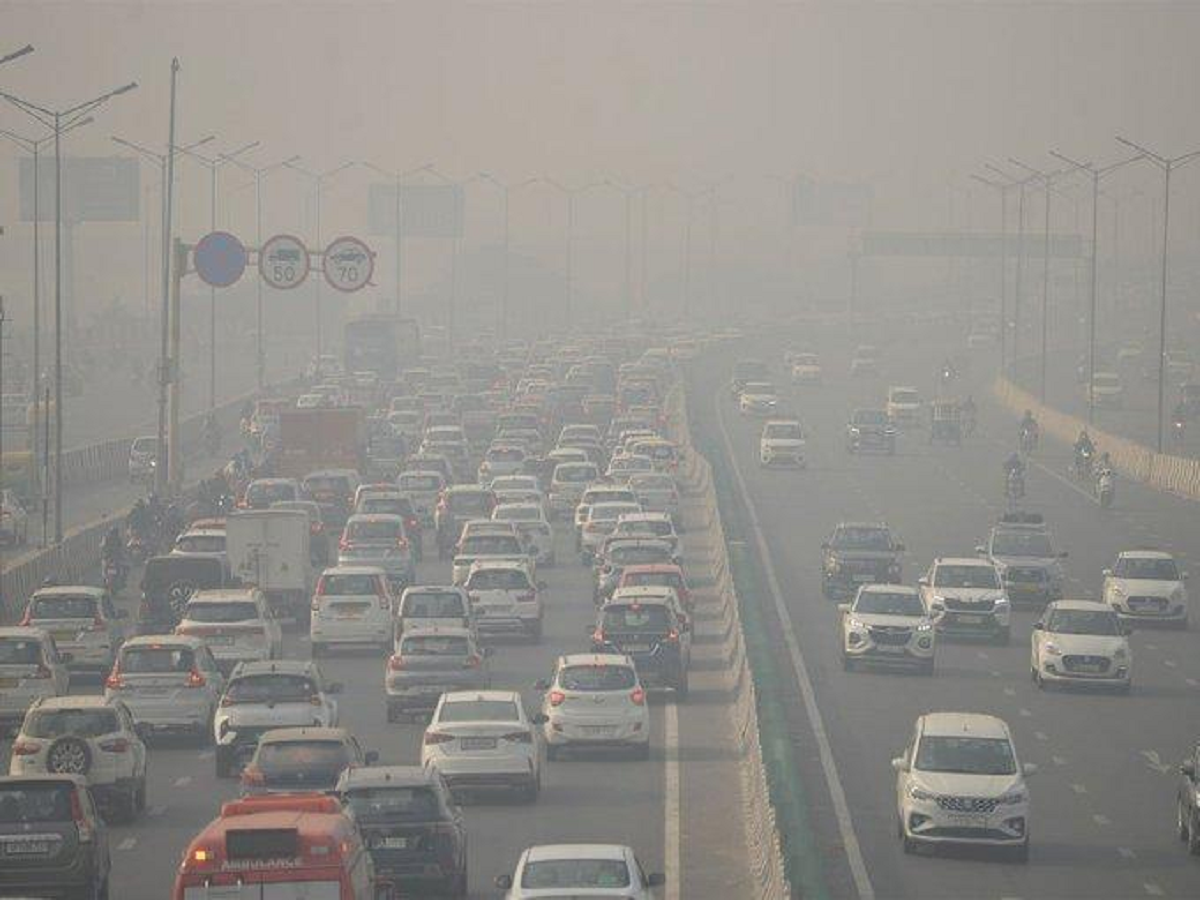
Commission for Air Quality Management has activated Stage 1 of the Graded Response Action Plan across Delhi and the NCR region after air quality levels slipped into the “poor” category.
According to reports, Delhi’s Air Quality Index (AQI) touched 208, prompting authorities to implement anti-pollution measures aimed at preventing further deterioration in air quality.
Officials say stricter monitoring and pollution-control measures will now be enforced across the region.
What Is GRAP?
GRAP stands for Graded Response Action Plan — a step-based emergency framework used in Delhi-NCR to tackle rising pollution levels.
The system activates different stages depending on AQI levels.
GRAP Categories
- GRAP Stage 1: AQI between 201 and 300 (“Poor”)
- GRAP Stage 2: AQI between 301 and 400 (“Very Poor”)
- GRAP Stage 3: AQI between 401 and 500 (“Severe”)
- GRAP Stage 4: AQI above 450 (“Severe Plus”)
Since Delhi’s AQI crossed 200, authorities have now implemented GRAP-1 restrictions.
What Will Change Under GRAP-1?
Several pollution-generating activities will now face tighter regulation across Delhi-NCR.
Restrictions on Coal and Wood Usage
Hotels, restaurants, and roadside food outlets will not be allowed to use:
- Coal-based tandoors
- Wood-fired cooking systems
Instead, they may be required to shift toward:
- LPG
- Electricity
- Cleaner fuel alternatives
Diesel Generator Usage Restricted
Use of diesel generator sets for routine electricity supply may also face restrictions.
Generators may now be allowed only for:
- Emergency purposes
- Essential services
- Critical backup situations
This move is intended to reduce particulate pollution from diesel emissions.
Stricter Rules for Construction Activities
Construction and demolition activities are among the major contributors to dust pollution in Delhi-NCR.
Under GRAP-1, authorities will enforce stricter dust-control norms.
Construction Sites Must Follow Rules Such As
- Covering construction materials
- Using covered transport vehicles
- Preventing dust dispersion
- Following on-site dust management systems
Failure to comply may attract penalties or work stoppages.
Roads to Be Cleaned More Frequently
Authorities are also increasing road-cleaning operations to reduce dust accumulation.
Measures may include:
- Mechanized road sweeping
- Water sprinkling
- Use of anti-smog guns in sensitive areas
The goal is to reduce airborne dust particles, especially in high-traffic zones.
Open Waste Burning Strictly Prohibited
Burning of garbage, dry leaves, or waste materials in open areas will face stricter enforcement under GRAP-1.
Authorities have warned that violators may face penalties for contributing to pollution levels.
Vehicles Under Closer Monitoring
Pollution checks on vehicles are also expected to intensify.
Officials may increase:
- PUC certificate inspections
- Monitoring of polluting vehicles
- Enforcement against emission violations
Vehicles failing pollution norms could face fines or action.
Public Asked to Cooperate
Authorities have appealed to residents to support anti-pollution efforts by adopting cleaner practices.
Citizens Are Being Encouraged To
- Avoid unnecessary vehicle usage
- Use public transport when possible
- Follow traffic and pollution rules
- Report pollution-causing activities
Experts say public cooperation plays a crucial role in preventing pollution levels from worsening further.
Why Delhi-NCR Faces Recurring Air Quality Problems
Delhi-NCR frequently experiences worsening air quality due to a combination of factors including:
- Vehicle emissions
- Construction dust
- Industrial pollution
- Waste burning
- Weather conditions
- Low wind movement
During certain weather patterns, pollutants remain trapped near the surface, causing AQI levels to rise rapidly.
Authorities Monitoring Situation Closely
Environmental agencies and weather experts are continuing to monitor pollution trends closely.
If air quality deteriorates further, stricter stages of GRAP may also be implemented in the coming days.
For now, GRAP-1 measures aim to prevent Delhi-NCR’s air quality from slipping into more severe pollution categories while reducing health risks for residents.