BUSINESS
GST Network Introduces Metro Rail Option in E-Way Bill System! New Digital Update for Businesses and Transporters
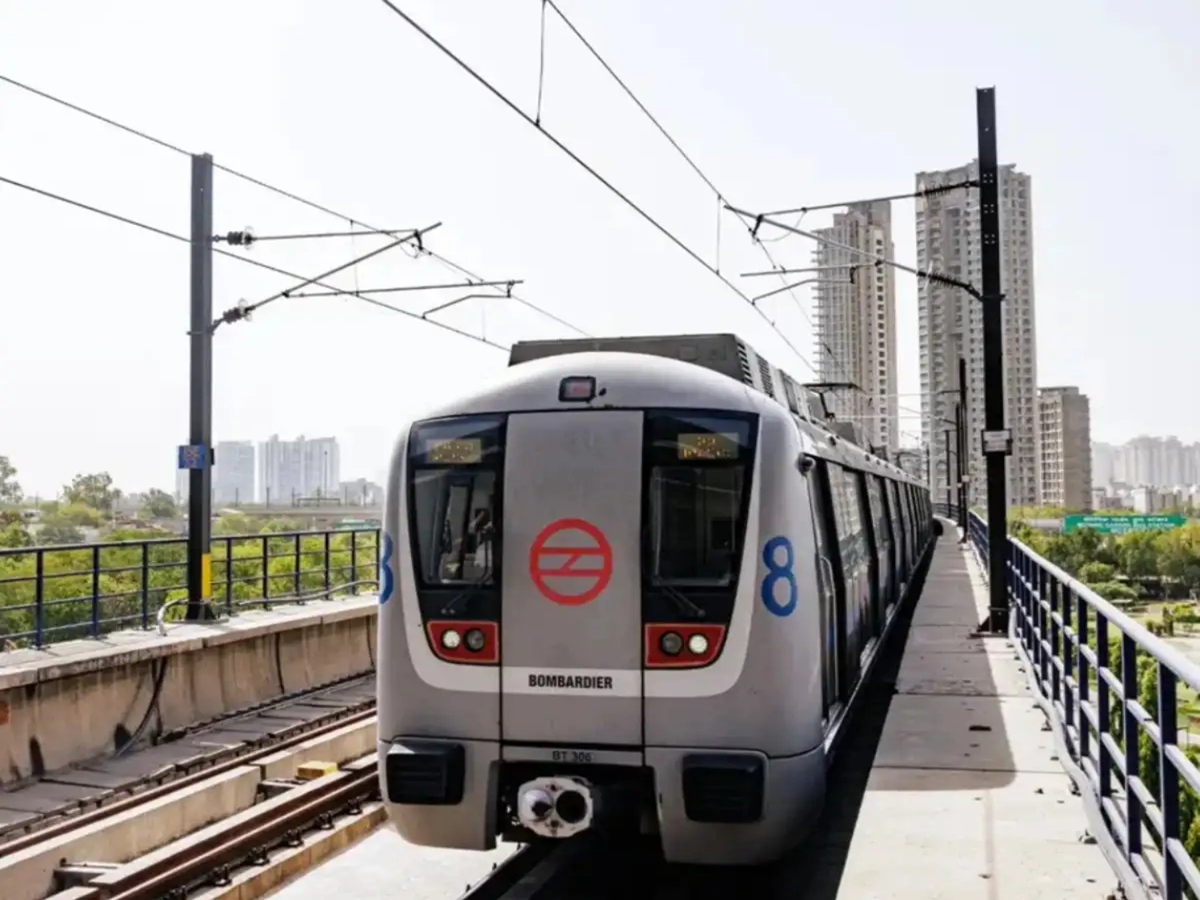
India’s Goods and Services Tax Network (GSTN) has introduced an important technology upgrade to its electronic way bill (e-way bill) system by adding metro rail as a new mode of transportation. The update is expected to make goods movement records more comprehensive and support businesses that use metro networks for transporting consignments.
The development follows a government notification issued on October 26, 2026. With this addition, metro rail becomes the fifth transportation option in the e-way bill system, alongside road, rail, air and waterways.
What Is the New GSTN Update?
The e-way bill system is a digital platform used to record the movement of goods under the GST framework. Until now, users could select road, rail, air or ship as the mode of transportation.
With the latest update, metro rail has also been included as an option.
According to GSTN, the new facility has been made available to web users for generating e-way bills and updating transportation details. Businesses using API-based systems can currently test the feature in the sandbox environment before its full integration into the live API system.
How Will the New Feature Work?
Businesses transporting goods through metro rail will need to select metro rail as their transportation mode while generating or updating an e-way bill.
They will also have to enter the required transport document number.
The new option can be used for:
-
Generating e-way bills.
-
Updating transportation details.
-
Generating consolidated e-way bills.
-
Regenerating consolidated e-way bills.
-
Updating transport information where required.
GSTN has advised API users to make the necessary technical changes and complete testing before the feature is rolled out in the production environment.
Why Is an E-Way Bill Important?
Under GST rules, an e-way bill is generally mandatory for the movement of goods valued at more than ₹50,000, subject to applicable exemptions and specific provisions.
It helps businesses and tax authorities maintain digital records of goods transportation, improving transparency and making compliance easier.
The addition of metro rail is another step towards expanding the system to accommodate different transportation networks.
What Does This Mean for Businesses and Transporters?
The latest update could benefit businesses and logistics operators that use metro rail as part of their goods transportation arrangements.
By providing a dedicated option, the system can record metro-based movement more accurately instead of requiring users to select an alternative transport category.
It also highlights how digital platforms are being updated to keep pace with changes in India's transportation and logistics infrastructure.
India's GST System Continues to Embrace Technology
The GSTN update reflects the growing role of technology in managing taxation and business operations in India.
Digital systems such as e-way bills help reduce paperwork, improve record management and simplify communication between businesses and tax authorities.
As transportation networks evolve, further improvements in digital tax infrastructure could make goods movement and regulatory compliance more efficient.
The inclusion of metro rail may appear to be a small technical change, but it represents an important step towards making India's digital logistics ecosystem more flexible and better connected.