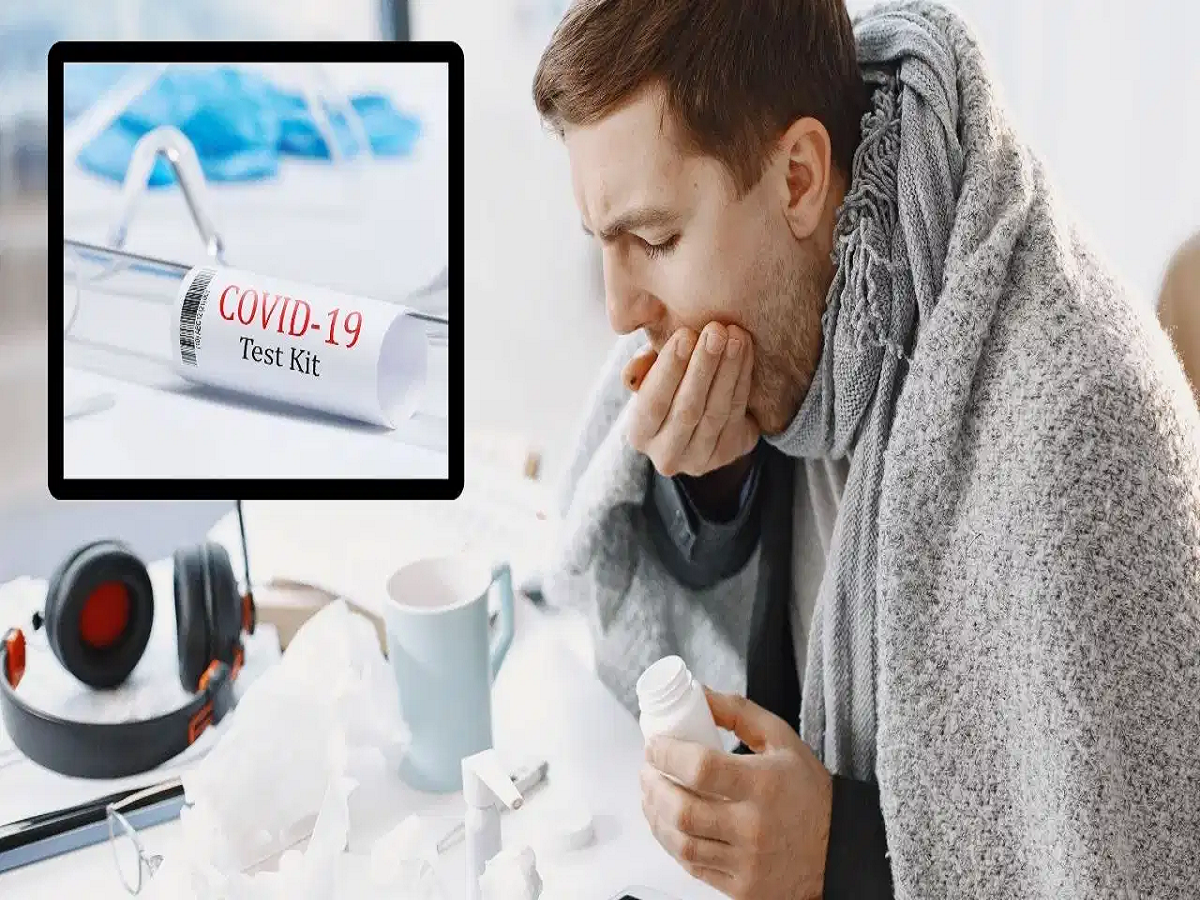
The growing number of H1N1 influenza cases in Delhi has started causing concern among residents. According to the latest reports, the capital recorded 166 new H1N1 cases in just 24 hours, taking the total number of cases to 2,612. At the same time, infections caused by Influenza A are also being reported, taking the combined number of influenza cases to nearly 3,300.
The sudden rise has understandably raised a major question: Could swine flu spread across India on the scale witnessed during the coronavirus pandemic?
Health authorities, however, are asking people not to panic. The Delhi government says the health system is prepared to deal with the situation. Hospitals have arrangements for doctors, nurses, laboratory staff, medicines, oxygen, beds and testing facilities.
Doctors Say H1N1 Should Not Be Compared With COVID-19 Yet
Dr. Vinay Bhatt, Associate Director of Internal Medicine at Yashoda Hospital, explains that H1N1 is an influenza virus and that fluctuations in flu cases can occur periodically.
He says that simply seeing a rise in H1N1 infections does not mean the country is heading toward another COVID-like situation. The virus can spread from an infected person to others, particularly when people remain in close contact for long periods.
Transmission can be more common in crowded locations and enclosed spaces with poor ventilation. As a result, infections can sometimes rise rapidly within a particular city or locality without necessarily indicating a nationwide health emergency.
Who Needs to Be More Careful?
For most healthy people, H1N1 infection is similar to other forms of influenza and symptoms generally improve within a few days. However, some people have a higher risk of developing serious complications.
The higher-risk groups include:
-
Elderly people
-
Young children
-
Pregnant women
-
People suffering from asthma or COPD
-
Individuals with other serious underlying health conditions
In vulnerable patients, influenza can sometimes affect the lungs and lead to complications such as pneumonia.
Don't Ignore These Warning Signs
Flu symptoms should not always be dismissed as something minor. Medical attention becomes particularly important if symptoms become severe or fail to improve.
Persistent fever, an increasingly severe cough, difficulty breathing, chest pain or a decline in oxygen levels are warning signs that require prompt medical evaluation.
People experiencing breathing difficulties should not simply wait at home assuming that the infection will resolve on its own.
Can the Flu Vaccine Provide Protection?
Vaccination can play an important role in reducing the risk associated with influenza. It may be particularly beneficial for people who are more vulnerable to complications.
Doctors may recommend discussing flu vaccination with a healthcare professional, especially for elderly individuals, pregnant women and people with underlying medical conditions.
While vaccination does not guarantee that someone will never catch influenza, it can help reduce the risk of severe illness and complications.
Simple Precautions Can Make a Difference
There is currently no need to take drastic steps because of the increase in H1N1 cases. Basic precautions can still go a long way toward limiting transmission.
If you develop flu-like symptoms, stay home and avoid close contact with others while you are sick. Cover your mouth and nose when coughing or sneezing, wash your hands frequently and maintain good hygiene.
It is particularly important to be cautious around elderly family members and people with serious health conditions, as they may be more vulnerable to complications.
Rising Cases Need Attention, Not Panic
The increase in H1N1 infections in Delhi certainly deserves monitoring, but doctors say there is no reason at present to assume that the situation will turn into another COVID-19-like crisis.
H1N1 is a known influenza virus that can circulate and cause seasonal or periodic increases in infections. The key is to remain alert, follow basic preventive measures and seek medical attention if serious symptoms develop.
For now, the message from health experts is simple: stay cautious, but don't panic.