LIFESTYLE
Hair Transplant Myths Busted: Does Hair Fall Out Again? When Will You See Results? Know the Facts Before Taking the Plunge
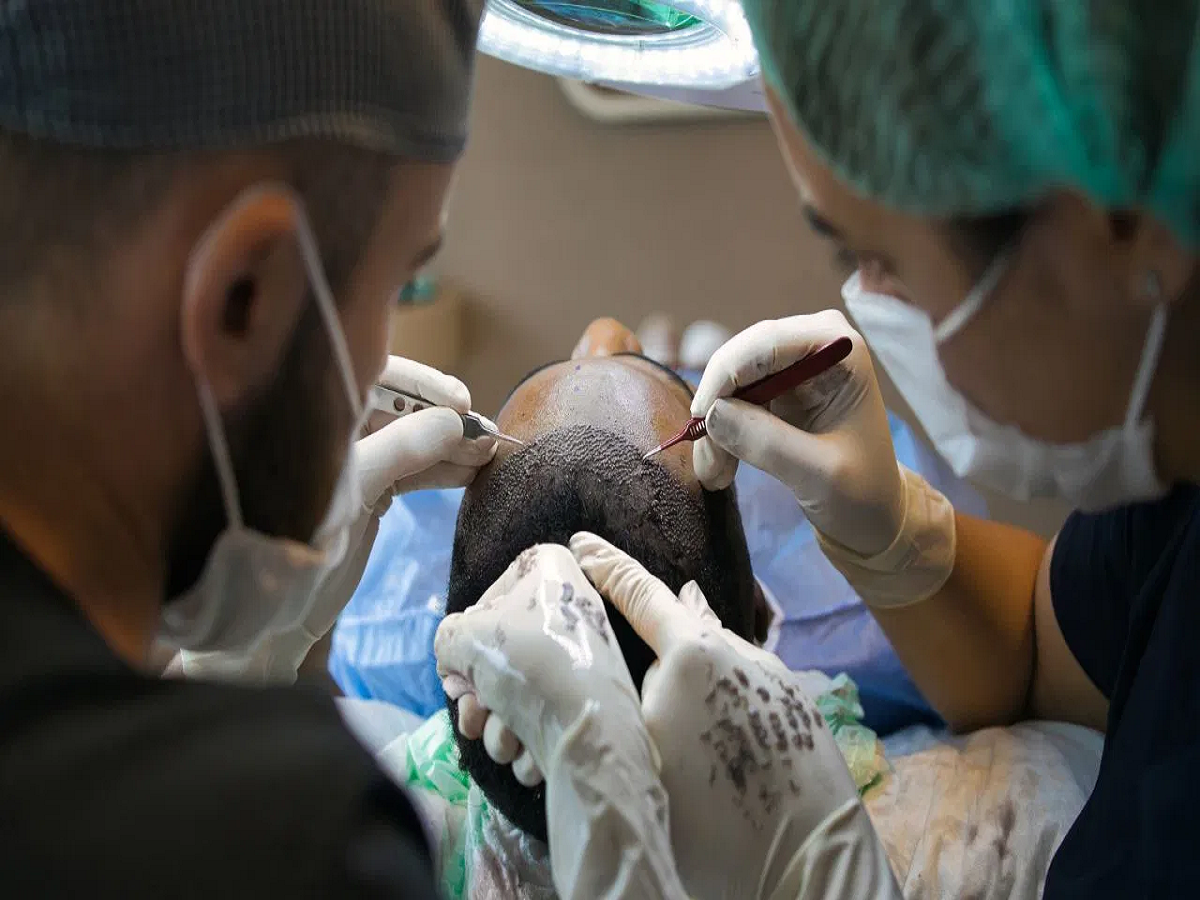
Hair loss at a young age is becoming increasingly common due to genetic factors, hormonal changes, stress, and other aspects of modern lifestyles. As a result, more people are considering hair transplants to restore their hairline and confidence. However, several misconceptions about the procedure continue to create unnecessary fear and unrealistic expectations.
Dermatology experts stress that a hair transplant is a medical procedure, not an instant solution to every hair-loss problem. The right candidate, an experienced surgeon, realistic expectations, and proper aftercare all play an important role in achieving a satisfactory outcome.
Myth 1: Hair Never Falls Out Again After a Transplant
One of the most common beliefs is that a hair transplant permanently eliminates hair loss. While transplanted follicles are generally taken from areas that are more resistant to genetic hair loss, this does not mean all the hair on the scalp is protected forever.
The original, non-transplanted hair may continue to thin or fall out because of genetics, age, and hormonal changes. Some patients may therefore need medication or additional treatment to manage ongoing hair loss. A dermatologist can recommend an appropriate long-term plan based on the individual's condition.
Myth 2: Hair Transplant Surgery Is Extremely Painful
Fear of pain prevents many people from even considering a hair transplant. However, modern techniques, including Follicular Unit Extraction (FUE) and Direct Hair Implantation (DHI), are generally performed under local anaesthesia.
Patients may experience some discomfort during the administration of anaesthesia, but significant pain during the procedure is usually controlled. Mild swelling, tenderness, or discomfort can occur afterwards and generally improves over the following days. Recovery varies from person to person, so patients should follow their surgeon's instructions about returning to normal activities.
Myth 3: Transplanted Hair Becomes Thick Immediately
A hair transplant does not produce a full head of hair overnight. In fact, the transplanted hair shafts often shed during the first few weeks after surgery. This is commonly called post-transplant shedding and is generally a normal part of the process; the transplanted follicles can remain in place and later produce new hair.
New growth often begins around three to four months after the procedure, although the timeline varies. Noticeable improvement develops gradually, and the final cosmetic result may take around nine to 12 months or sometimes longer.
Anyone considering a transplant should be prepared for a gradual transformation rather than expecting immediate thickness.
Myth 4: Anyone Can Get a Hair Transplant
A hair transplant is not suitable for everyone. Doctors first assess the cause and pattern of hair loss, the availability of healthy donor hair, scalp health, age, and the likelihood of future hair thinning.
People with insufficient donor hair or rapidly progressing hair loss may need medical treatment or further evaluation before surgery is considered. In some cases, a transplant may not be the best option at all.
A detailed consultation helps determine whether the procedure is appropriate and how many grafts may be needed. The treatment plan should be tailored to the individual rather than based on someone else's results.
Myth 5: A Hair Transplant Guarantees a Perfect Hairline
Even when the procedure is successful, results vary. Hair density, the direction and angle of implanted follicles, the donor area's quality, healing, and individual hair characteristics all influence the final appearance.
A skilled surgeon plans the hairline according to the patient's facial features, age, and likely future hair loss. An excessively low or unnaturally dense hairline may not look appropriate over time. Patients should discuss realistic expectations with their surgeon before proceeding.
What Should You Know Before Getting a Hair Transplant?
Before making a decision, consider these important points:
-
Consult a qualified dermatologist or appropriately trained hair-transplant surgeon to identify the cause of hair loss.
-
Ask about the surgeon's experience, the proposed technique, possible complications, and expected results.
-
Understand that transplanted hair and existing natural hair may behave differently over time.
-
Follow all pre-procedure and post-procedure instructions, including prescribed medication and scalp-care guidance.
-
Be cautious of clinics promising guaranteed density, instant results, or a perfect hairline.
The Bottom Line
Hair transplantation can be an effective option for suitable candidates, but it is not a miracle cure for every type of hair loss. Results take time, natural hair may continue to thin, and not everyone has enough donor hair to achieve their desired appearance.
The best approach is to understand the procedure, seek an individual medical assessment, and make a decision based on realistic expectations rather than myths or promotional promises.
Disclaimer: This article is for general informational purposes only and is not a substitute for professional medical advice. Consult a qualified medical professional before making decisions about hair-loss treatment or surgery.