LIFESTYLE
High cholesterol: 1 silent warning before a heart attack; never ignore the symptoms visible in the eyes
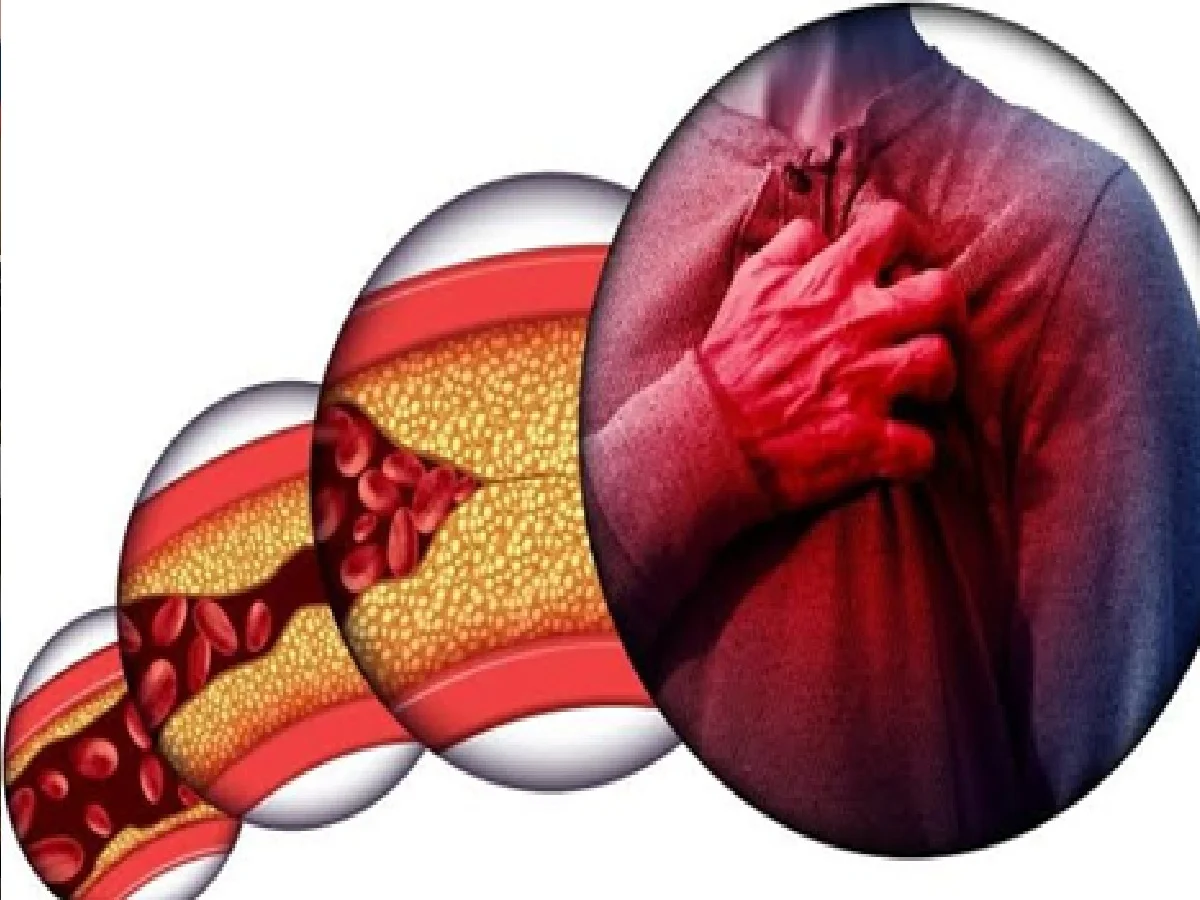
There are many diseases in our bodies that don't show any specific symptoms initially. Therefore, people often ignore them. High cholesterol is one of them. Even when cholesterol levels rise, they don't cause much trouble initially. However, they gradually begin to affect the blood vessels, heart, and brain. This increases the risk of heart attack or stroke.
According to doctors, your eyes can also indicate high cholesterol. Therefore, it's important to recognize certain symptoms early.
Yellow lumps around the eyes:
If you notice small, yellow lumps near the upper or lower eyelids, they could be a sign of high cholesterol. These lumps are called xanthelasma. If you notice such lumps, you should consult a doctor as soon as possible without ignoring them. Sometimes, these lumps can also be a warning sign of serious eye problems.
What should I do to check my cholesterol?
A simple blood test is enough to determine my cholesterol level. After the test, my doctor will explain the results and recommend further treatment or lifestyle changes if needed.
What numbers are important in a cholesterol report? There are generally three types of blood test reports.
Total cholesterol
: This indicates the total cholesterol level in the body. For a healthy individual, this level is generally considered to be less than 5 mmol/L.
HDL stands for good cholesterol.
It is also called good cholesterol. It helps reduce excess cholesterol in the body. A level above 1 mmol/L is considered beneficial.
Non-HDL refers to bad cholesterol.
This type of cholesterol is considered more harmful to the body. It's best to have a level below 4 mmol/L.
Doctors sometimes also use a QRISK score, which is used to predict the risk of a heart attack or circulatory disease within the next ten years.
How does high cholesterol affect the body?
When blood cholesterol levels rise to high levels, a sticky layer of fat called plaque begins to build up inside the blood vessels. This layer gradually thickens and narrows the blood vessels, preventing proper blood flow from the heart to other parts of the body.
If the heart is not adequately supplied with blood, it can lead to chest pain or angina. If the condition becomes severe, the risk of a heart attack increases. Furthermore, blood supply to the brain can be affected, increasing the risk of stroke.
Who is at higher risk of high cholesterol?
Type 2 Diabetes and Obesity
People with diabetes or being overweight are more likely to have high cholesterol.
Wrong diet :
Often eating things containing saturated fat and trans fat increases bad cholesterol in the body.
Lack of physical activity
, not exercising or the habit of sitting all day can also be an important cause of high cholesterol.
Genetic factors:
High cholesterol tends to run in some people's families. Therefore, if this problem runs in the family, it's important to be extra careful.
Age or genetic factors cannot be changed. However, the risk can be reduced by eating a healthy diet and leading an active lifestyle.
What can you do to lower cholesterol?
Even small changes in your diet can make a big difference.
It is also beneficial to choose brown rice instead of white rice, whole grain bread instead of white bread and whole wheat pasta instead of plain pasta.
Instead of eating cakes, biscuits or sweets between meals, make it a habit to eat dry fruits, seeds and fresh fruits.
A little exercise every day is just as important.
Changing your diet alone won't help, but regular physical activity is also essential. Walking, brisk walking, cycling, swimming, or playing any sport of your choice for at least 20 minutes each day is beneficial.
PC: SciTechDaily