BUSINESS
How Did People Prove Identity in the Mughal Era Without Aadhaar or Passports? A Look at Pre-Modern “Citizenship” Systems
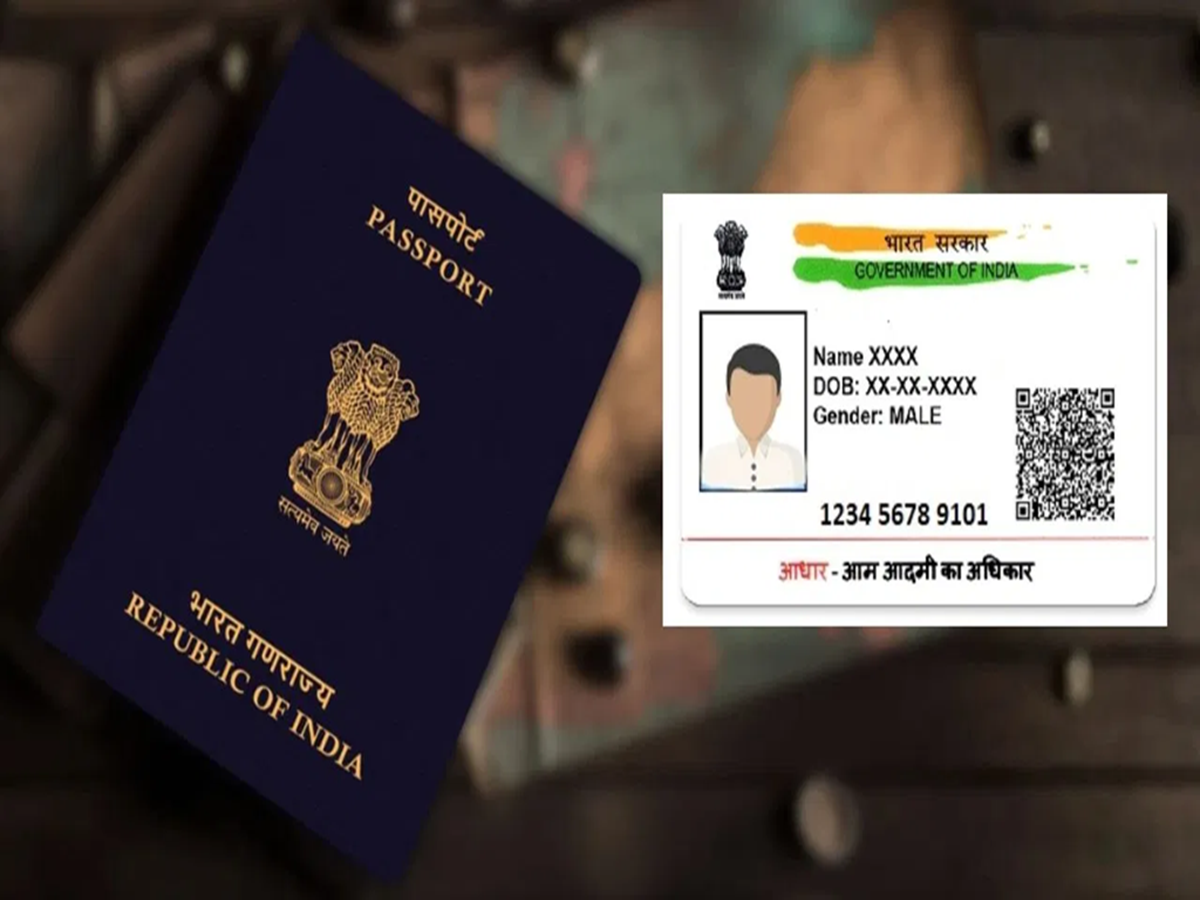
The current debate around passports, Aadhaar cards, and citizenship has raised an interesting historical question: if modern identity documents did not exist in the Mughal era, how did people establish who they were?
The answer lies in an important distinction—the concept of “citizenship” as we understand it today did not exist during the Mughal period. Identity was shaped by social structure, land ownership, community recognition, and administrative records rather than centralized identity documents.
No Concept of Modern Citizenship
During the Mughal era, people did not identify as “citizens” of a nation-state. Instead, they were subjects of a ruler. Identity was closely linked to:
-
Kingdom or empire under which one lived
-
Family lineage and caste or profession
-
Village, locality, or land ownership
-
Tax records and administrative recognition
The modern idea of citizenship linked to legal documentation and nationality is a relatively recent development.
How Identity Was Established in Practice
Even without formal citizenship documents, people were identified through a combination of social and administrative systems.
Social and Community Recognition
Identity was often confirmed through:
-
Family and clan networks
-
Village elders and local headmen
-
Community reputation and occupation
-
Land and settlement records
In most cases, a person’s identity was known locally rather than documented centrally.
Administrative Documents Used in the Mughal Era
While there was no passport or citizenship certificate system, the Mughal administration did issue several official documents for governance, taxation, and control.
Farman
A royal decree issued by the emperor granting orders, rights, or privileges. It carried the imperial seal and was considered highly authoritative.
Sanad
A certificate confirming rights, land grants, or official permissions. It was widely used as legal proof in disputes.
Parwana
A written order granting permissions such as travel, trade, tax exemptions, or administrative approvals.
Patta
A land record used for ownership, taxation, and revenue purposes, maintained by local officials.
These documents were not identity cards in the modern sense, but they helped establish a person’s status, rights, and legitimacy.
Role of Local Officials and Witnesses
Local governance played a key role in identity verification. Officials such as:
-
Kotwal (city administrator)
-
Amil (revenue officer)
-
Village headmen and elders
were often responsible for confirming identity in disputes or administrative matters.
Witness testimony was extremely important. In many cases, oral verification carried as much weight as written documents.
Travel and Movement in the Mughal Period
Internal travel within the empire was generally open. However, for long-distance travel or sensitive regions:
-
Permits or written authorisations could be required
-
Documents issued by officials or the royal court were sometimes necessary
-
In conflict zones or during political instability, scrutiny increased
Still, there was no standardized passport system like today.
What This Means in Today’s Context
The comparison with modern identity systems highlights a key difference:
-
The Mughal system relied on social recognition and administrative records
-
Modern states rely on centralised documentation and legal identity systems
Today’s passports, Aadhaar, and voter IDs serve different purposes, but they are part of a structured national identity framework that did not exist in earlier historical periods.
Conclusion
In the Mughal era, identity was not defined by formal citizenship documents but by a mix of community recognition, land records, and royal administrative papers. The modern idea of citizenship is a product of nation-states and legal documentation systems that evolved much later.
Understanding this difference helps clarify why today’s identity debates cannot be directly mapped onto historical systems of governance.