LIFESTYLE
How Much Sleep Do You Really Need by Age? Right Duration and Key Health Benefits Explained
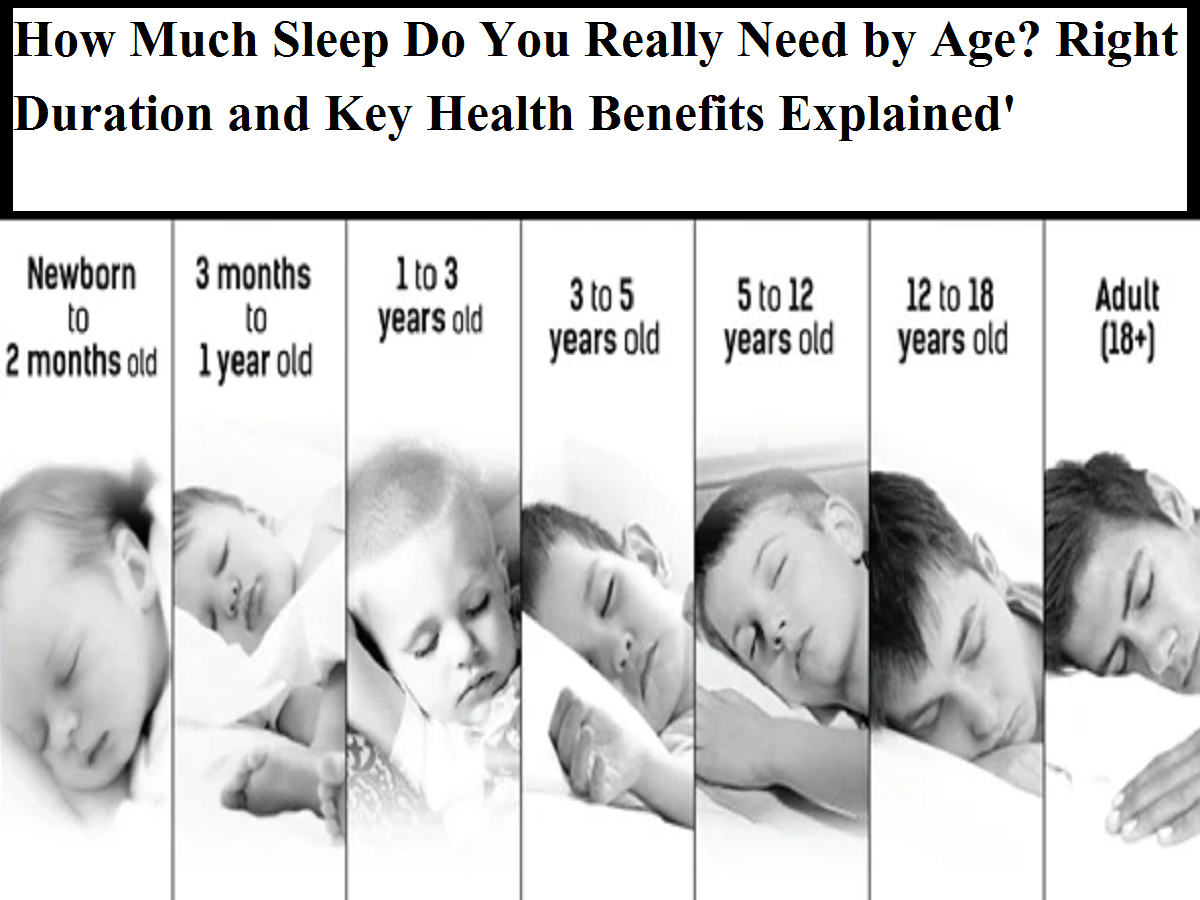
Health Desk: Getting adequate sleep is essential for people of all age groups. According to medical science, proper sleep not only refreshes the body but also plays a vital role in maintaining mental health, reducing stress, and improving brain function. However, the ideal number of sleeping hours varies with age.
In this article, we explain how many hours of sleep are considered healthy for different age groups and why maintaining the right sleep schedule matters.
Why Adequate Sleep Is Important
Quality sleep is one of the pillars of good health. When you sleep well:
-
Your brain processes information more efficiently
-
Stress and anxiety levels remain under control
-
Immunity improves
-
Memory and concentration get better
-
Mood stays stable
On the other hand, chronic sleep deprivation may increase the risk of fatigue, irritability, poor focus, and even long-term health problems.
Recommended Sleep Duration by Age
Below is a medically accepted guideline on how many hours of sleep people in different age groups should aim for.
1. Newborn Babies
Medical experts recommend that newborns should sleep around 14 to 17 hours per day. At this stage, sleep supports rapid physical growth and brain development. Frequent sleep cycles are normal and necessary for infants.
2. Children Aged 3–5 Years
For children between 3 and 5 years, experts suggest 10 to 13 hours of sleep daily. Adequate rest during this period helps support learning ability, emotional stability, and physical development.
3. Children Aged 6–13 Years
According to the National Sleep Foundation, children in the 6 to 13 years age group should ideally get 9 to 11 hours of sleep each night. Proper sleep at this stage strengthens mental performance, improves attention span, and supports healthy growth.
4. Teenagers Aged 14–17 Years
Teenagers should aim for 8 to 10 hours of sleep per night. Experts warn that sleeping less than 7 hours or more than 11 hours regularly is not considered healthy for this age group. Balanced sleep helps maintain hormonal stability, mood balance, and academic performance.
5. Adults Aged 18–64 Years
Adults should get at least 7 to 9 hours of sleep every night. Regularly sleeping less than 6 hours or more than 11 hours may negatively affect health. Adequate sleep in adulthood supports heart health, productivity, emotional balance, and cognitive function.
6. Seniors Aged 65 Years and Above
People aged 65 years and older should aim for 7 to 8 hours of sleep daily. Proper rest helps maintain memory, mental clarity, and overall well-being in older adults.
Signs You May Not Be Getting Enough Sleep
Watch out for these warning signs:
-
Feeling tired even after waking up
-
Difficulty concentrating
-
Frequent mood swings
-
Daytime sleepiness
-
Reduced productivity
If these symptoms persist, improving your sleep routine may help.
Simple Tips for Better Sleep
To maintain healthy sleep habits:
-
Go to bed and wake up at the same time daily
-
Avoid screens at least 30–60 minutes before bedtime
-
Limit caffeine intake in the evening
-
Keep your bedroom quiet, dark, and cool
-
Exercise regularly but not right before bed
Sleep needs change with age, but one thing remains constant — quality sleep is essential for overall health. Following age-appropriate sleep guidelines can boost mental sharpness, emotional stability, and physical well-being. If you frequently struggle with sleep, consider consulting a healthcare professional.
Prioritizing good sleep today can significantly improve your long-term health and daily performance.