LIFESTYLE
How to Grow Sunflower at Home: Easy Balcony Gardening Guide for Sunlight, Water and Fertilizer
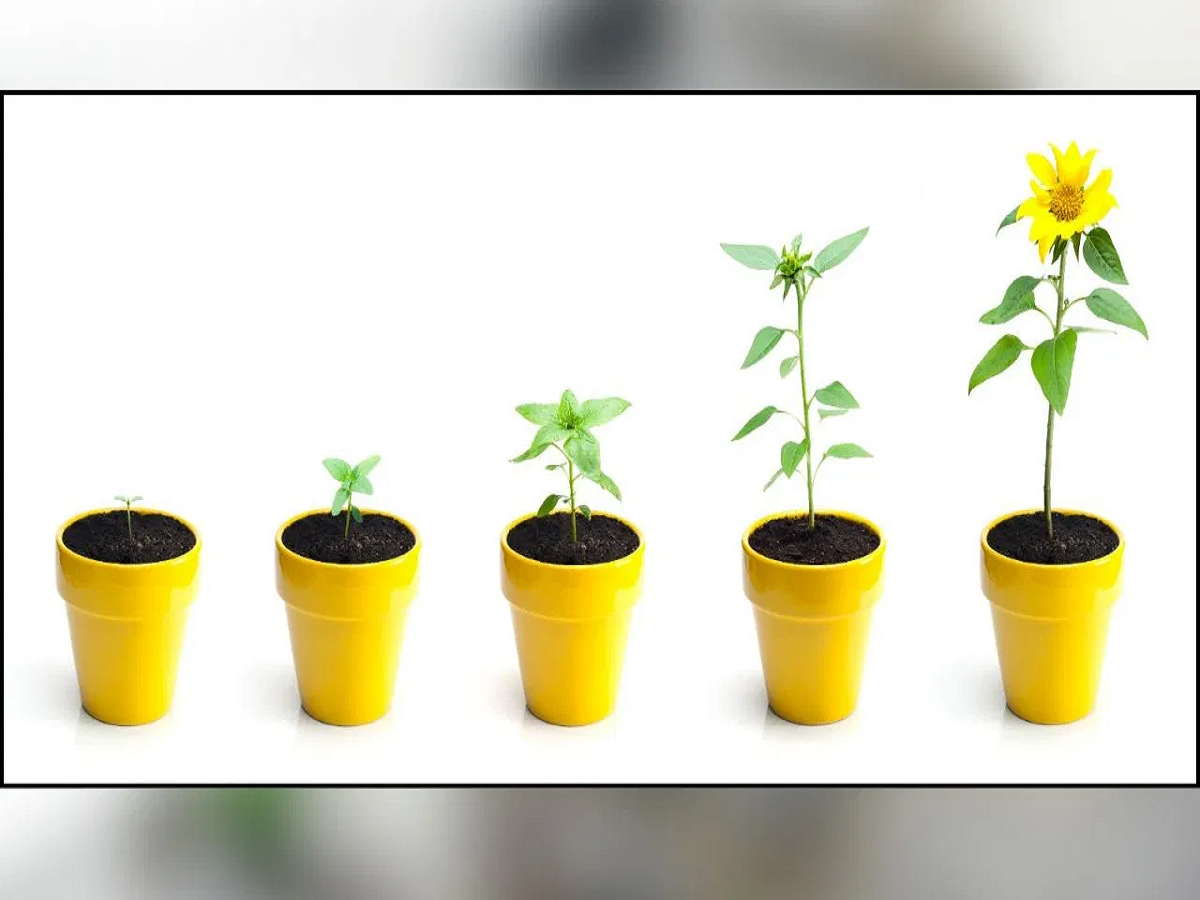
Living in a city often means limited space for gardening, which is why balcony and container gardening has become so popular. With the right care, you can easily grow beautiful flowers in pots—and sunflowers are a perfect choice. Their bright yellow blooms instantly add charm and positivity to any balcony or terrace. The good news is that sunflowers grow well in containers if their basic needs are met.
Sunflowers love sunlight and grow quickly, but improper watering or unsuitable soil can affect their health. Here’s a complete, easy-to-follow guide on how to grow sunflowers in your balcony, covering the best season, pot selection, sunlight, watering, and fertilization.
Best Time to Plant Sunflowers
The ideal time to sow sunflower seeds is when the weather is mild—neither too cold nor too wet. Spring (February to March) and early summer (before June) are considered the best seasons. During this period, temperatures between 20°C and 30°C support healthy germination and growth. Extremely cold weather can slow sprouting, while excessive rain may lead to root rot.
How to Grow Sunflowers in a Pot
Choose a pot that is at least 12 to 16 inches deep, as sunflowers develop long roots. Make sure the pot has proper drainage holes at the bottom.
Prepare a well-draining soil mix using:
-
50% garden soil
-
30% compost
-
20% sand or cocopeat
Sow the sunflower seeds about 1 inch deep into the soil. Do not overcrowd—limit the number of seeds to one or two per pot. After planting, water lightly to keep the soil moist.
Sunlight Requirement
Sunflowers thrive in bright sunlight and need around 6 to 8 hours of direct sun daily. Place the pot in a spot where it receives sunlight from morning to afternoon. Insufficient light can result in weak stems and smaller flowers. Rotate the pot occasionally so the plant grows straight and doesn’t lean toward one side.
Correct Watering Method
Sunflowers prefer evenly moist soil but do not tolerate waterlogging. Water the plant when the top 1–2 inches of soil feel dry. During summer, daily or alternate-day watering may be required, while in winter the frequency can be reduced.
Ensure excess water drains out completely. Avoid wetting the leaves frequently—focus on watering the soil near the roots to prevent fungal issues.
Fertilizer: When and How to Use
Since sunflowers grow rapidly, they benefit from regular feeding. Apply fertilizer for the first time about 15–20 days after sowing. After that, fertilize every 20–25 days.
Organic options work best, such as:
-
Well-rotted cow dung
-
Vermicompost
-
Homemade kitchen compost
When the plant is about to bloom, you can add phosphorus-rich organic supplements like bone meal to promote healthy flowers. Avoid chemical fertilizers, as they may lead to excessive leaf growth but fewer blooms.