ENTERTAINMENT
IFFK 2025: Central Government Bans Screening of 19 Films, Filmmakers and Audiences Express Outrage
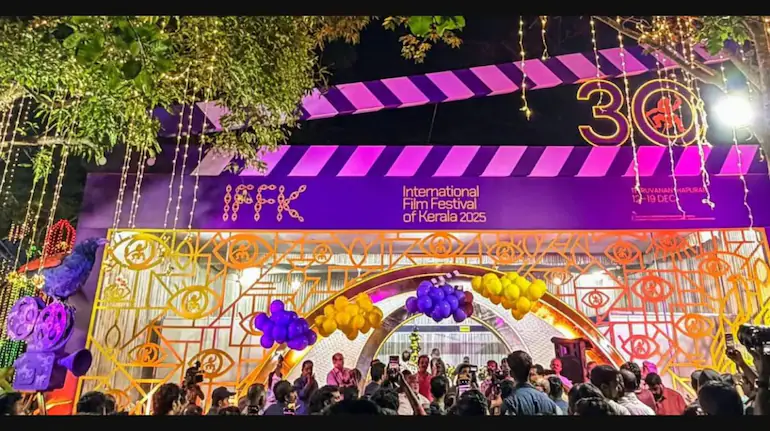
The International Film Festival of Kerala (IFFK) 2025, held in Thiruvananthapuram, has been embroiled in controversy after the Ministry of Information and Broadcasting abruptly banned the screening of 19 films. The decision has surprised festival organizers, filmmakers, and audiences alike, disrupting the event’s schedule and sparking widespread dissatisfaction.
Festival Details and the Ban
The festival, held from 12 to 19 December 2025, attracted thousands of film enthusiasts as usual. However, the sudden government directive created significant gaps in the screening schedule. Many of the films banned were international or politically sensitive. Some notable films affected include:
-
Palestine 36 (the festival’s opening film, already screened)
-
Yes
-
Once Upon a Time in Gaza
-
All That’s Left of You
-
Spanish film Beef
-
A Poet: Unconcealed Poetry
-
Bamako
-
Sergei Eisenstein’s 1925 classic Battleship Potemkin
-
Clash, Eagles of the Republic, Heart of the Wolf, Red Rain, Riverstone, The Hour of the Furnaces, Tunnels: Sun in the Dark, Flames, Timbuktu, Wajib, and Santosh
Some of these films, such as Bamako, had previously been shown at Indian festivals. The inclusion of Beef triggered political controversy, further fueling the debate.
Reaction from Filmmakers
Filmmakers have strongly criticized the move, calling it a direct attack on freedom of expression and artistic liberty. Several directors and delegates described the ban as “unfair and unconstitutional.” They emphasized that film festivals are meant to celebrate diversity and ideas, and such restrictions undermine that purpose.
Audience Response
Audience disappointment is evident, with many expressing frustration on social media, stating that the festival now feels incomplete. Organizers face a significant challenge in managing gaps in the screening schedule caused by the abrupt bans.
The IFFK 2025 controversy has reignited discussions on censorship, creative freedom, and the role of government oversight in art and culture.