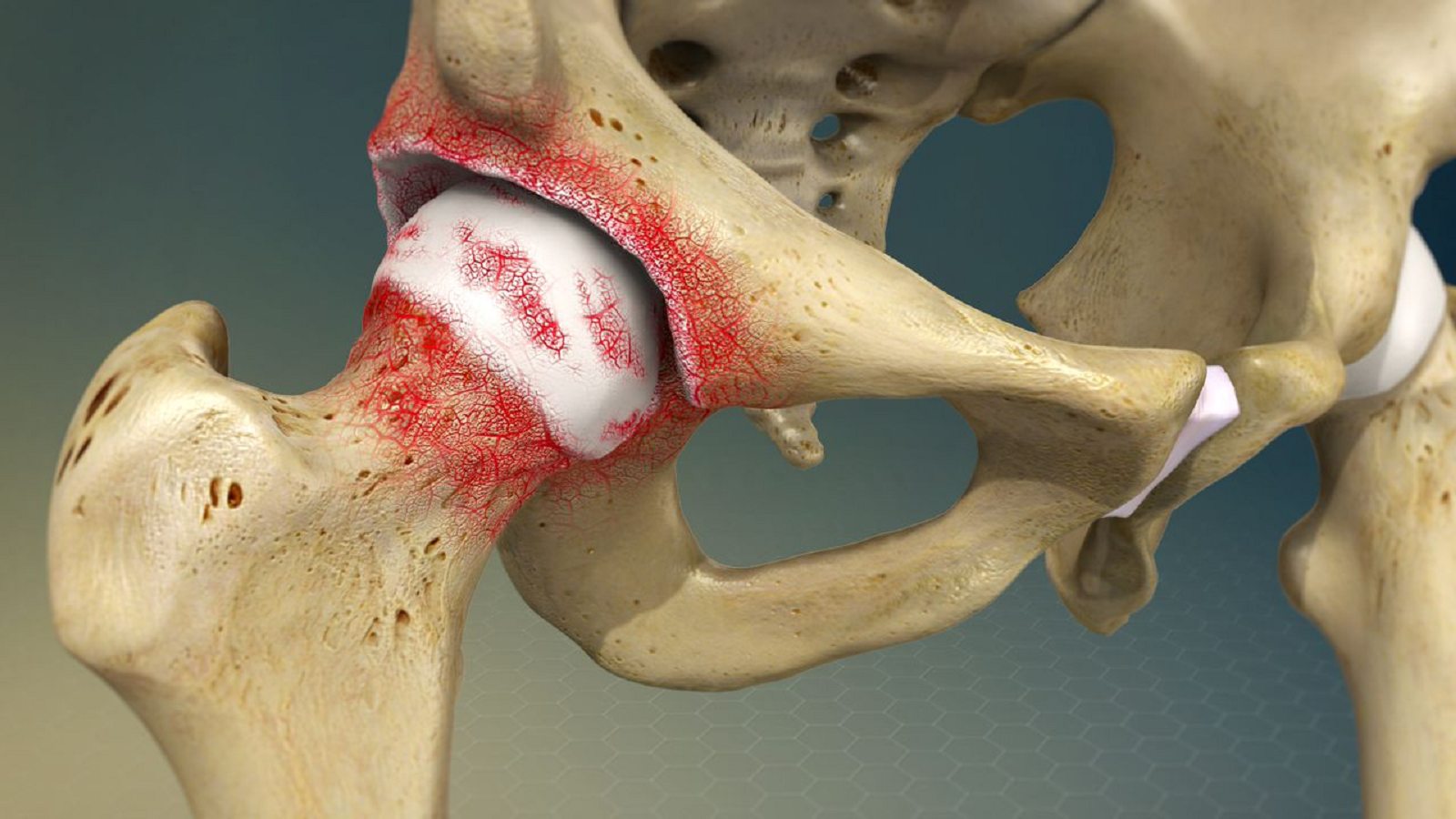
Cases of hip bone weakening are rising rapidly, even among younger people, due to multiple factors. Aging contributes to bone loss, but lifestyle changes such as prolonged sitting, lack of physical activity, and inadequate exposure to sunlight play major roles. Obesity and excessive consumption of junk food deprive the body of essential nutrients like calcium and vitamin D, which are crucial for bone strength. Hormonal imbalances and chronic illnesses like osteoporosis further exacerbate this issue.
Experts highlight that sedentary work, reliance on instant and unhealthy foods, and diminishing outdoor activities reduce bone density. Weight gain places additional stress on hip joints, increasing susceptibility to pain and weakening. Injuries from sports or accidents and diseases like arthritis or transient osteoporosis also contribute to compromised hip health.
Prevention involves adopting an active lifestyle with regular exercise, walking, yoga, and stretching. Consuming a diet rich in calcium, protein, and vitamin D supports bone regeneration. Additionally, spending 15-20 minutes daily in sunlight aids vitamin D synthesis essential for calcium absorption. Managing weight and maintaining proper posture also help reduce undue stress on hips and prevent weakening.
Early diagnosis and treatment of hip pain or discomfort are important to prevent worsening. Maintaining overall bone health requires balanced nutrition, physical activity, and avoiding prolonged sedentary habits.