TECH
India Launches Its First Indigenous 1.0 GHz Microprocessor ‘Dhruv64’, Set to Power 5G and Critical Infrastructure
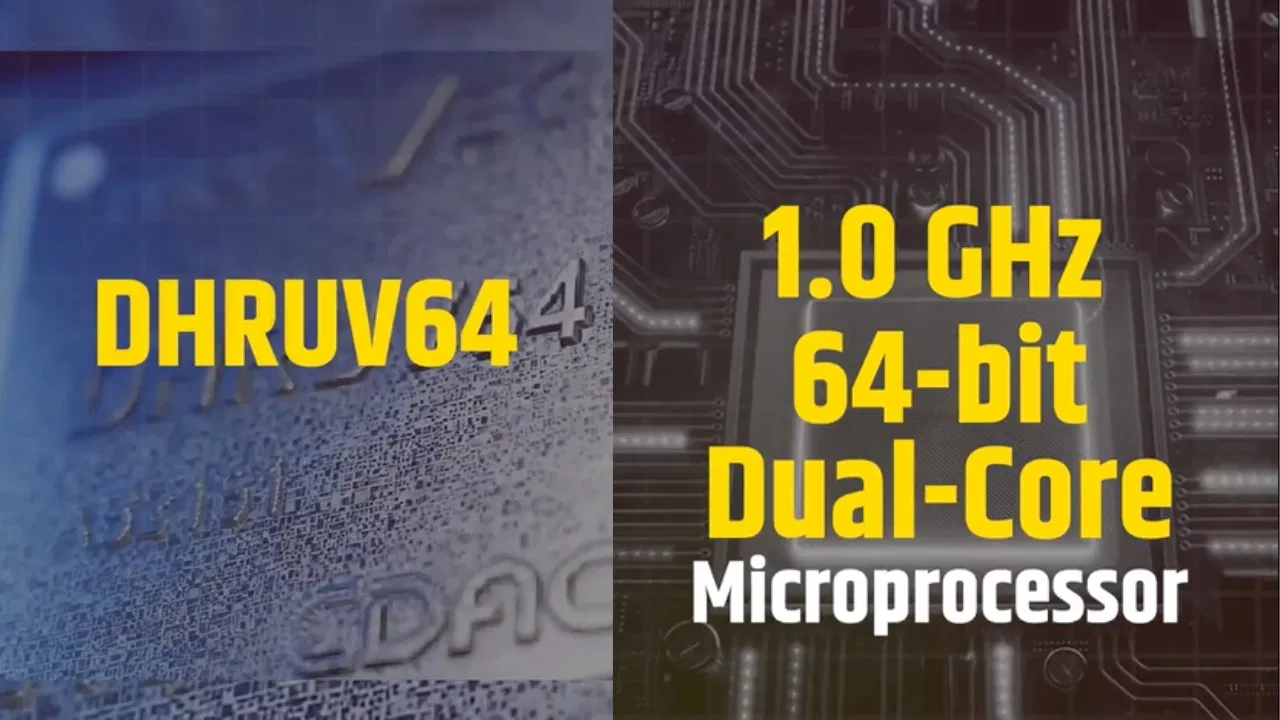
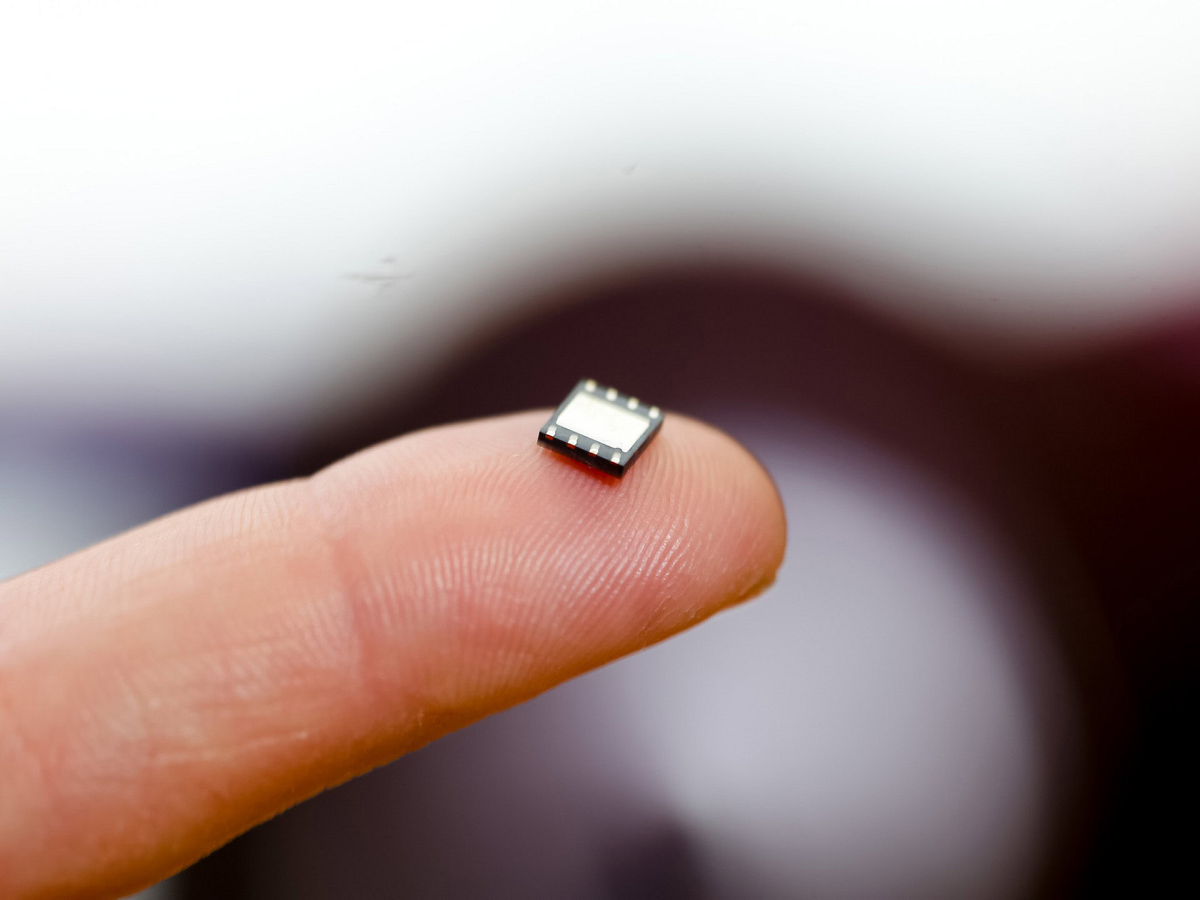
India has marked a major breakthrough in the semiconductor sector with the launch of its first indigenously developed 1.0 GHz, 64-bit dual-core microprocessor ‘Dhruv64’. The new chip is expected to significantly reduce India’s dependence on foreign processors, especially in sensitive areas such as defence, critical infrastructure, and high-performance computing. It can also be deployed in 5G network infrastructure, strengthening India’s strategic and technological capabilities.
What is Dhruv64 and who developed it?
Dhruv64 has been developed by the Centre for Development of Advanced Computing (C-DAC) under India’s indigenous microprocessor development programme. The processor is a key outcome of government initiatives such as Digital India RISC-V, which focus on promoting home-grown chip design and prototyping.
According to the Press Information Bureau (PIB), Dhruv64 is a fully indigenous processor, designed and developed in India without foreign core dependencies.
Why is Dhruv64 important for defence and critical sectors?
The PIB states that Dhruv64 is suitable for use in defence systems, critical infrastructure, and high-performance computing applications. India consumes nearly 20 percent of the world’s microprocessors, making import dependence a strategic concern.
With Dhruv64, India now has a domestic alternative that can be used by:
-
Defence and strategic agencies
-
Startups and private industry
-
Academic and research institutions
This move strengthens supply-chain security and reduces vulnerability to geopolitical restrictions.
Benefits of the 64-bit architecture
The 64-bit dual-core design combined with a 1.0 GHz clock speed makes Dhruv64 significantly more powerful than earlier indigenous processors. It can support a wide range of applications, including:
-
Embedded and industrial systems
-
Secure computing platforms
-
Advanced networking and 5G infrastructure
Its modern architecture enables better performance, improved security, and higher efficiency, while allowing India to tailor hardware solutions to its own strategic needs.
What comes after Dhruv64?
Following the successful launch of Dhruv64, India is already working on next-generation processors ‘Dhanush’ and ‘Dhanush+’, which are expected to offer even higher performance and wider applications.
The debut of Dhruv64 comes just months after ISRO’s Vikram 32-bit chip, highlighting the rapid pace at which India’s semiconductor ecosystem is evolving.